









































Adele Suyder Poston
Submitted by: Carolyn Cathey Castelli {Researching this Veteran for my hospital and part of my nursing history research}
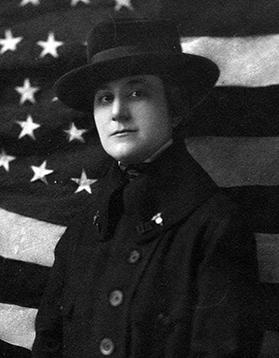
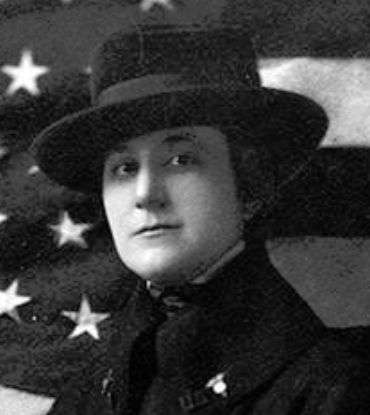 Adele Suyder Poston born around 1884. Adele Poston served in World War 1 with the United States Army. The enlistment was in 1918 and the service was completed in 1919.
Story of Service
As Directress of Nurses at Bloomingdale Psychiatric Hospital in White Plains, NY, Poston joined the American Red Cross as a volunteer in 1917. She was among those "called to the colors" from Bloomingdale Hospital in White Plains, New York, to become the Chief Nurse, Army Nurse Corps, for Base Hospital 117 in La Fauche, France.
She described this position as "the greatest challenge" of her psychiatric nursing career. The nurses, nursing aides, doctors, and occupational therapy aides at the hospital treated shell-shocked soldiers and those suffering from war neurosis. This base hospital, established under the direction of Thomas Salmon, MD, was the first psychiatric hospital to be relatively close (about 30 miles) from the front lines of a war. Poston said she could hear the sounds of battle--the "big Bertha's"--at the hospital, in a letter she wrote from France to Bloomingdale Hospital's Medical Director, Dr. William Russell.
For her service she was one of twenty-three American nurses awarded the Distinguished Service Medal in 1926. The citation reads:
"The President of the United States of America, authorized by Act of Congress, July 9, 1918, takes pleasure in presenting the Army Distinguished Service Medal to Chief Nurse Adele S. Poston, United States Army Nurse Corps, for exceptionally meritorious and distinguished services to the Government of the United States, in a duty of great responsibility during World War I. As Chief Nurse of Base Hospital No. 117 (Psychiatric Unit), at La Fauche, France, during the World War, Chief Nurse Poston performed very difficult and exacting duties with marked skill and distinction. By her professional efficiency, untiring energy, and tact, she made a large contribution to the success of this novel and highly important hospital of the American Expeditionary Forces."