































First Mainer lost in WWI a painful memory of a century ago
By Donald Zillman
via the Portland Press Herald web site
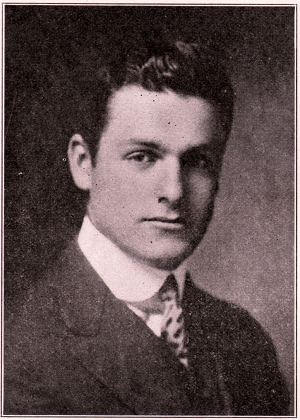 Harold T. Andrews of Portland, MaineOn Nov. 30, 1917, Cpl. Harold T. Andrews of Portland became the first Mainer in the American Expeditionary Forces to die in combat in World War I. This son of a prominent Portland educator died when his engineering unit was called into combat to fight a German offensive on the Cambrai front in France.
America had entered the war in April 1917. A month later, young Andrews volunteered and joined a New York-based engineering unit. American engineers were badly needed to improve a French railroad system that was woefully inadequate and badly needed for moving incoming American troops from French coastal ports to the inland battlefields.
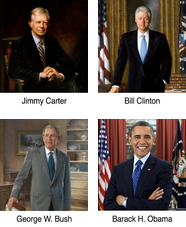
Harold Andrews reflected service by “the best” of young Americans in the war. That included both volunteers like Andrews and thousands of draftees who followed him. By the Armistice on Nov. 11, 1918, America included among its military deaths the immediate past mayor of New York City, one of the leading members of the House of Representatives, one of the outstanding collegiate athletes of his year and the son of former President Theodore Roosevelt. A present analogy might be to imagine the death in the Iraq and Afghanistan wars of Rep. Paul Ryan, one of several young big-city mayors who were being considered future presidential prospects, one of the Bush or Obama daughters, or a Trump son and a recent Heisman Trophy winner.
At the time of Andrews’ death, the world war was not going well for America and its allies. Earlier news in November 1917 reported that Germany had effectively won the war on the Eastern front and that former ally Russia was drifting into anarchy and civil war. Ally Italy was faced with German and Austrian invading forces. France had changed its civilian leadership after 18 months of horrific losses and a mutiny of some of its troops. German submarines still threatened to cut food supplies to Great Britain. America was becoming aware of what it meant to declare war on Germany, often described in congressional debate as the “most powerful military nation in history.” While few American leaders spoke of it publicly, few of them did not wonder: “Have we joined too late?”
The next 12 months would answer that question. It would see America rising to numerous challenges that it had never, or rarely, faced before. Among those were how to raise an army, how to fight as part of a major alliance, what financial assistance to give to those allies, how to pay for those costs and what other sacrifices civilians would have to make. It also had to deal with serious issues that did not arise from the war but were influenced by it such as votes for women, race conflicts, prohibition of alcohol, labor-management relations and treatment of immigrants.
Read the entire article on the Portland Press Herald web site here:
External Web Site Notice: This page contains information directly presented from an external source. The terms and conditions of this page may not be the same as those of this website. Click here to read the full disclaimer notice for external web sites. Thank you.