
































One Hundred Years Ago: New York City Bids Farewell to the Doughboys
By Edward Lengel
via the edwardlengel.com web site
By the time German forces launched Operation Michael on the Western Front on March 21, 1918, only six full American divisions had arrived in France. Desperate to ramp up the American contribution as fast as possible, AEF Commander General John J. Pershing and French Generalissimo Ferdinand Foch agreed to increase the tempo of troop shipments across the Atlantic Ocean. It was time to send in the draftees of the so-called. The first of these divisions departed New York City one hundred years ago: the 77th “Metropolitans” and the 82nd “All-Americans”. 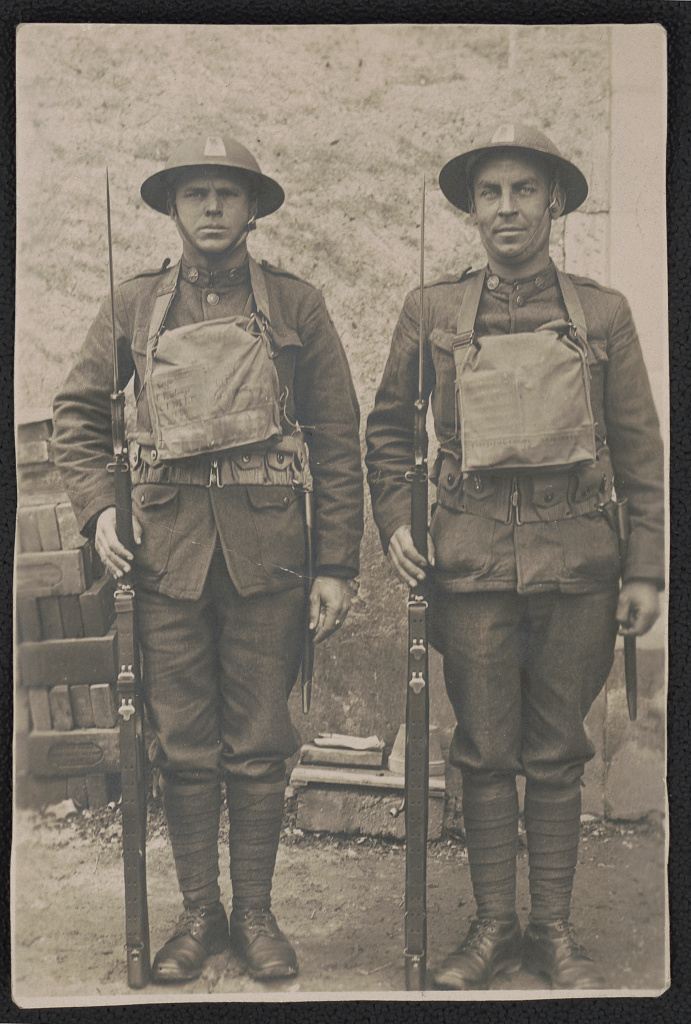 Soldiers of the 77th Division, circa 1918. Library of Congress Prints and Photographs Division.
The Metropolitans
The 77th Division had been training at Camp Upton on Long Island since the previous fall, until the Doughboys thought that maybe they would never get to go overseas. After all, many critics had publicly questioned whether the Metropolitans were reliable: they had been drafted into service, after all, and many of them were first or second-generation immigrants. They called themselves Americans now—but were they?
Orders to prepare for shipment overseas finally arrived at the beginning of March 1918. The first to go were the machine gun battalions and supply and support personnel. Next would come the infantry.
Captains Charles Whittlesey and George McMurtry, future Medal of Honor recipients of the famed “Lost Battalion,” must have nursed bittersweet feelings as they packed their belongings.
On March 12, their 308th Regiment had proudly opened a theater. Housed in a brand new frame building on a concrete foundation, the theater was the only one in camp and had cost $10,000. The money had been raised from a show that they had recently put on in New York City’s Hippodrome.
The 308th Regiment’s theater was like a little Hippodrome of its own, accommodating 1,500 men with a stage, movie theater, gymnasium and dressing rooms. Opening day featured eight boxing bouts thanks to the efforts of Lightweight Boxing Champion Benny Leonard, along with a movie and vaudeville routines. But now they would have to let it all go.
At the beginning of April, after just a few more shows, the men were put on 36-hour notice. Doughboys wrote letters home, packed their bags, and stripped the barracks of all their remaining amenities. From now on they would sleep on freezing cold concrete floors until it was time to depart. On the evening of April 5, the men of the 308th Regiment including Whittlesey and McMurtry, held a torchlight procession replete with drums and bugles to serenade the divisional commander and his staff.
Read the entire article on the edwardlengel.com web site here:
External Web Site Notice: This page contains information directly presented from an external source. The terms and conditions of this page may not be the same as those of this website. Click here to read the full disclaimer notice for external web sites. Thank you.