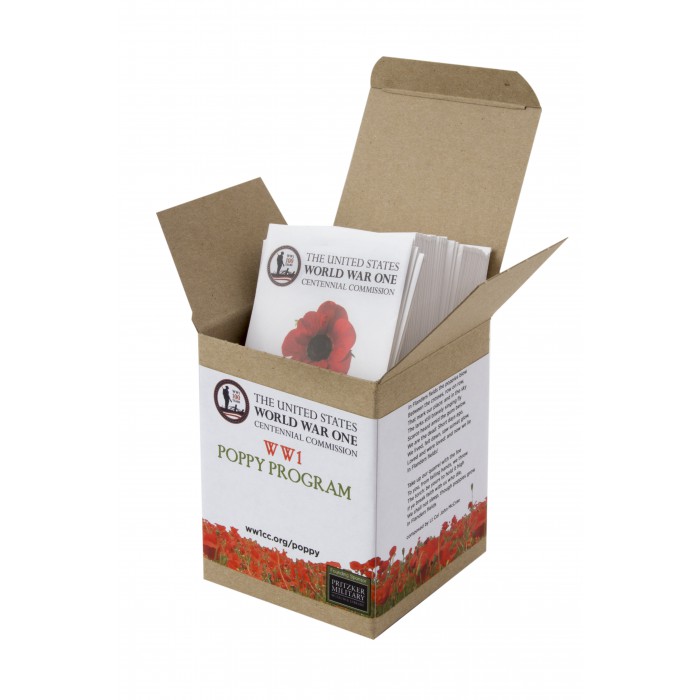



































Successful Historical Awareness Programs from the Junior Master Gardener Program
By Chris Isleib
Director of Public Affairs, United States World War One Centennial Commission
Our friends at the Junior Master Gardener Program have been making amazing inroads in the teaching of young people about history, and toward the honoring of our nation''s veterans. They have integrated these seemingly separate topics onto the world of gardening for their young members, with remarkable results. We wanted to find out how they succeeded with this special effort, so we spoke to Lisa Whittlesey, Program Director of the Junior Master Gardener Program, to hear more.
The Junior Master Gardener Program has been making great strides in honoring our veterans -- and teaching people about World War I. Tell us about your various activities -- the poppy seed sales, the Teaching History Through Gardening, the lessons in how to grow poppies -- and why, etc.
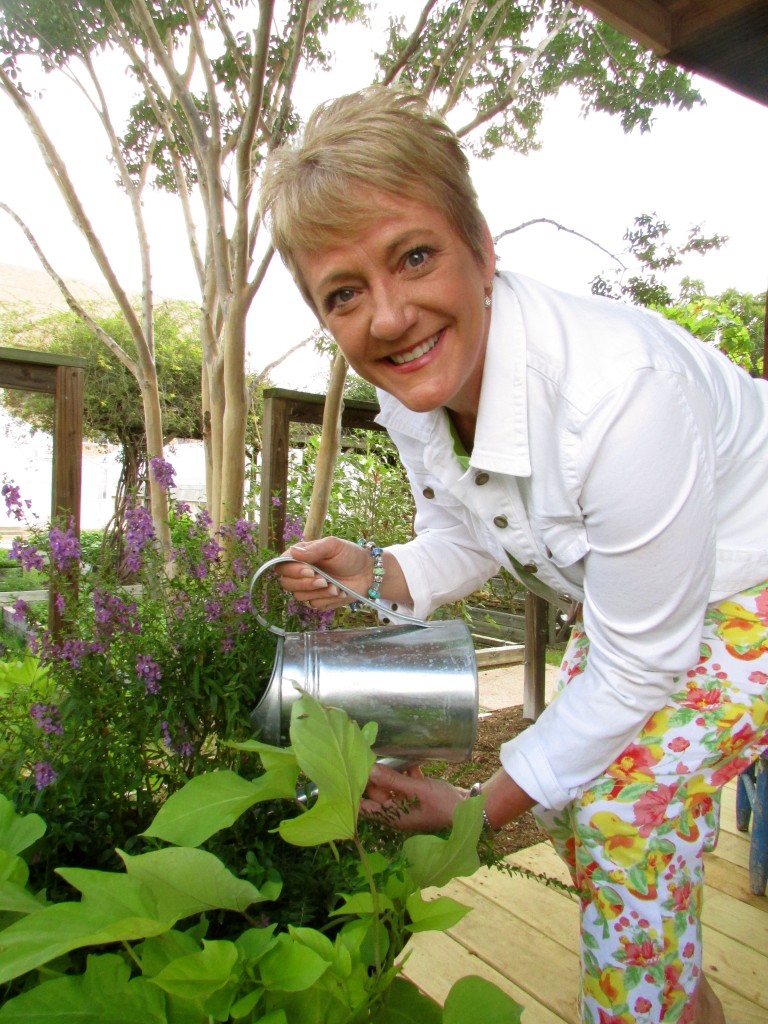 Lisa WhittleseyThe JMG program is proud to be working with the WW1 Centennial to honor veterans. For many children, they may not be familiar with WW1, so this project has been an opportunity to educate children on the historical significance of this war. Through this project we have shared opportunity for groups to sell poppy to support the building of the WW1 Memorial, while also raising funds to support gardening in their local schools and community.
Additionally, we have pulled together resources www.jmgkids.us/poppy that teachers and youth leaders can utilize when teaching about WW1, significance of poppies, but more importantly how kids can be involved with honoring veterans in their local communities.
Recently we shared the poppy project with our friends at www.kidsgardening.org. They had a feature article about the poppy sale fundraising program, historical gardens and other resources that youth educators could use to support local youth gardening programs in their May 2018 newsletter. This is a timely resource as many families and groups can use this for Memorial Day activities and events.
"Teaching History Through Gardening" is very innovative. How does that program work? Do you teach several different historical periods this way? What do the gardeners learn?
Gardening is something that is so naturally rooted in history. Colonists planted gardens for food but also to provide a sense of familiarity for their native culture. Many cultures have distinct plants, food crops and gardening techniques that can be taught through the garden. Through the JMG program we try to connect historical connections through sharing about Thomas Jefferson, George Washington Carver, Norman Borlaug, and others that have made a significant impact through their gardening and agricultural research.
How have your young people responded to these programs? What feedback have they provided?
The JMG website and social media channels are a way for local groups and youth to share their experiences. We encourage groups to post and share experiences that they have had in the local community with their JMG programs.
What recommendations do you have for people who want to grow poppies?
Through collaborations with our friends at www.kidsgardening.org there is a wonderful link that can be shared for folks to learn more about specifics on growing poppies, significance of the red poppy for WW1, and how youth programs can get involved with the JMG WW1 Poppy Project.
Click here for more information on the U.S. World War One Centennial Commission Poppy Program.