





























Will the Great War ever end?
By Joel P. Engardio
via the San Francisco Examiner newspaper web site
Fake news, global warming, deadly flu outbreaks, chemical weapons attacks in Syria and presidents for life in China and Russia.
With all the challenges we face in the world today, why is a commission created by Congress trying to build a $40 million memorial to World War I?
Because today’s great grandchildren are still fighting it.
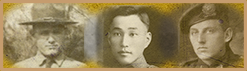
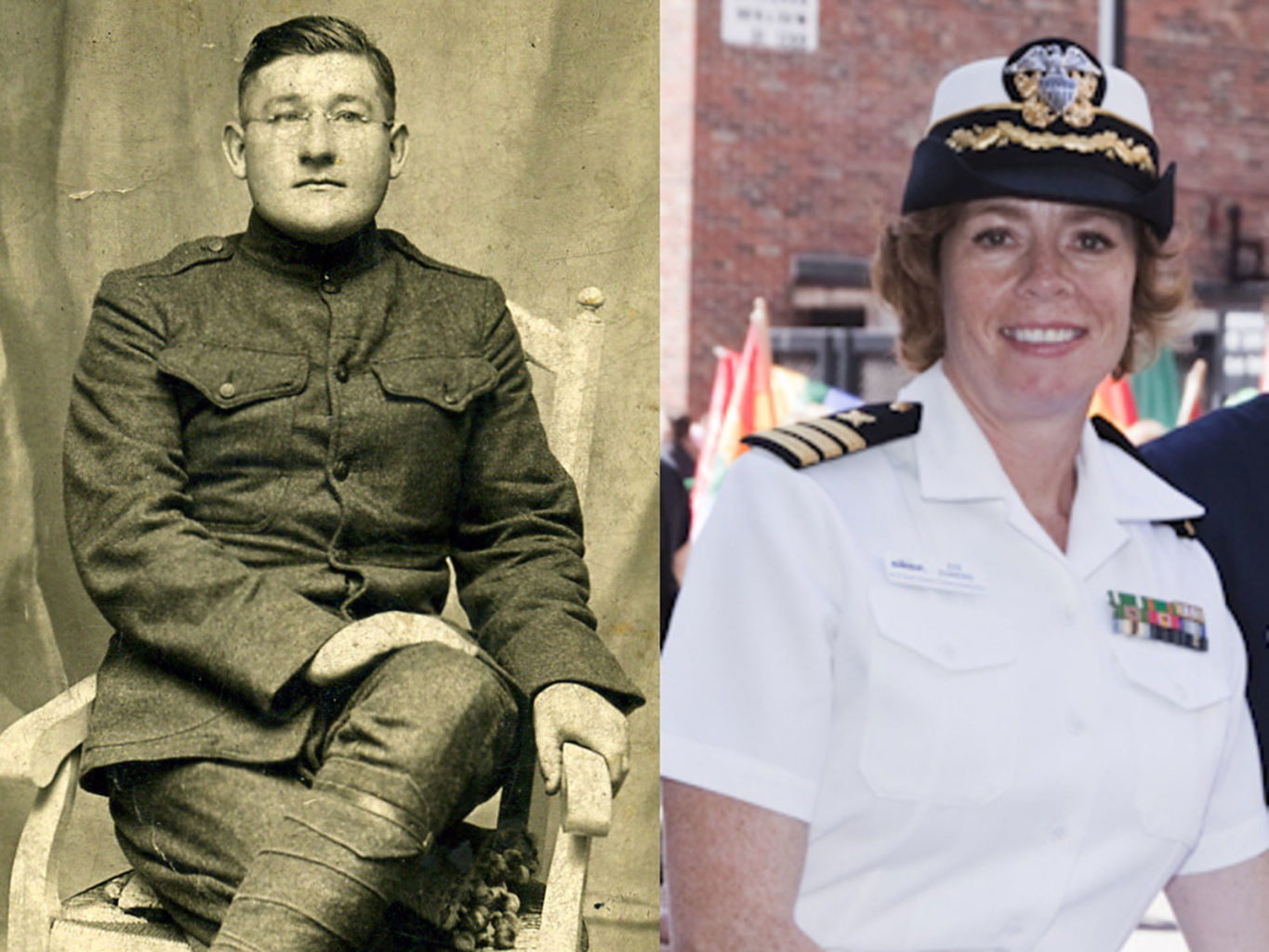 World War I veteran Wilford Sheltraw and retired U.S. Navy Commander Zoe Dunning served a century apart, but the Great War connects them. (Left: Joel Engardio/Special to S.F. Examiner; Right: Courtesy Zoe Dunning)How so? The answer is etched in stone outside the National Archives in Washington, D.C, a half-mile from the planned memorial: “What is Past is Prologue.”
World War I, fought from 1914 to 1918, was the genesis of many issues we worry about today: mass media propaganda, global dependence on oil, pandemic disease, chemical weapons of mass destruction, Middle East conflict, the rise of China and Russia.
Once called the Great War for a scale of death and ruin never seen before, World War II went further and is better known. Yet, World War I should be remembered as the war that changed the world.
“[It] created a completely different world order,” said Monique Brouillet Seefried, a member of the U.S. World War I Centennial Commission, in a blog post. “The conflict zones of today, in the Balkans, Ukraine, the Middle East and the South China seas are direct consequences of World War I.”
The way we live was also forever altered. Among the things invented, improved or popularized during World War I: Pilates, plastic surgery, blood transfusions, canned food, condoms, daylight savings time, aviation, jazz, psychotherapy, trench coats, wristwatches, Wall Street, the verb “binge.”
Instead of a high-profile spot on the National Mall, the World War I memorial is planned for the run-down and long-neglected Pershing Park. This underscores how it has become a forgotten war.
The last combat veteran died in 2011, but we must remember why they fought. Understanding what happened in World War I can save lives today.
Read the entire article on the San Francisco Examiner web site here:
External Web Site Notice: This page contains information directly presented from an external source. The terms and conditions of this page may not be the same as those of this website. Click here to read the full disclaimer notice for external web sites. Thank you.