


































Meuse-Argonne Offensive: Sacrifice and triumph against all odds
By Frederic W. “Fritz” Knaak
via the Star Tribune Newspaper (MN) web site
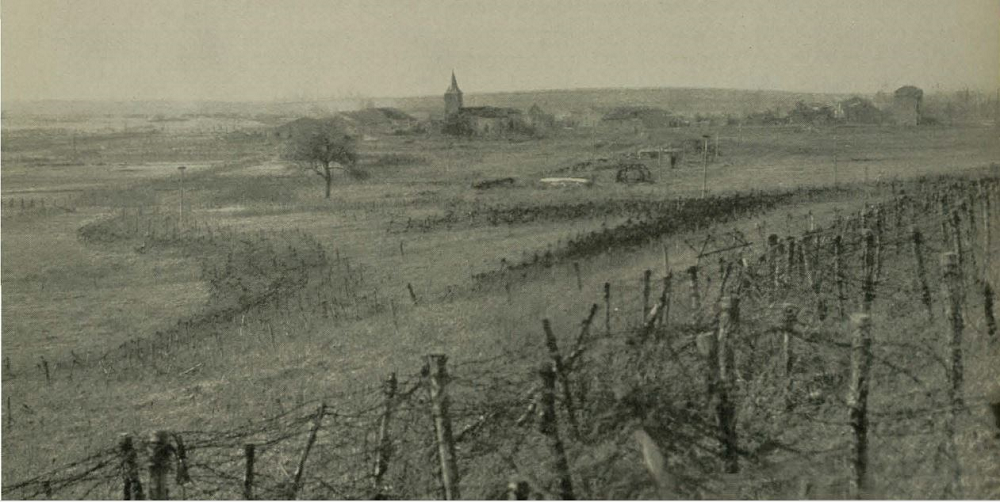
The bone-chilling fog still drifts between the clusters of woods and farm fields that 100 years ago were soaked with over a month of seemingly endless rain. To walk on these fields then was to go ankle- to knee-deep in a limey, greasy mud that got into everything. It never got quite cold enough to freeze the ground or the rain, which would have been blessed relief. It was, in the words of one who experienced it, a “pluperfect Hell.”
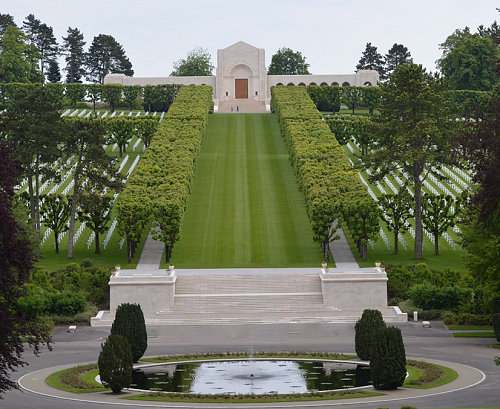 Meuse-Argonne American Cemetery in France.It is now the location of the largest American burial ground outside of the United States, the Meuse-Argonne cemetery just outside the small village of Romagne sous Monfaucon in France. Originally, there were more than 26,000 Americans buried there. Reinterments back to the States, mostly in the 1920s, dropped the number down to under 15,000, but the effect of this serene, meticulously maintained place is stunning and somber for anyone who sees it.
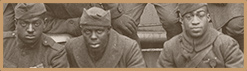
Even if Americans seem to have forgotten it, almost every day it is visited by young French students who research the names on the white crosses and stars and remember. It remains the source of wonder and awe to them that all of these men came all the way across the sea to fight for, and die for, French freedom. America’s first African-American Medal of Honor recipient is buried there, as are several others.
In 1918, Romagne was ground zero, the central objective of an American attack through what were considered by both the German and the French to be an impenetrable, deep defensive sector, miles deep, between the Argonne Forest and the Meuse River. There was reason for the German focus on defense here: Just to the north, in Sedan, were critical railroad junctions that were essential to supplying the entire German front in France.
Capture of Sedan would mean the collapse of the entire front. The French had spent four years trying to move back the Germans in this sector. In most places, what progress they had made could be measured in a few yards. Elsewhere, the gains were all German.
The Americans, under Gen. John J. Pershing, had a new, large, mostly very green army that had now been assigned this seemingly impossible task. The French and British, it seems, thought the Americans might keep the Germans occupied on this key flank while they pushed forward with their own offensives farther to the west.
What ensued was the Meuse-Argonne Offensive, which remains to this day the largest battle ever fought by the American Army.
Read the entire article on the StarTribune web site here:
External Web Site Notice: This page contains information directly presented from an external source. The terms and conditions of this page may not be the same as those of this website. Click here to read the full disclaimer notice for external web sites. Thank you.