





























From the World War I Centennial News Podcast
Gold Star Mothers: An Interview with Candy Martin
 In December 14th's WW1 Centennial News Podcast, Episode 101, host Theo Mayer spoke with Candy Martin, past National President of the American Gold Star Mothers, about the history and mission of this special organization- especially as it relates to the War That Changed the World. The following is a transcript of the interview, edited for clarity:
Theo Mayer: Candy Martin, welcome back and thanks for joining us again. Candy, first off would you please refresh our audience's recollection about the mission of the American Gold Star Mothers organization?
Candy Martin: American Gold Star Mothers has a mission with a heart. It's a mission of service to veterans and their families. And we'd like to say that we continue the service that our fallen sons and daughters never got to finish. So it's really special to me knowing that there are other veterans, other families out there who are maybe a little bit more comfortable, because there's Gold Star Mothers out there who truly have a heart and care.
Theo Mayer: Candy, let's talk about the Gold Star pilgrimage of the 1930s. What was it? Who participated? Who organized it?
Candy Martin: 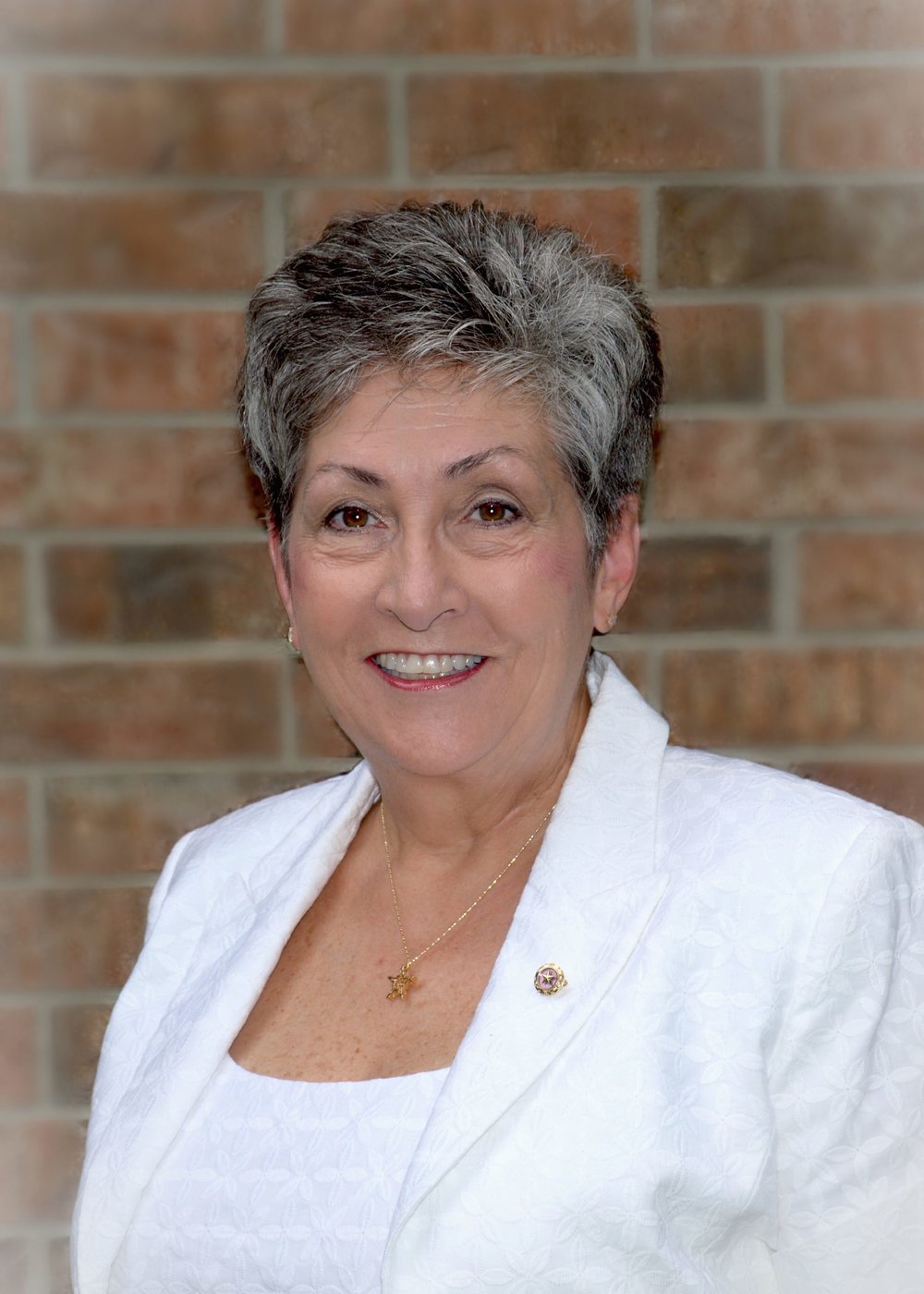 Candy Martin is the most recent former National President of American Gold Star Mothers, Inc. The Gold Star pilgrimage was a result of a Congressional act that was passed in 1929, and it was designed to take the mothers and the un-remarried widows of those have had lost their lives in service in World War I, the Great War, and they took them to the cemeteries over in France. France was primarily the big one, but there was also a national cemetery where we laid ours to rest in England. And they took those young mothers and the young widows, and they took them across in a ship, just visit the grave of their loved ones who had been buried on foreign soil. Originally when it came about in 1929, of course shortly after that is when the stock market fell, and we had the Great Depression. But the federal government still was true to its word in making sure that all of those mothers and those widows that wanted to go were able to make the trip. Originally it was thought, "Gosh, what do we do with this?" So what did they do? They turned to the military and I'm really proud to say it was the Quartermaster Corps of the United States Army that took on the mission, because at that time it was the Quartermaster Corps -still is today- who manages our mortuary affairs within the military. And so it was the Quartermaster Corps who sent officers over to France, and they were at the receiving end of all of those shipped loads of mothers and young widows that would travel across the Atlantic Ocean.
Theo Mayer: Now, this war was really different from anything else the nation had experienced. How would you characterize that?
Candy Martin: World War I, I think it was such a time of pride and people believed that they were doing something bigger than themselves. They were supporting and defending our country on foreign soil before that war got brought to our own home country. And they believed that that's just how you do things, because you have to defend and you have to be willing to stand up and say, "If not me, who?" And that I think is really critical and important, and so it was. It was a very prideful time in the fact that that's when we started seeing the first blue star service banners that people were hanging in the windows, and the blue star banner was the one that denoted that they had someone that was serving in our military, and of course, the number of blue stars with the number of people generally men who were serving and it was a very proud time in American history where we would see all those displayed. When we go through history, we see where World War Two, we still had the blue star banners. But when we got to the Vietnam War, another war that was on a foreign soil, you didn't see so many of those blue star banners because it was not a very prideful time. Very sad for those families that were not able to display and depict how many people they had serving. But World War I truly was very proud time for the families.
Theo Mayer: That's a great observation. So the last time we spoke, you were working on organizing a trip to retrace the original Gold Star pilgrimage. Did that work?
Candy Martin: Sadly, it did not. We knew that we needed to have certain number of pilgrims that were going to make that retracing the steps of the Gold Star pilgrimage and it was a very lofty goal that we had in trying to do this and unfortunately, we didn't get the numbers that our travel agents wanted us to have. And so we had to pull the plug on that sort of thing. However, what it did do is connect so many of us here in the United States with those in France who were going to be receiving us, and the connections that were made with the Gold Star families here in the United States, learning about how the French today still feel very drawn to United States. And when you think that we have a common goal in remembering and honoring those who paid the ultimate sacrifice, that's truly warm. I was able to connect with several historians when they found out that we were looking at doing this trip and also connect with authors who have written many books that talk about the Gold Star pilgrimage as a result of World War One. And so it was really a great connectivity. So some good things did happen as a result of the ideals, the dreams that we had in trying to do that lofty trip. ASGM has its origins in the Great War, as Grace Seibold organized a group of woman who had lost sons on the battlefield
Theo Mayer: Well, it sounds like you made some really great connections. And you're right, over the past months as we participated in the US battles being commemorated in France, the genuine outpouring of appreciation and welcome by both the Belgians and the French people was really touching.
Candy Martin: It always warms my heart to hear those stories. In the past several years, I've gotten firsthand letters that have been written to me from family members where the story has been passed down from family member to family member. And in one case that comes to mind, an aircraft crashed on the family farm, but there was a family member who saw the crash happen. They tried to save the aviator, but it didn't happen. And sadly, this young man was buried over there. And so that story has been handed down from family member to family member. When we think about 100 years, it was 100 years ago right about this week, that Grace Sterling Seibold and her family received the personal effects of her last son, George Seibold. So when I think 100 years ago, I think of that mother who knew that her son was not coming home and how she turned that sorrow and disturbance and that's what we know as American Gold Star Mothers.
Theo Mayer: Candy. Thank you very much for joining us. Candy Martin is the immediate past National President of the American Gold Star Mothers and is a Gold Star Mother herself. Learn more about the Gold Star Mothers organization at the link in the podcast notes.