



























Doughboy Foundation Home
transition01.jpg
transition03.jpg
Belvedere-Stone-View-3.jpg
Belvedere-to-Sculpture.jpg
Belvedere-Stone-View-1.jpg
Rendering-2.jpg
Rendering-3A.jpg
Rendering-4.jpg
Rendering-5.jpg
Terrace-Planters2.jpg
_P3_3855_250118-Edit_250118.jpg
_P3_3934_250118_250118.jpg
_P3_3941_250118_250118.jpg
previous arrow
next arrow

Monuments & Memorials

"The centennial of World War One offers an opportunity for people in the United States
to learn about and commemorate the sacrifices of their predecessors."

from The World War One Centennial Commission Act, January 14, 2013
DCWorldWarMonumen 1World War One was a watershed in American history. The United States' decision to join the battle in 1917 "to make the world safe for democracy" proved pivotal in securing allied victory — a victory that would usher in the American Century.

In the war's aftermath, individuals, towns, cities, counties, and states all felt compelled to mark the war, as did colleges, businesses, clubs, associations, veterans groups, and houses of worship. Thousands of memorials—from simple honor rolls, to Doughboy sculptures, to grandiose architectural ensembles—were erected throughout the US in the 1920s and 1930s, blanketing the American landscape.

Each of these memorials, regardless of size or expense, has a story. But sadly, as we enter the war's centennial period, these memorials and their very purpose—to honor in perpetuity the more than four million Americans who served in the war and the more than 116,000 who were killed—have largely been forgotten. And while many memorials are carefully tended, others have fallen into disrepair through neglect, vandalism, or theft. Some have been destroyed. Watch this CBS news video on the plight of these monuments.

The extant memorials are our most salient material links in the US to the war. They afford a vital window onto the conflict, its participants, and those determined to remember them. Rediscovering the memorials and the stories they tell will contribute to their physical and cultural rehabilitation—a fitting commemoration of the war and the sacrifices it entailed.

Memorial Hunters Club

We are building a US WW1 Memorial register through a program called the Memorials Hunters Club. If you locate a memorial that is not on the map we invite you to upload your treasure to be permanently archived in the national register.  You can include your choice of your real name, nickname or team name as the explorers who added that memorial to the register. We even have room for a selfie! Check the map, and if you don't see the your memorial CLICK THE LINK TO ADD IT.
100 Cities - 100 Memorials

Filters
Geolocalisation bp
  • Dedication Date: July 18, 1936
  • James Earle Fraser
President's Park, near 1600 Constitution Ave NW
20006 Washington
DC
USA

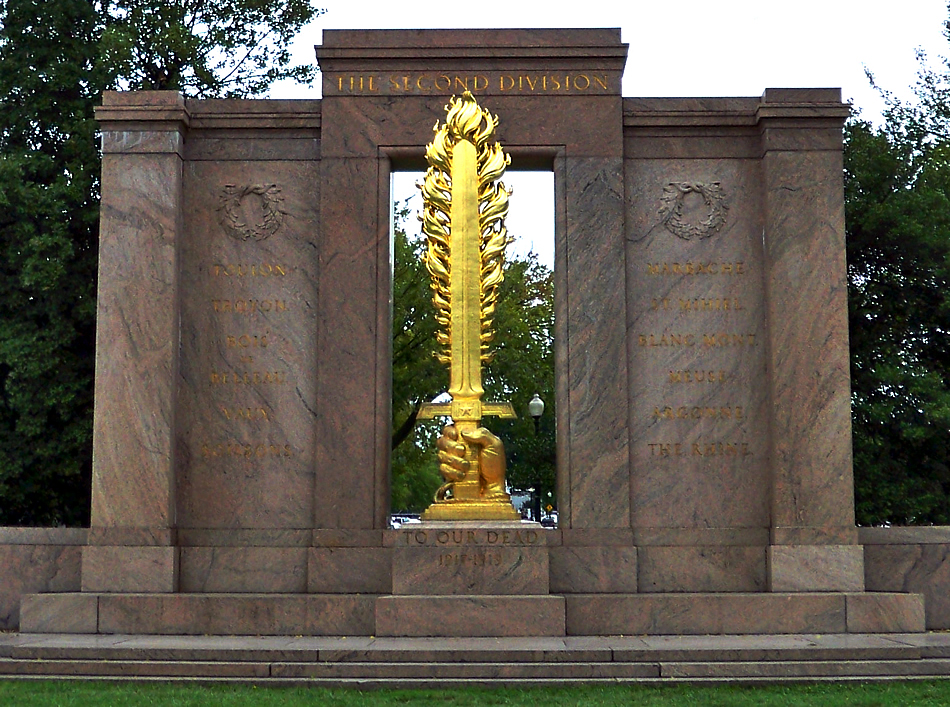
Dedicated on July 18, 1936 and rededicated on June 20, 1962, this is an 18-foot tall sculpture of a right hand holding a gilded-bronze flaming sword. On the sword's handle is a carved shield with a five-pointed star and a profile of an Indian chief (the second Division's insignia). This memorial was sculpted by James Earle Fraser (1876-1953) and honors the 17,669 members of the Second Division who died in World War I, World War II, and the Korean War.  

  • Dedication Date: 1920
  • Gaetano Federici
Westside Park, Totawa Avenue
07502 Paterson
NJ
USA

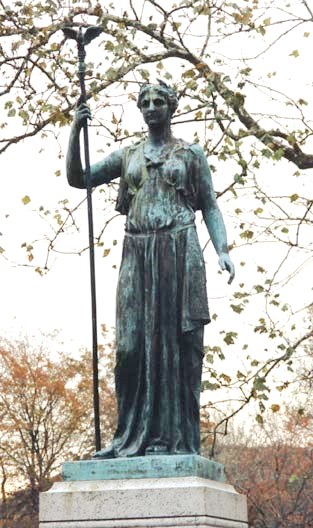
Paterson's Second Ward War Memorial is an allegorical female figure of America.  She stands holding a staff in her right hand, classically draped in long robes.  On her head, she wears a laurel wreath.  A flag with the words "Don't Tread on Me" hangs on her left side.

The sculptor was Paterson's own, Gaetano Federici. 

The inscription reads:  "Erected by the People of the Second Ward and Friends in honor of those who served and died for our country in the World War 1917-1918 / Died in Service (list of 25 names) Nurses in Service (list of 10 names) Enlisted in Service (list of 38 names)."

A bronze plaque on back of base lists an additional 216 names. 

The sculpture was originally installed on a center island in Union Avenue, then was moved to the north side of the street, and was later relocated to West Side Park in 1949 due to traffic concerns and increasing vandalism. In West Side Park, the sculpture was installed in the center of a large circular reflecting pool, but the pool was later drained. Vandalism continued in West Side Park, and in 1979, the sculpture was knocked to the ground in an unsuccessful theft attempt. 

Narrative adapted from Smithsonian Institution Research Information System (SIRIS) inventory #77002923.

Photos courtesy of: Smithsonian Institution Research Information System (SIRIS)

Pettis County Courthouse, 415 S. Ohio Ave
65301 Sedalia
MO
USA

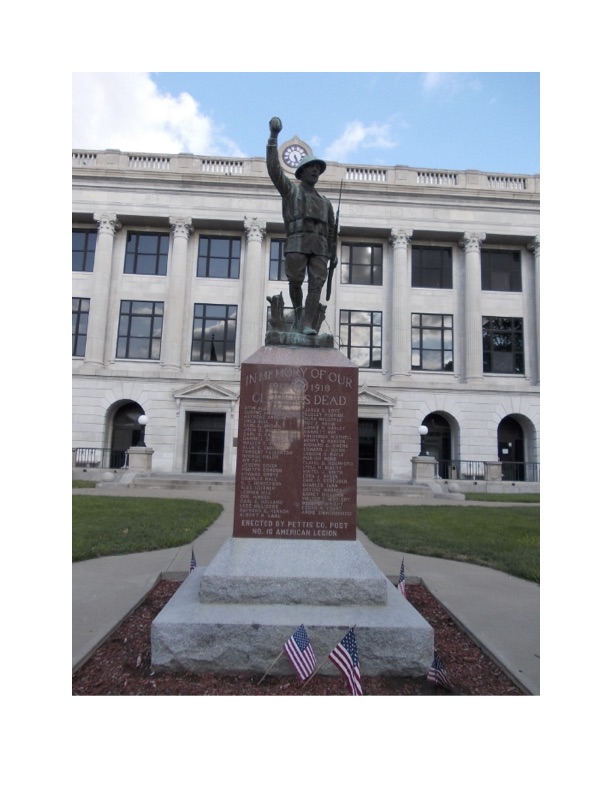
A life size copper statue of a WWI infantryman rests on a rose marble and granite base. The figure carries a rifle through No Man's Land, and appears to be ready to throw a hand grenade. The base is inscribed with the names of war dead from WWI, WWII, and the Korean and Vietnam Wars. lt was originally dedicated in 1920 by the Pettis County American Legion Post No. 16.

  • Dedication Date: 1919
  • Memorial Hunters Club Submission: thewanderer
32771 Sanford
FL
USA

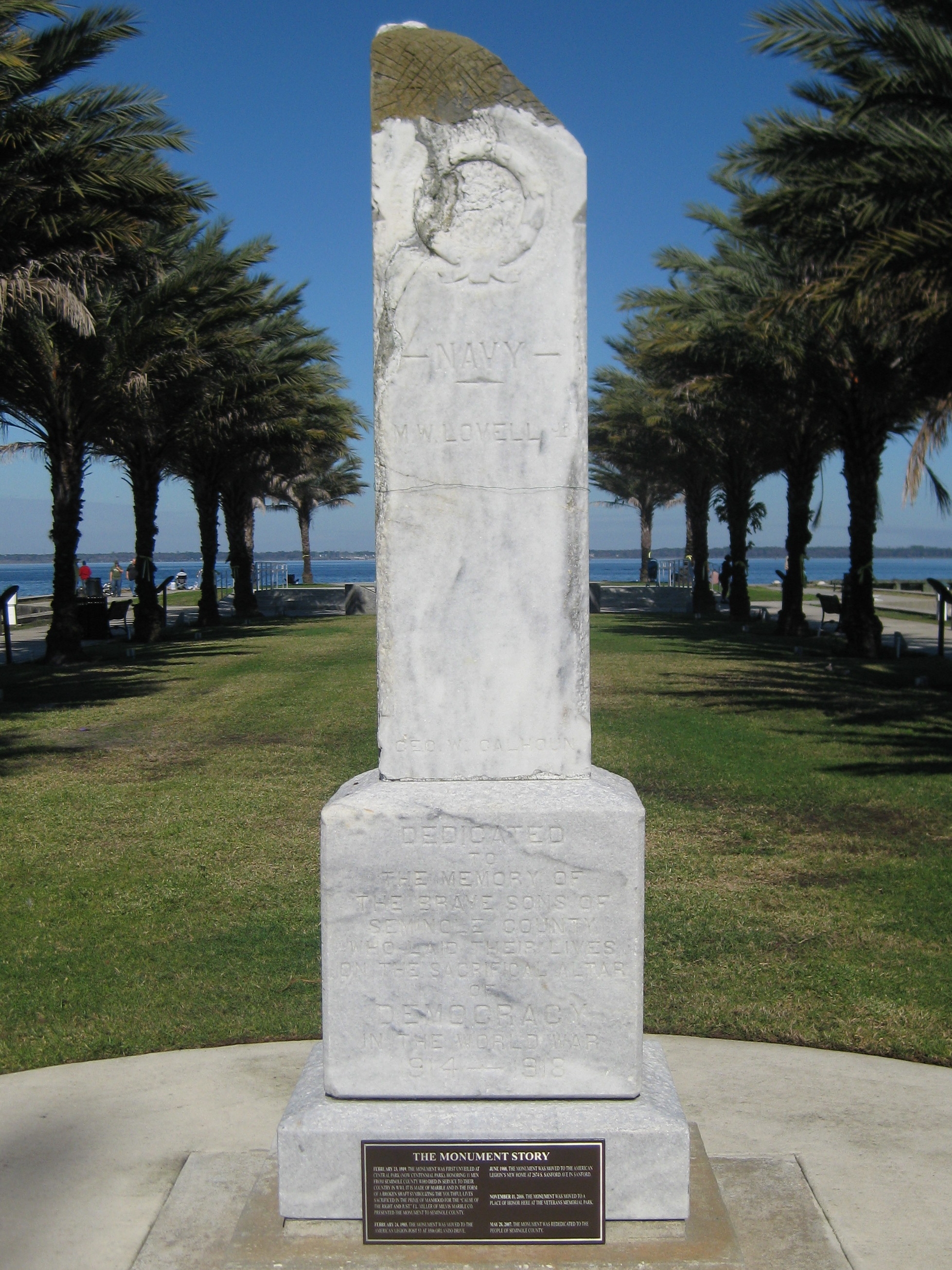
February 23, 1919, the monument was first unveiled at Central Park (now Centennial Park), honoring 11 men from Seminole County who died in service to their country in WWI. It is made of marble and in the form of a broken shaft symbolizing the youthful lives sacrificed in the prime of manhood for the "Cause of the right and the just." F.L. Miller of Milvis Marble Co. presented the monument to Seminole County.

February 24, 1985, the monument was moved to the American Legion Post 53 at 3506 Orlando Drive.

June 1988, the monument was moved to the American Legion's new home at 2874 S. Sanford Ave in Sanford.

November 11, 2006, the monument was moved to a place of honor here at the Veterans Memorial Park.

May 28, 2007, the monument was rededicated to the people of Seminole County.

  • Dedication Date: 1968
  • Felix de Weldon
37219 Nashville
TN
USA

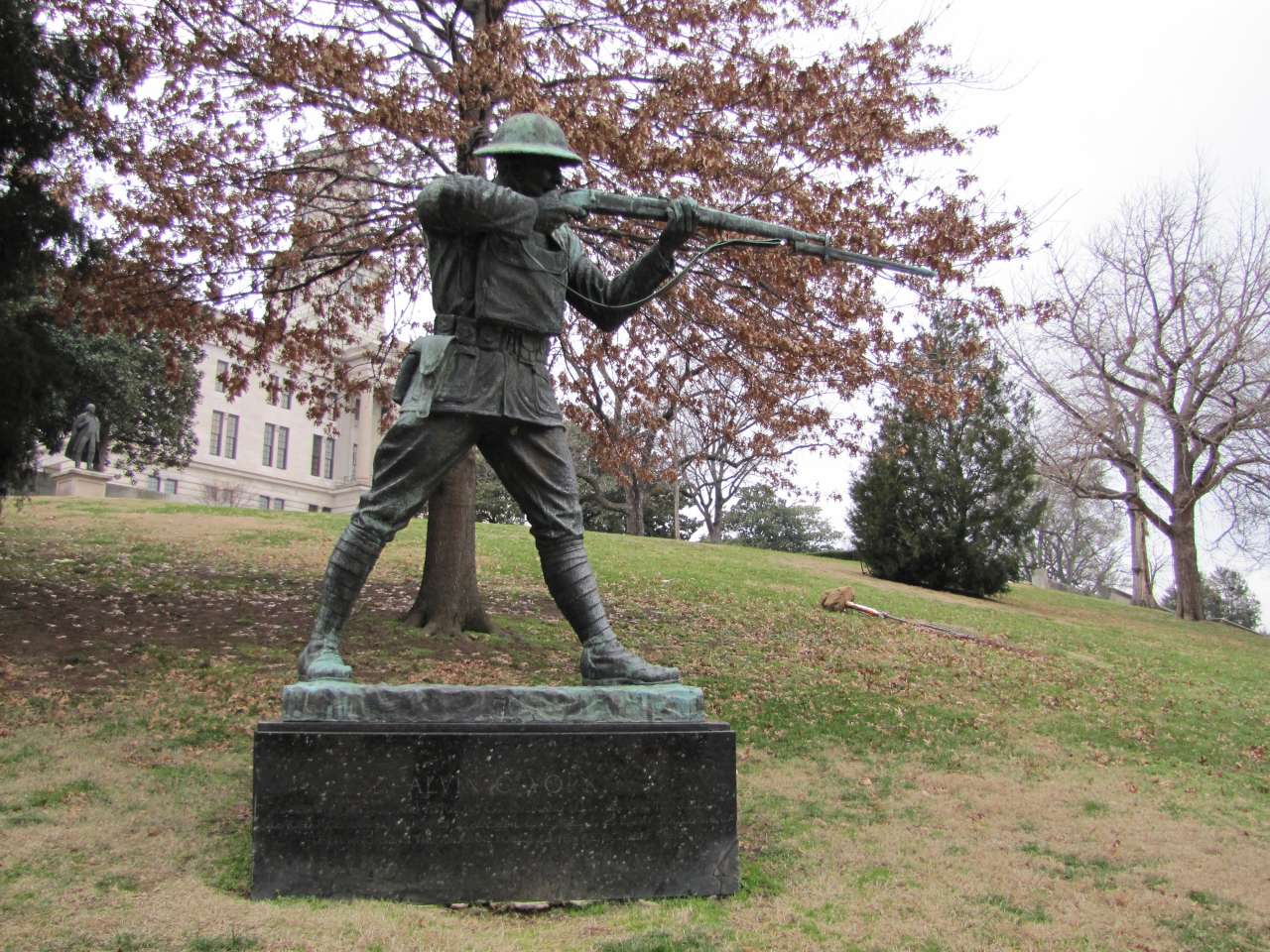
Statue of World War I hero Sergeant Alvin C. York located on the grounds of the Tennessee State House in Nashville, Tennessee.

The base of the statue is inscribed:

Front:

ALVIN C. YORK
ARMED WITH HIS RIFLE AND PISTOL, HIS COURAGE AND SKILL THIS ONE TENNESSEAN
SILENCED A GERMAN BATTALION OF 35 MACHINE GUNS KILLING 25 ENEMY SOLDIERS AND CAPTURING 132 IN THE ARGONNE FOREST OF FRANCE, OCTOBER 8, 1918.

Left Side:

ALVIN C. YORK
1887-1964
PALL MALL FENTRESS COUNTY
TENNESSEE

Right Side:

FELIX DE WELDON
SCULPTOR
MONUMENT ERECTED 1968
BY ACT OF THE GENERAL ASSEMBLY
OF THE STATE OF TENNESSEE

Back:

WHAT YOU DID WAS THE GREATEST THING ACCOMPLISHED
BY ANY PRIVATE SOLDIER OF ALL THE ARMIES OF EUROPE.
MARSHAL FERDINAND FOCH
COMMANDER-IN-CHIEF ALLIED ARMIES

  • Dedication Date: May 25, 1987
  • Octagonal planter
  • Other
Forest Park
Queens
NY
USA

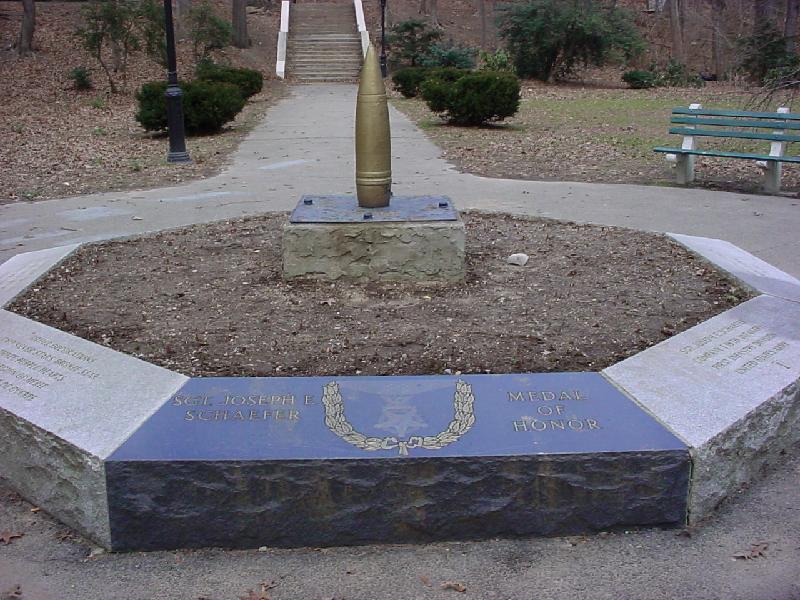
1. SGT. JOSEPH E. SCHAEFER / MEDAL OF HONOR / 

2. SGT. JOSEPH E. SCHAEFER / COMPANY I 18TH INFANTRY / FIRST INFANTRY DIVISION / UNITED STATES ARMY ['1' in shield] / 

3. AWARDED CONGRESSIONAL / MEDAL OF HONOR / IN 1944 / 

4. DEFENDED AMERICAN POSITION / AT STOLBERG, GERMANY / 24, SEPTEMBER 1944 / 

5. WORLD WAR II - KOREA / 1941-1945 --- 1950-1951 / 

6. RESIDENT OF RICHMOND HILL / FOR MORE THAN 40 YEARS / 

7. SGT. SCHAEFER'S INDOMITABLE / COURAGE AND HIS DETERMINATION / WERE RESPONSIBLE FOR STOPPING / AN ENEMY BREAKTHROUGH / PRESIDENT TRUMAN / 

8. LAST. OTHER DECORATIONS / TWO SILVER STARS, BRONZE STAR / THREE PURPLE HEARTS / THE LEGION OF MERIT / FRENCH CROIX DE GUERRE /

  • Width: 10
  • Other Measurements: Plinth H:1'1
  • Plaque on plinth
  • Plaque or tablet
Sergeant Joyce Kilmer Square
Brooklyn
NY
USA


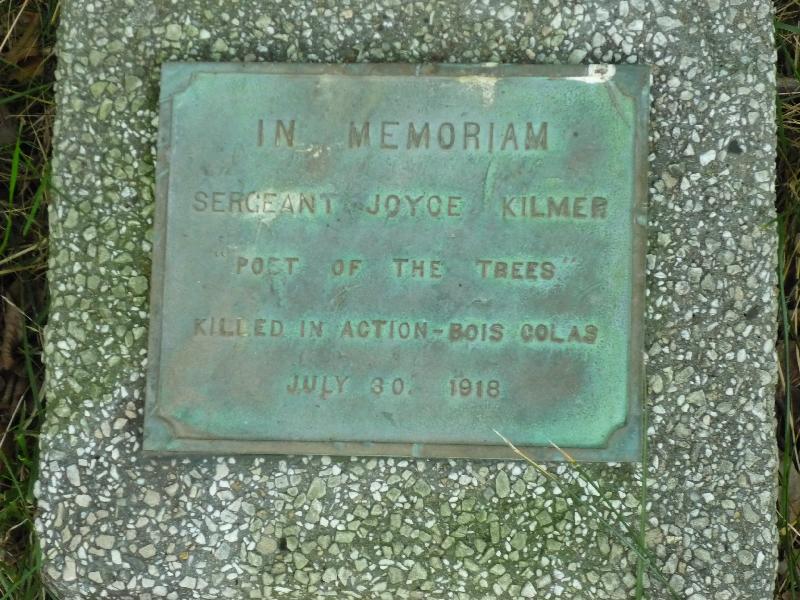
  • IN MEMORIAM / SERGEANT JOYCE KILMER / POET OF THE TREES / KILLED IN
    ACTION - BOIS COLAS / JULY 30, 1918

    SIZES: PLAQUE 8"H X 10"W; PLINTH: 13"H X 15"W X6"D
    PLINTH 13"H X 15"W X 6"D
253 Main St.
01301 Greenfield
MA
USA

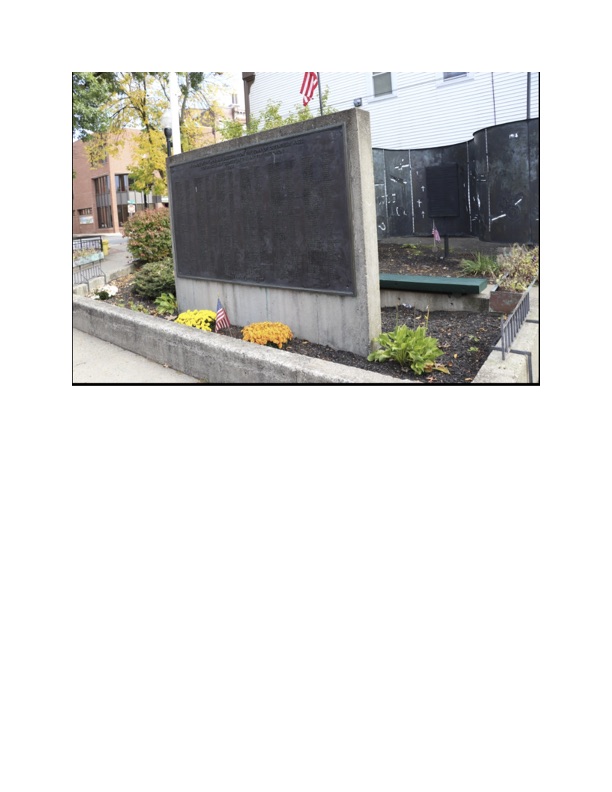
Homer Gunn sculpted this bronze serpentine wall which is ten feet tall and approximately 100 feet long, weighing three tons. It has on it relief and cut-out images illustrating twentieth century warfare from WWI through the Korean War. WWII is symbolized with the 1941 attack on Pearl Harbor, airplanes, jeeps, trucks moving across a pontoon bridge, a helmet, a landing barge, submarines, a Sherman tank, paratroopers, an M1 rifle, flying fortresses, an aircraft carrier, the Pacific front with palm trees, a PT boat and the first atomic bomb. The Korean War is represented by the United Nations building, B-24 bombers, helicopters, a Walker tank, a walkie-talkie, a bazooka, jet planes, a wounded soldier tended by a medic, soldiers around a campfire and a map of Korea. It was dedicated on November 11, 1965, to those who served and died in those wars.

  • Memorial Hunters Club Submission: Skip Are
Deer Rd
56658 Margie
MN
USA

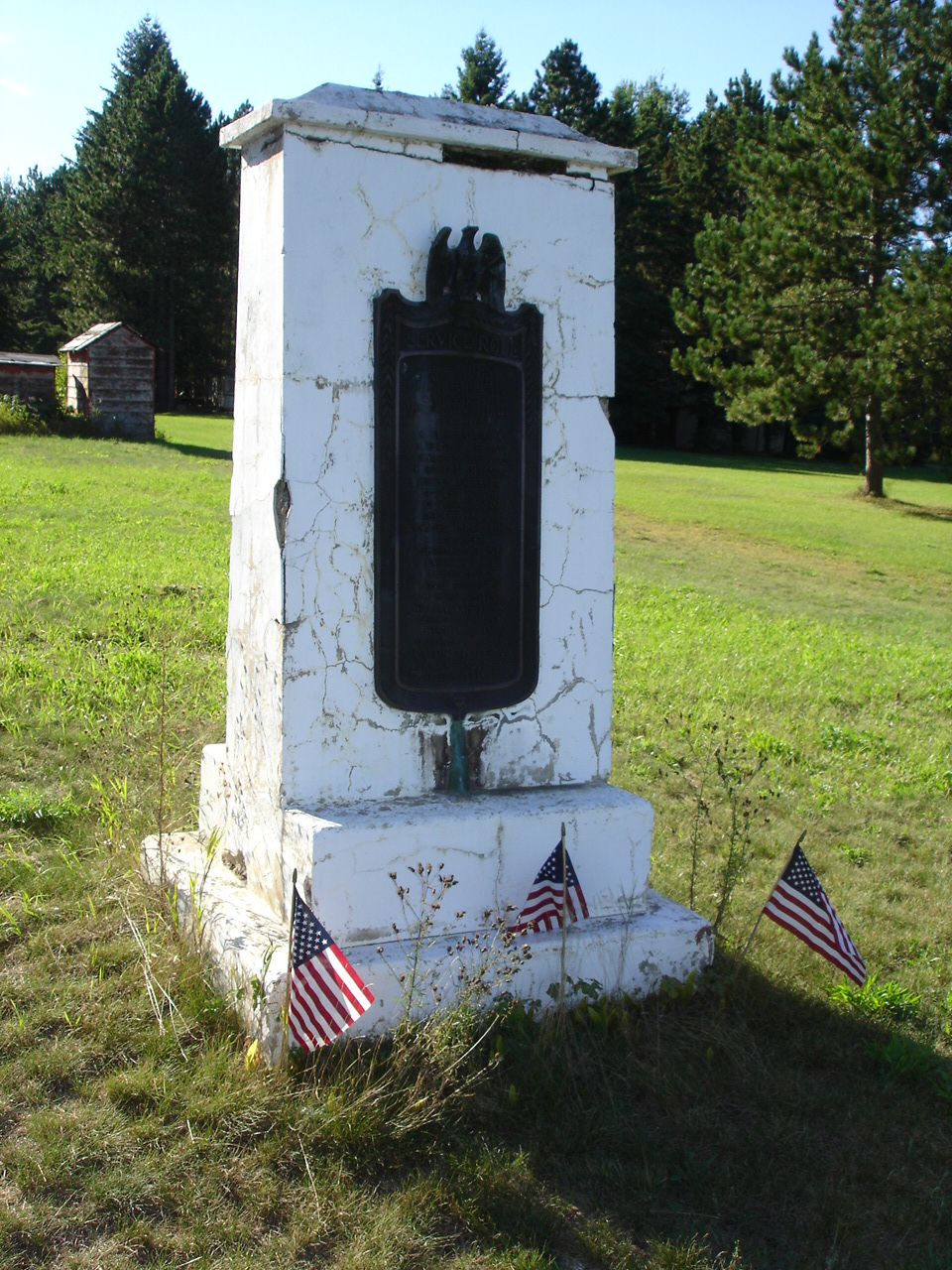
A small memorial to local residents who served in World War I.

N. Prospect Ave. at Lincoln Memorial Dr.
53202 Milwaukee
WI
USA

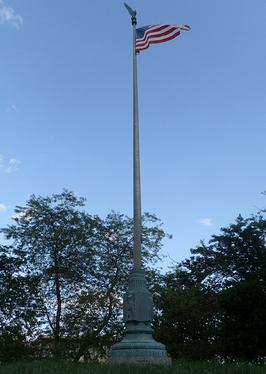
This is a flagpole topped with a bronze eagle and four reliefs carved onto an octagonal granite base.  It was sculpted by Benjamin Franklin Hawkins and dedicated by the Service Star Legion in October of 1932 to honor the veterans of World War I.

Background: A report surfaced in the June 2,1927 edition of the Milwaukee Sentinel stating that there was discussion and debate arising as to where to best place a monument to soldiers and sailors, intended to be erected by the Milwaukee Chapter of the Service Star Legion, an organization of war mothers.

Location debate continued while the group considered designs for the project, and finally settled on a replica "doughboy" statue, of which there were already three erected in various eastern cities. Unfortunately, Milwaukee's Art Commission rejected the selection, causing members of the Service Star Legion to appeal to Milwaukee's alderman to overrule the Art Commission by resolution. Alderman John Koerner answered the call, and introduced a resolution at a special Milwaukee Common Council meeting in late July 1930, which was approved. This set up a stand-off for a time between the commission and the council, with A. C. Hansen, Secretary of the Art Commission, being quoted in an August 1, 1930 Milwaukee Journal article as citing a state law that gave the commission primacy over public art installation decisions, making the council's action void. It was eventually ruled that Hansen was right, and the Milwaukee Art Commission's decision stood.

This slowed project momentum while the Service Star Legion figured out how to follow through with the Art Commission's request that they hold a contest to pick an artist. The contest commenced in 1933, and members of the Legion met at the Art Institution on September 18, 1933 to view the 17 models that came in from artists throughout the country. Alfred G. Pelikan, director of the Art Institution, was quoted in a September 20, 1933 Milwaukee Journal article as saying, "We are just helping to arrange the exhibition. I was asked to help judge the memorial contest, but I said 'nosiree.' I've got enough trouble of my own."

While the women of the Service Star Legion ultimately settled on Benjamin Franklin Hawkins' flagpole design, they were reported to have little enthusiasm for it. Mrs. Louis Manegold, chairwoman of the Legion's Memorial Design Committee, said, "We picked this as the best of the designs submitted, but there was not one in the competition that appealed to us as much as the doughboy. He seemed typical of the feeling of the boys when we saw them come home in 1919. This is graceful and impressive, but it doesn't express a thing."

From there, developments moved quickly from approval to planning, and then to a groundbreaking ceremony on August 1, 1934 at the chosen site, a small triangle of land bounded by N. Second St., N. Plankinton Ave. and W. Wells St. A few months later the project was complete, and a dedication ceremony was held on November 11, 1934, then known as Armistice Day. The flagpole unveiling was seen as the highlight of the day honoring the 750 Milwaukeeans who lost their lives in World War I.

The flagpole stayed in its location until June 14, 1979, when it was moved to be closer to the War Memorial Center as part of MacArthur Memorial Week, June 7 - 14. The flagpole had stood taller at its original location, installed atop two octagonal granite stones, but was relocated with only one of those base stones to the new location.

Herring Run Park Belair and Shannon Drives
21213 Baltimore
MD
USA

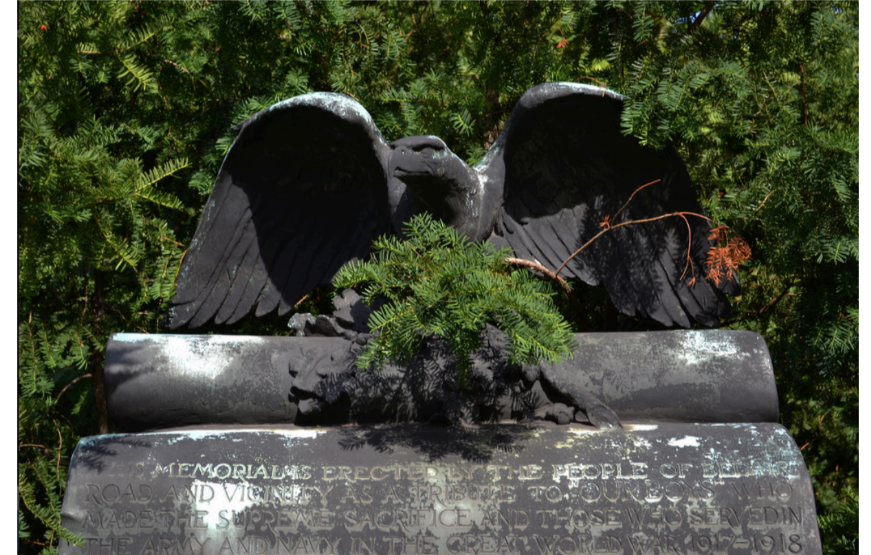
This is a bronze sculpture created by Edward Berge (1876—1924), depicting a spread-winged eagle perched atop an unfurled scroll hanging down the side of a granite base. In its claws is an oak branch. On the stroll are the names ol the men from ihe Belair Rd. section of Baltimore who died during WWI. It was erected in 1921 at Belair Rd. and Glenmore Ave., and moved to another section of Herring Run Park in 1925. It was finally moved to its present site in 1933.

  • Other Measurements: diam 9'5
  • 1923
  • Dedication Date: 1923
  • Seventh Draft Board
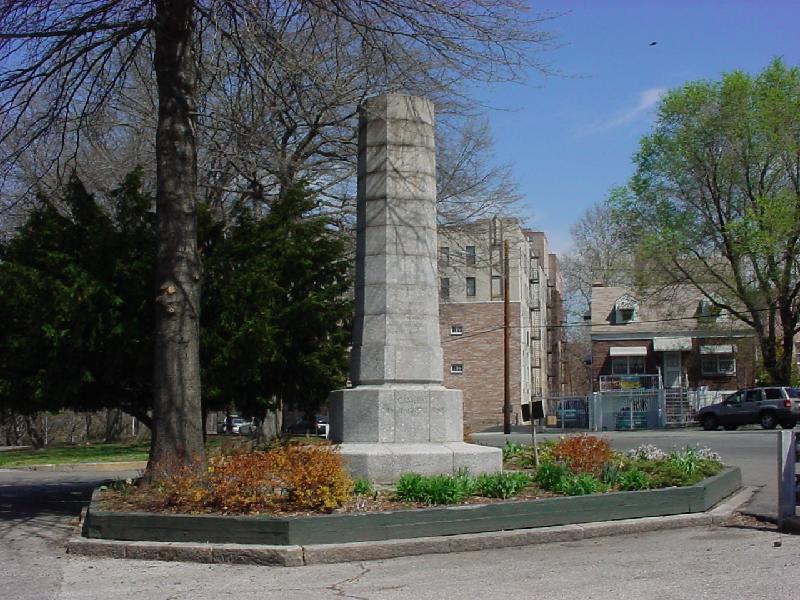
  • Octagon obelisk, incised letters
  • Charles W. Stoughton
  • Column or pillar
Bronx River Parkway
NY
USA


  • South side:
    MASSIMO GAMACONE / JOSEPH F. GRASEK / EDMUND H. HAMF / R. J. HANRAHAN JR. / CHRISTIAN M. HANSEN / WALTER HELLMERS / ALBERT HUNTLY / HENRY KANE/ --- / CAMBRAI / CHAMPAGNE MARNE / 

    West side:
    PAUL A. ALBUS / GEORGE S. ASKEY / ERNEST F. BAUER / SYLVESTER V. CANALES / EDWARD J. COHEN / GUIDO DI AGOSTINO / THOMAS F. DONOVAN / ALPHONSO FRENGS / --- / LEST / WE FORGET / ST. MIHIEL / MEUSE ARGONNE /

    North side:
    JAMES C. PRITCHARD / HENRY QUIST JR. / JOSEPH RAIA / WILLIAM F. RUSER / WALTER SMITH / CARMINE SPACCERELLI / JOHN UZZI / WALTER BRANDT / --- / VITTORIO VENETO / CHATEAU THIERRY / 

    East side:
    PAUL MARINO / FRANK J. MURPHY / MATTHEW W. MURRAY / LUIGI NARDOZZA / WILLIAM J. NOVY / JOSEPH J. PAVIA / WILLIAM PEGG / MARK PENNACHIO / --- / SOMME / YPRES LYS / 

    Northwest side:
    MCMXXIII

    Southwest side:
    STOUGHTON / ARCHITECT
115 N. 3rd St.
71832 De Queen
AR
USA
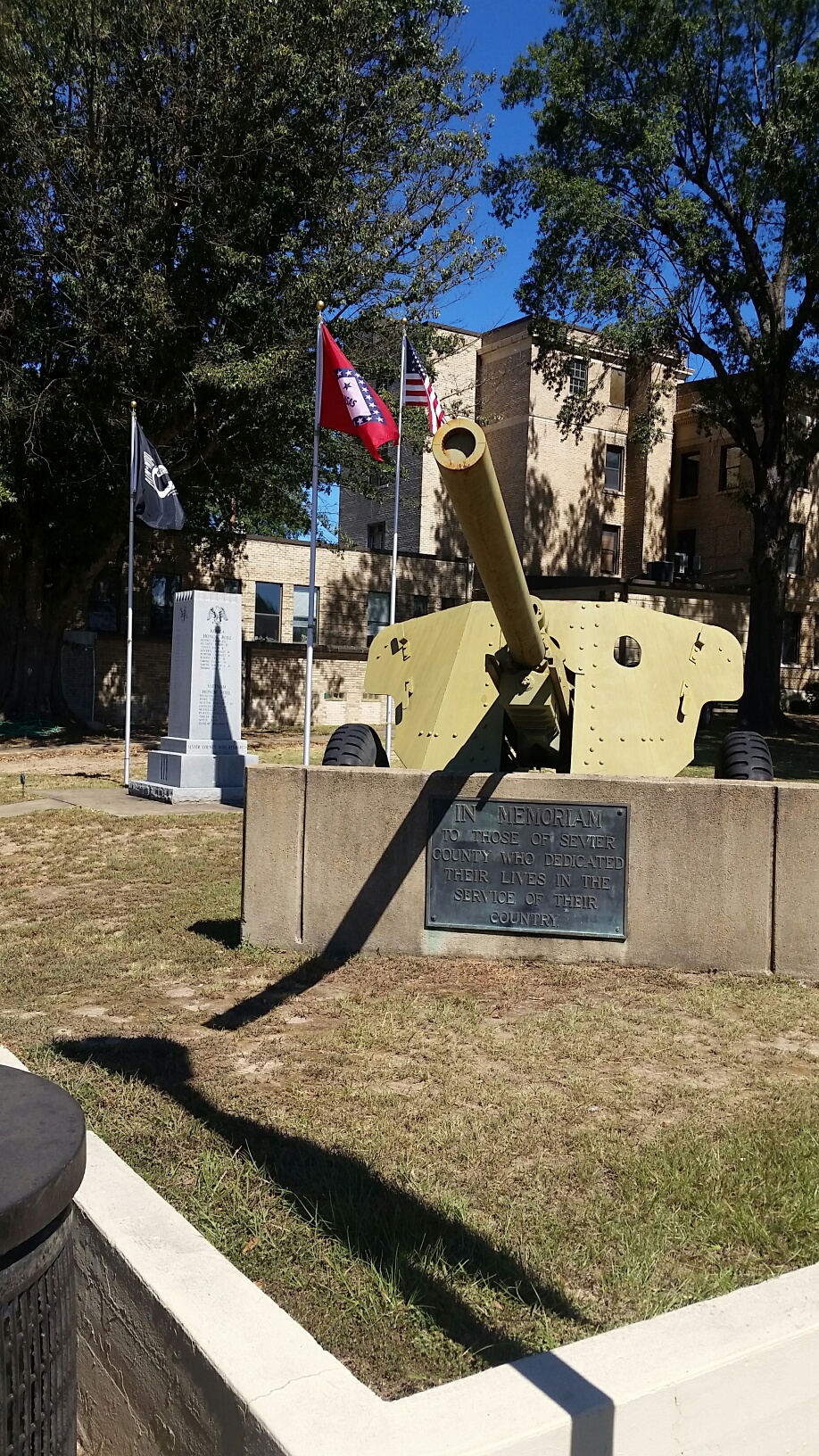
No additional information at this time.
  • Dedication Date: 2012
  • Memorial Hunters Club Submission: Memorial Hunter: Robert Shay, PH3, USNR-R, 1964-70
800 N Main St
84701 Richfield
UT
USA

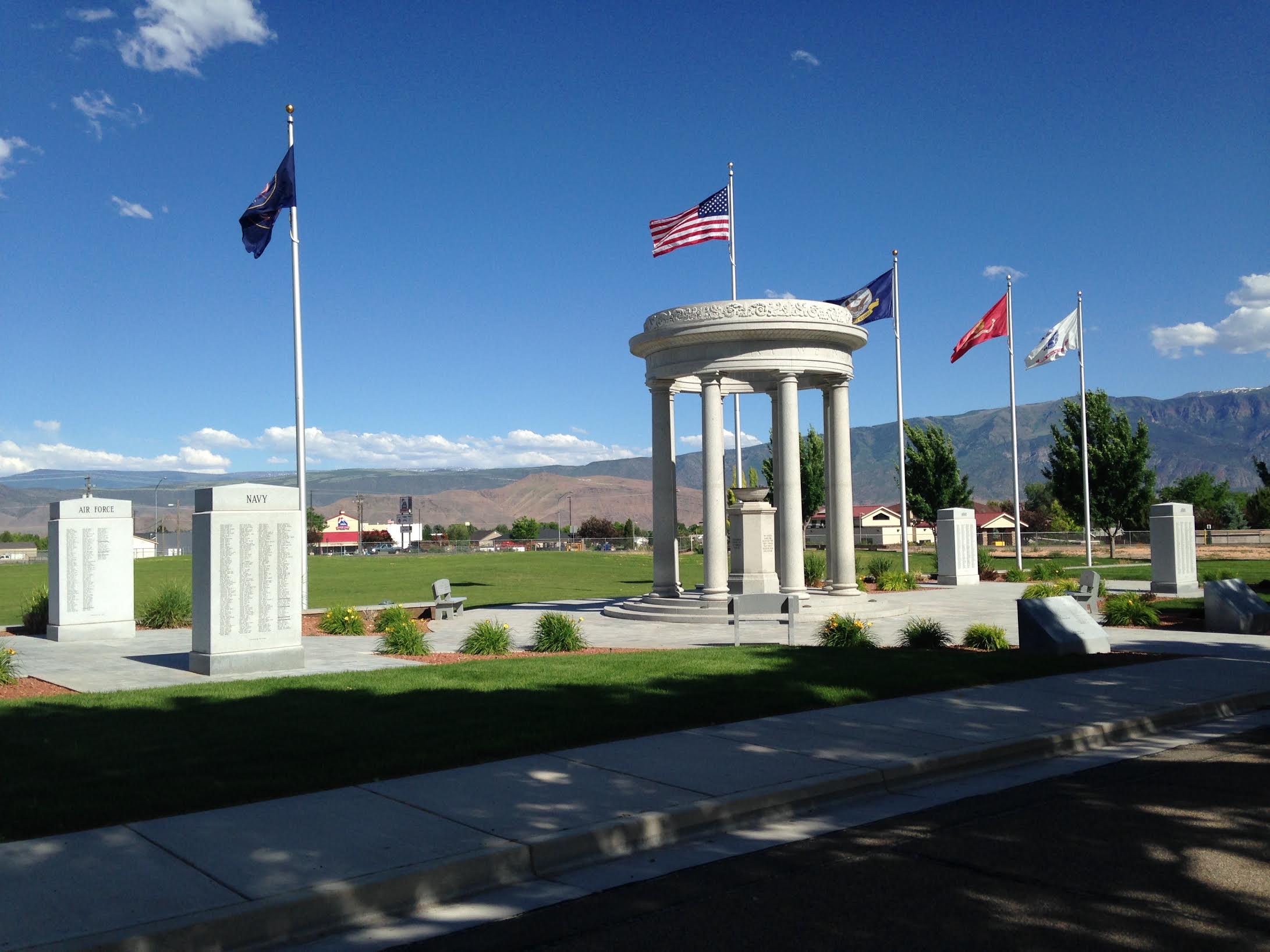
This site has four granite memorial markers for those who have served in all wars, listed by service branch. Gold stars mark the names of those who died in service. Around the markers and a central memorial structure stand seven flags: one for each branch of service, the United States flag, and the POW/MIA flag.

Wolf River Cemetery
38577 Pall Mall
TN
USA

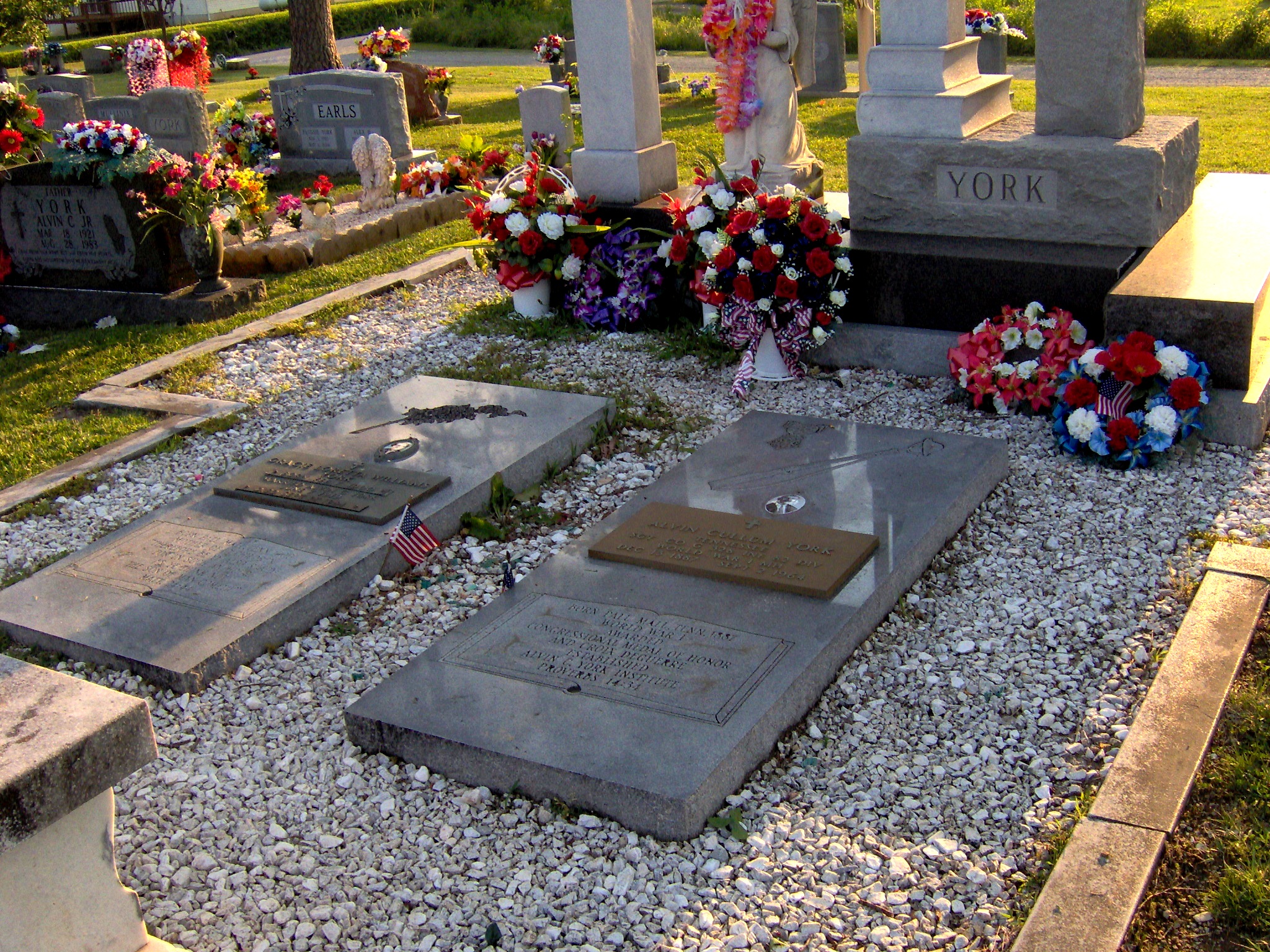
Sgt. Alvin C. York Grave

100 Cities / 100 Memorials

100c 100m wwi centennial plaque Sgt. Alvin Cullum York was one of the most decorated soldiers in World War I. On 8 October 1918, in the Argonne Forest in France, he managed on his own to eliminate a German machine gun unit and killed over 20 Germans, with only his rifle and a pistol. The German officer responsible for the machine gun position had emptied his pistol while firing at York, but failed to hit him. This officer then offered to surrender and York accepted. York then led the handful of survivors in a counterattack that resulted in the capture of 132 German soldiers. York was awarded the Medal of Honor and became an instant celebrity.  After the war he led a quiet life and died on 2 September 1964.  In honor of the centennial of the 1918 Armistice that ended World War I, the grave has been restored to include a new handicap accessible pathway to his grave, new benches, a decorative fence, poppies planted along with new signage that describes the importance of his grave, the Centennial of WWI, and his connection to Rotary International (which sponsored the restoration project along with the Sgt. York Patriotic Foundation). 
  • Memorial Hunters Club Submission: Angela King-Sweigart
Quartermaster Road
17038 Jonestown
PA
USA

Information:
The monument located adjacent to the man-made lake bearing his name, Shuey Lake. Sgt. Perry R. Shuey , a native of Lebanon, was awarded the Distinguished Service Cross for extraordinary heroism in action during World War I near Fleville, France on Oct. 5, 1918. The monument was dedicated sometime in the late 1950s. It is located on Fort Indiantown Gap, an active military installation. Please visit the installation website for additional information www.ftig.ng.mil

Location:
Quartermaster Road
Fort Indiantown Gap, PA, 17003

  • Armistice Day, 1923
  • Dedication Date: Armistice Day, 1923
  • Daughters of the American Revolution, St. Paul Chapter

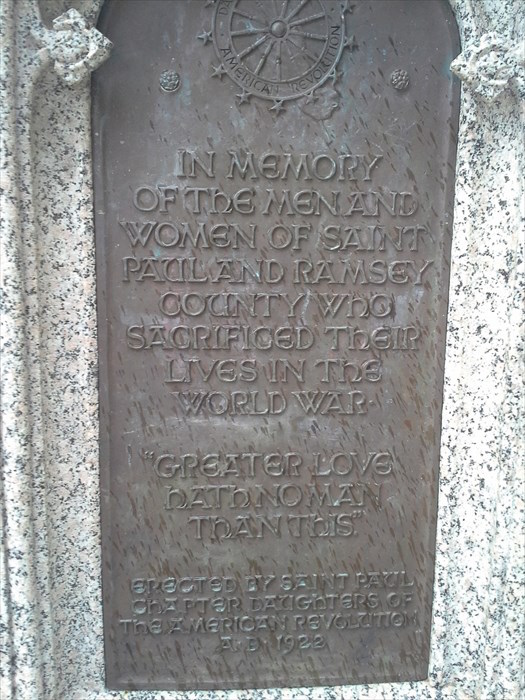
This large monument consists of a cross atop a tall stone spire overlooking the Mississippi River in St. Paul, MN. On the east face of the monument is a plaque reading: 'IN MEMORY OF THE MEN AND WOMEN OF SAINT PAUL AND RAMSEY COUNTY WHO SACRIFICED THEIR LIVES IN THIS WORLD WAR. "GREATER LOVE HATH NO MAN THAN THIS"' and 'ERECTED BY SAINT PAUL CHAPTER DAUGHTERS OF THE AMERICAN REVOLUTION A.D. 1922'

154 Nix Ridge Road
72513 Ash Flat
AR
USA
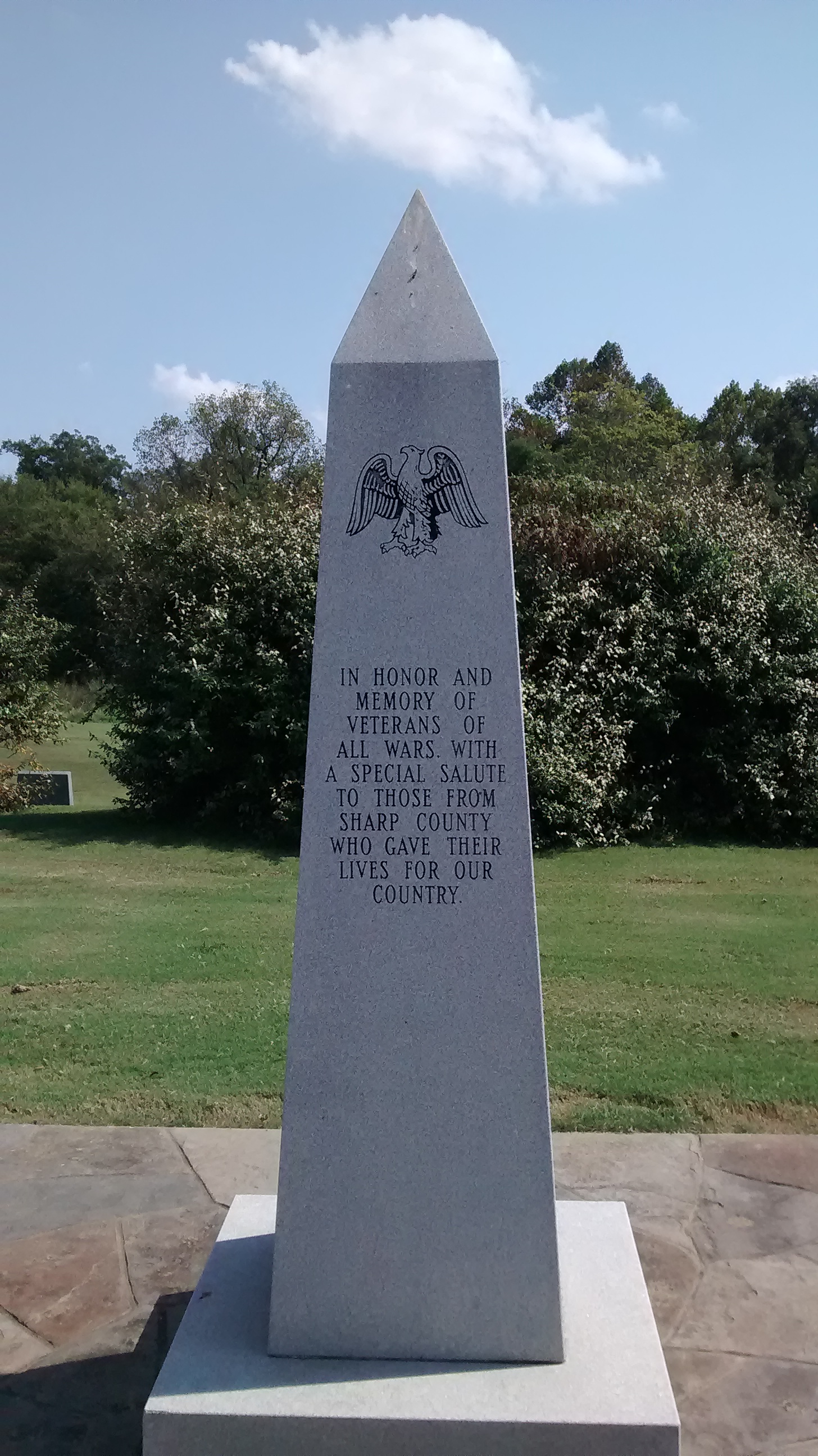
No additional information at this time.
  • Memorial Hunters Club Submission: thewanderer
21782 Sharpsburg
MD
USA

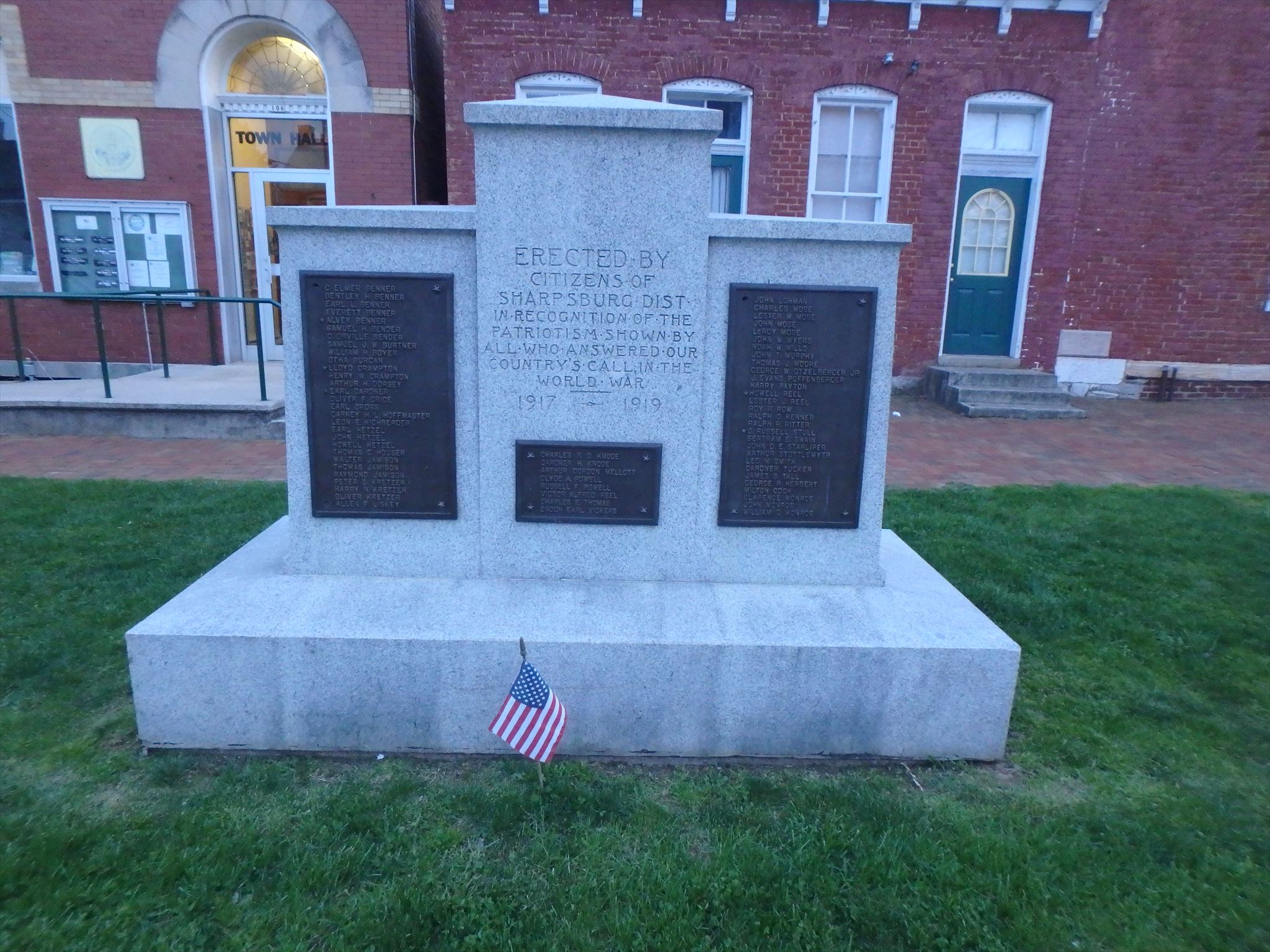
Granite monument located in front of the Sharpsburg Town Hall honoring those from the Sharpsburg area who served during World War I.


There are three bronze markers bearing the names of 67 men from Sharpsburg and the district.

  • Dedication Date: 1954
112 N Main St
35051 Columbiana
AL
USA
Erected by the American Legion.