


























Doughboy Foundation Home
transition01.jpg
transition03.jpg
Belvedere-Stone-View-3.jpg
Belvedere-to-Sculpture.jpg
Belvedere-Stone-View-1.jpg
Rendering-2.jpg
Rendering-3A.jpg
Rendering-4.jpg
Rendering-5.jpg
Terrace-Planters2.jpg
_P3_3855_250118-Edit_250118.jpg
_P3_3934_250118_250118.jpg
_P3_3941_250118_250118.jpg
previous arrow
next arrow

Monuments & Memorials

"The centennial of World War One offers an opportunity for people in the United States
to learn about and commemorate the sacrifices of their predecessors."

from The World War One Centennial Commission Act, January 14, 2013
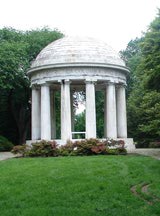
DCWorldWarMonumen 1World War One was a watershed in American history. The United States' decision to join the battle in 1917 "to make the world safe for democracy" proved pivotal in securing allied victory — a victory that would usher in the American Century.

In the war's aftermath, individuals, towns, cities, counties, and states all felt compelled to mark the war, as did colleges, businesses, clubs, associations, veterans groups, and houses of worship. Thousands of memorials—from simple honor rolls, to Doughboy sculptures, to grandiose architectural ensembles—were erected throughout the US in the 1920s and 1930s, blanketing the American landscape.

Each of these memorials, regardless of size or expense, has a story. But sadly, as we enter the war's centennial period, these memorials and their very purpose—to honor in perpetuity the more than four million Americans who served in the war and the more than 116,000 who were killed—have largely been forgotten. And while many memorials are carefully tended, others have fallen into disrepair through neglect, vandalism, or theft. Some have been destroyed. Watch this CBS news video on the plight of these monuments.

The extant memorials are our most salient material links in the US to the war. They afford a vital window onto the conflict, its participants, and those determined to remember them. Rediscovering the memorials and the stories they tell will contribute to their physical and cultural rehabilitation—a fitting commemoration of the war and the sacrifices it entailed.

Memorial Hunters Club

We are building a US WW1 Memorial register through a program called the Memorials Hunters Club. If you locate a memorial that is not on the map we invite you to upload your treasure to be permanently archived in the national register.  You can include your choice of your real name, nickname or team name as the explorers who added that memorial to the register. We even have room for a selfie! Check the map, and if you don't see the your memorial CLICK THE LINK TO ADD IT.
100 Cities - 100 Memorials

Filters
Geolocalisation bp
  • Width: 2 1/2'
  • Depth: 2'
  • Other Measurements: Base: approx. 7 x 5 x 5 ft
  • Dedication Date: November 11, 1927
  • 47260025
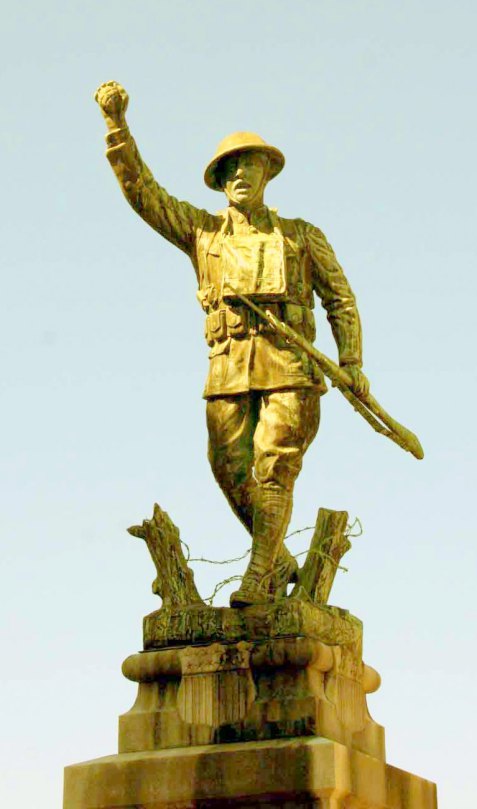
  • Figure of a World War I infantryman advancing through the stumps and barbed wire of No Man's Land. He holds a rifle in his proper left hand and a grenade in his upraised proper right hand. On rear of base is panel with two armed soldiers facing outward.
  • IAS files contain news clipping from Attica Tribune discussing dedication of memorial.
  • E. M. Viquesney
  • Attica Public Library, 305 South Perry Street, Attica, Indiana 47918
  • Single figure -- soldier
305 South Perry Street
47918 Attica
IN
USA

(Proper right side of self base:) Spirit of the American Doughboy/copyrighted by E.M. Viquesney, sculptor (Bronze plaque on front of base:) (eagle with wings spread) ERECTED 1927 BY/FRANCIS M. DODGE/WILBERT M. ALLEN/AND OTHER CITIZENS/IN GRATEFUL RECOGNITION/OF THE PATRIOTIC SERVICE/RENDERED BY/FOUNTAIN COUNTY/MEN AND WOMEN/DURING THE WORLD WAR/1917-1918 (Rear of base:) FOR GOD AND COUNTRY signed

  • Width: 31
  • Depth: 52
  • Dedication Date: Nov. 17, 1928
  • 47260026
  • A figure of a World War I infantryman advancing through the stumps and barbed wire of No Man's Land. He holds a grenade in his raised proper right hand, and originally held a rifle in his proper left hand.
  • E. M. Viquesney
  • American Legion Funkhouser Post #8, 6001 New Harmony Road, Evansville, Indiana 47720
  • Single figure -- soldier
6001 New Harmony Road
47720 Evansville
IN
USA

On base:) SPIRIT OF THE AMERICAN DOUGHBOY/COPYRIGHTED BY E.M. VIQUESNEY/SPENCER INDIANA

  • Width: 31
  • Depth: 26
  • Other Measurements: Base: approx. 16 x 28 43 in
  • Dedication Date: Nov. 12, 1928
  • 47260138
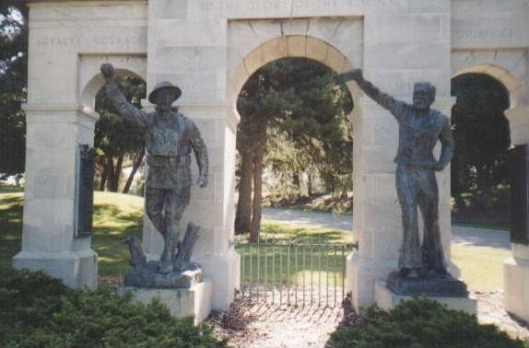
  • In front of a large memorial archway stands a figure of a World War I sailor striding forward and waving his hat with his proper right hand. Adjacent to the sailor is a sculpture of a doughboy (IAS record 47260027).
  • Captain John K. Shawvan of the Muldoon Monument Company designed the memorial.
  • E. M. Viquesney
  • Administered by City of Fort Wayne, Parks Department, 705 East State Boulevard, Fort Wayne, Indiana 46805 Located Memorial Park, Glasgo Avenue entrance, Fort Wayne, Indiana
  • Single figure -- soldier
Glasgow Avenue entrance to Memorial Park
46803 Fort Wayne
IN
USA

(On bronze base of sculpture:) SPIRIT OF THE/AMERICAN NAVY/COPYRIGHTED BY/E.M. VIQUESNEY SCULPTOR/SPENSER, INDIANA (On front of archway:) LOYALTY COURAGE SACRIFICE VICTORY ALLEN COUNTY AND FORT WAYNE/THEIR TRIBUTE/TO THE GLORY OF THEIR SONS (On plaque on inside of archway:) HONOR ROLL/1917-1918/THOSE WHO MADE THE SUPREME/SACRIFICE IN THE WORLD WAR/FROM ALLEN COUNTY AND FORT WAYNE (list of names) (On plaque on north side of archway:) ERECTED IN 1928 BY THE CITIZENS OF/ALLEN COUNTY AND FORT WAYNE/UNDER THE AUSPICES OF COMMITTEES/(list of names)

  • Width: 31
  • Depth: 26
  • Other Measurements: Base: approx. 16 x 28 x 43 in
  • Dedication Date: Nov. 12, 1928
  • In front of a large memorial archway stands a figure of a World War I infantryman advancing through the stumps and barbed wire of No Man's Land. He holds a grenade in his raised proper right hand and once held a rifle in his proper left hand. Adjacent to the doughboy is a sculpture of a sailor (IAS record 47260138).
  • Captain John K. Shawvan of the Muldoon Monument Company designed the memorial.
  • E. M. Viquesney
  • Administered by City of Fort Wayne, Parks Department, 705 East State Boulevard, Fort Wayne, Indiana 46805 Located Memorial Park, Glasgo Avenue entrance, Fort Wayne, Indiana
  • Single figure -- soldier
Glasgow Avenue entrance to Memorial Park
46803 Fort Wayne
IN
USA

(On bronze base of sculpture:) SPIRIT OF THE/AMERICAN DOUGHBOY/COPYRIGHTED BY/E.M. VIQUESNEY SCULPTOR/SPENSER, INDIANA (On front of archway:) LOYALTY COURAGE SACRIFICE VICTORY ALLEN COUNTY AND FORT WAYNE/THEIR TRIBUTE/TO THE GLORY OF THEIR SONS (On plaque on inside of archway:) HONOR ROLL/1917-1918/THOSE WHO MADE THE SUPREME/SACRIFICE IN THE WORLD WAR/FROM ALLEN COUNTY AND FORT WAYNE (list of names) (On plaque on north side of archway:) ERECTED IN 1928 BY THE CITIZENS OF/ALLEN COUNTY AND FORT WAYNE/UNDER THE AUSPICES OF COMMITTEES/(list of names)

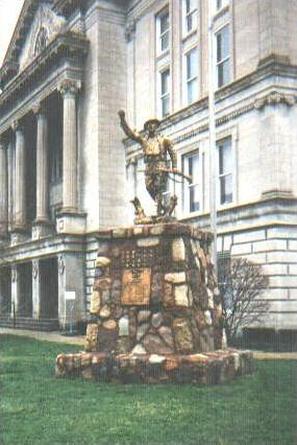
  • Width: 2 1/2'
  • Depth: 2'
  • Dedication Date: Nov. 11, 1927
  • 47260029
  • A figure of a World War I infantryman advancing through the stumps and barbed wire of No Man's Land. He holds a rifle in his proper left hand and a grenade in his raised proper right hand.
  • E. M. Viquesney
  • Administered by Putnam County, Commissioners, Putnam County Courthouse, Greencastle, Indiana 46135 Located Putnam County Courthouse, Lawn, Greencastle, Indiana 46135
  • Single figure -- soldier
Putnam County Courthouse Lawn
46135 Greencastle
IN
USA
(On bronze plaque on front of base:) PUTNAM COUNTY/REMEMBER (list of names)/AND THEIR CONRADES IN ARMS/WORLD WAR I 1917-1918/DEDICATED NOVEMBER 11, 1927
112 N Somerset Av
21817 Crisfield
MD
USA

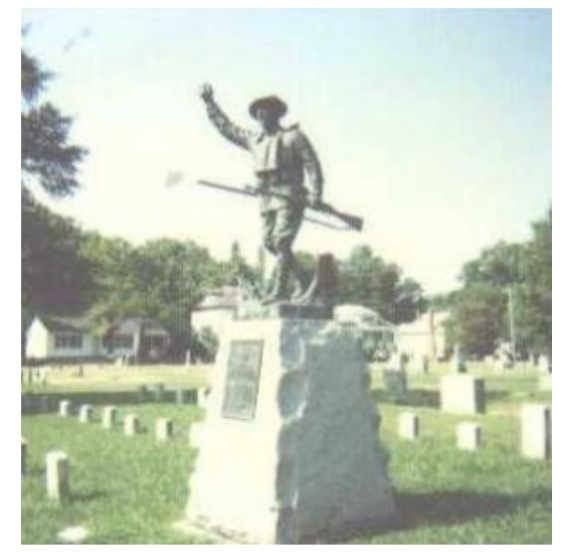
E.M. Viquesney sculpted this life-size bronze WWI infantryman in No Man's I.and, carrying a rifle and grenade. It was cast in 1923 and honors the memory of the men of Crisfield who served in WWI. A roll of honor is on a plaque attached to the granite base.

276 4th Ave.
91910 Chula Vista
CA
USA

276 4th Ave., Chula Vista. CA 91910; Outdoors. Free.
This is a life-size metal statue of a WWI infantryman advancing through the barbed wire and stumps of No Man's Land, carrying a riffle and hand grenade. It was sculpted by F.M. Viquesney

UPDATE FROM LES KOPEL

There is no Viquesney Doughboy, or any WWI Doughboy, at Chula Vista. The photo is that of the Viquesney Doughboy at Nashville, GA. During his search for Viquesney Doughboys, someone reported Chula Vista to researcher T. Perry Wesley as a location, but it has long since been discredited.

Barnum Square, opposite 6 Barnum Square
06801 Bethel
CT
USA

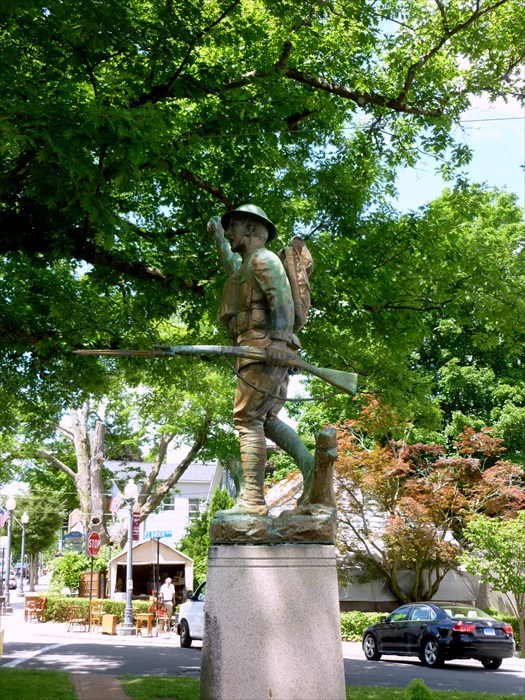
This is a full-sized bronze figure of a World War I infantryman advancing through the barbed wire and stumps of No Man's Land, holding a rifle and a hand grenade. It was sculpted by E.M. Viquesney and erected to honor Bethel's war veterans.

Swanton Memorial City Park, 307 S. Main St.
43558 Swanton
OH
USA

The Spirit of the American Doughboy

100 Cities / 100 Memorials

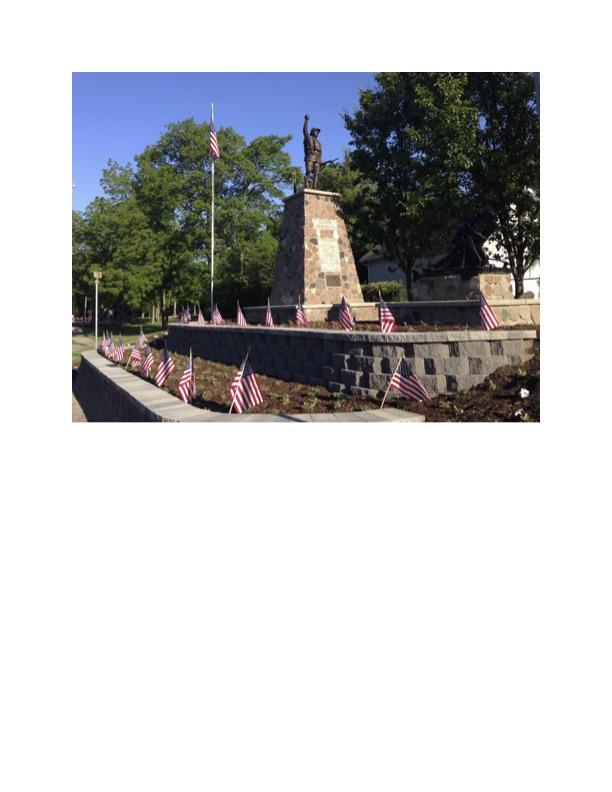
100c 100m wwi centennial plaque The Village of Swanton is a small town outside of Toledo, Ohio. Its prized landmark is The Spirit of the American Doughboy statue. The statue was a gift from the French people, the only one donated to a city in the United States by the Republic of France, in gratitude for the sacrifice of Swanton, which had an exceptionally large number of victims,  during the war.  It is a copper alloy statue of a World War I infantryman carrying a rifle and grenade as he advances through the barbed wire and stumps of No Man's Land. It is mounted on a base of marble chunks and mortar, and a lower base of fieldstone chunks and mortar.  The Swanton Doughboy was dedicated on July 5 1926 and, following years of deterioration, was restored and rededicated on Memorial Day 2015. 
  • Width: 4'
  • Depth: 4'
  • Other Measurements: Base: approx. 6 ft. x 4 ft. 6 in. x 4 ft. 6 in
  • Dedication Date: Nov. 11, 1935
  • 47260017
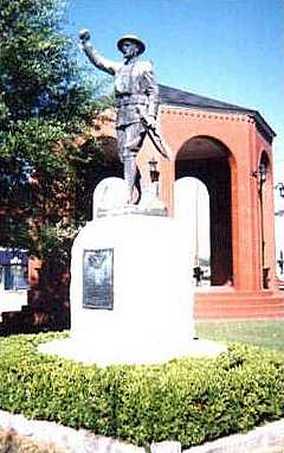
  • Figure of a World War I infantryman advancing through the stumps and barbed wire of No Man's Land. He holds a rifle in his proper left hand and a grenade in his upraised proper right hand.
  • For related reading see: Waycross Journal-Herald, Nov. 11, 1935.
  • E. M. Viquesney
  • Administered by City of Waycross, Public Works Department, 417 Pendelton Street, Waycross, Georgia 31501 Located Doughboy Park, Intersection of Plant Avenue, Mary and Lott Streets, Waycross, Georgia
  • Single figure -- soldier
Plant Avenue, Mary and Lott Streets
31501 Waycross
GA
USA

Plaque: DEDICATED TO/THE MEMORY OF OUR COMRADES/WHO ENTERED THE SERVICE/OF THEIR COUNTRY/FROM WARE COUNTY/AND WHO GAVE THEIR LIVES/IN THE WORLD WAR/..../SPONSORED BY/WARE CO. POST NO. 10, AMERICAN LEGION/NOVEMBER 11, 1935

Rear, inscribed below American Legion symbol: Ware County Post No. 10/Nov. 11, 1935/Dr. Paul K. McGee post Com./Doughboy Committee/Dr. Henry J. Carswell Chr./Walter E. Lee. Karl R. Porter/J.A. Rollison. W.D. Waldron./Geo. U. Gates. Clem Hardy./Mrs. Paul K. McGee. Ira Thomas./Mrs. Witherspoon Daniel. signed

  • Width: 4'6
  • Depth: 2'1
  • Other Measurements: Base: approx. 13 ft. x 7 ft. 4 1/2 in. x 4 ft. 11 1/2 in
  • Dedication Date: Sept. 1921
  • 47260030
  • A figure of a World War I infantryman advancing through the stumps and barbed wire of No Man's Land. He holds a rifle in his proper left hand and a grenade in his raised proper right hand.
  • The memorial honors those from Blackford County who served in World War I. Funding for the memorial was raised by public subscription and a $1,200 contribution from the ladies of the Service Star Legion. IAS files contain a newspaper article from The Hartford City Newspaper, Sept. 28, 1921, pg. 1-4.
  • E. M. Viquesney
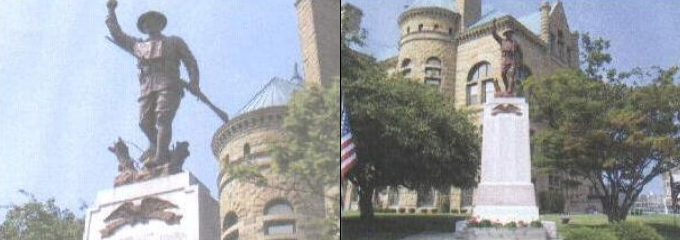
  • Administered by Blackford County, Veterans' Affairs, 110 West Washington Street, Hartford City, Indiana 47348 Located Blackford County Courthouse Square, Main & North Jefferson Streets, Hartford City, Indiana
  • Single figure -- soldier
Blackford county courthouse square
47348 Hartford City
IN
USA

(On bronze plaque on front of base:) HONOR ROLL/DIED IN SERVICE/(list of names)/LEST WE FORGET/THOSE FROM BLACKFORD COUNTY WHO/ANSWERED THEIR COUNTRY'S CALL IN THE WORLD WAR/APRIL 6TH 1917 TO NOV. 11, 1918/OUR BOYS

(On bronze plaque on east side of base: list of names)

(On bronze plaque back of base:) WHEN THE SERVICE FLAG HAS FADED,/AND THE HANDS THAT IT CARESSED/HAVE BEEN FOLDED CALM AND PEACEFUL/ON EACH MOTHER'S LOVING BREAST,/THEN, "THE TORCH THEY PASSED UNTO US"/WE WILL BEAR FOREVER ON,/WITH OUR LIVES WE WILL DEFEND IT/ -WE, LIKE THEY, WILL "CARRY ON."/(list of names)

(On bronze plaque on west side of base: list of names)

  • Memorial Hunters Club Submission: Robert Shay, PH3, USNR-R, 1964-70
May’s Island
52401 Cedar Rapids
IA
USA

Dedicated in 1927

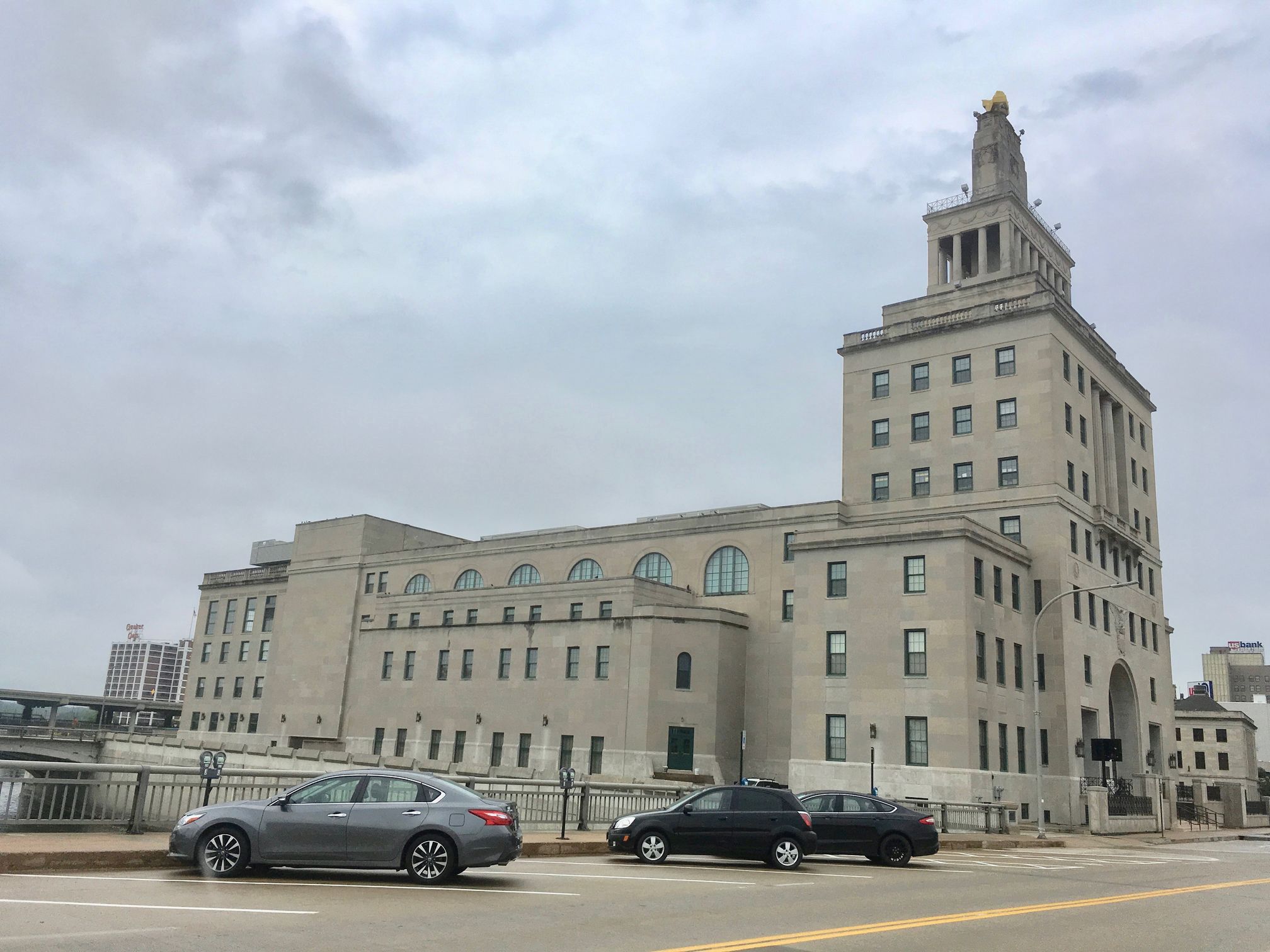
Managed and maintained by the Veterans Memorial Commission. The Veterans Memorial Building,
is on the National Register of Historic Places, and boasts numerous memorials
to U.S. Veterans with a magnificent stained glass window by artist Grant Wood.
A Cenotaph stands proudly atop the eight story section; an empty coffin stands
above the Cenotaph represents The Tomb of the Unknown Soldier. In 1926
Memorial Building architect Henry Hornbostel modeled the cenotaph Memorial
after the famous monument that stands in Whitehall, London, England. The
Commissions Museum and galleries contain over 2,500 artifacts, with many on
display in two galleries that flanks the stained glass window on the 1st floor.
The building, with its location on May’s Island in the middle of the Cedar River,
offers stunning views from the ballrooms.

  • Dedication Date: 1924
  • Robert Tait McKenzie
Woodbury High School, N. Broad Street & Newton Avenue
08096 Woodbury
NJ
USA

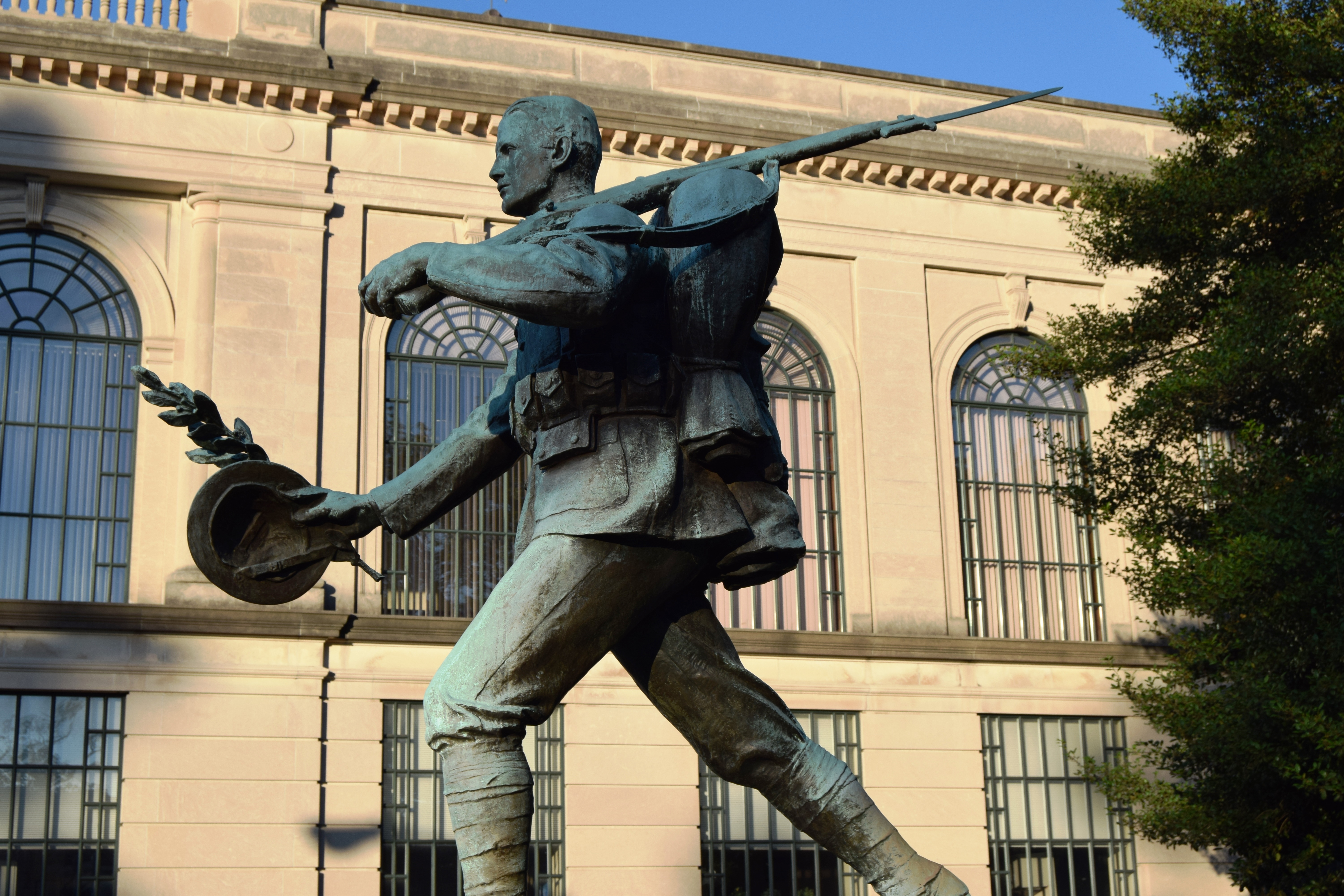
This World War I memorial of a bronze doughboy is depicted striding forward with his rifle held over his left shoulder and a large pack on his back.  In his extended right hand, he carries his helmet and an olive branch. 

The memorial was erected in 1924 under the sponsorship of the local chapter of the Daughters of the American Revolution, who raised $10,000 in contributions from the community. 

The figure was designed by Robert Tait McKenzie of Philadelphia; the Indiana limestone base by Paul P. Cret, head of the Department of Architecture at the University of Pennsylvania.

Narrative adapted from James D. Carpenteer, “History of Woodbury” (1936) and Smithsonian Institution Research Information System (SIRIS) inventory #77002574.

Photos courtesy of:  NJ State Historic Preservation Office

  • Arch
Macarty Square
70117 New Orleans
LA
USA

The Victory Arch

100 Cities / 100 Memorials

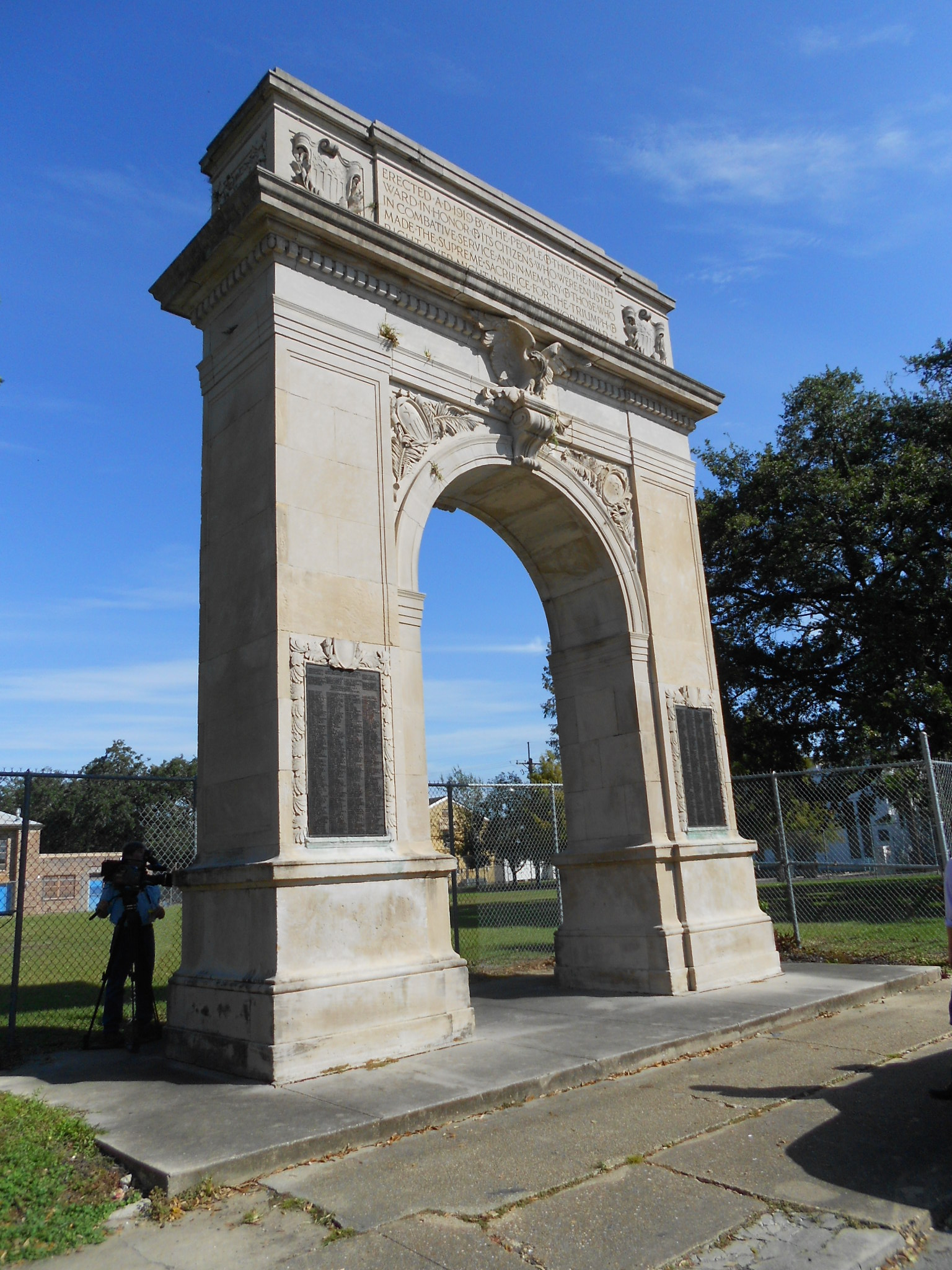
100c 100m wwi centennial plaqueFollowing the end of the Great World War, the citizens of the Ninth Ward of New Orleans erected a "Victory Arch." The carved stone arch, reminiscent of the ancient triumphal arches of the the Roman Empire (such as the Arch of Titus), was originally located in the center of Macarty Square, bounded by Alvar, N.Rampart, Pauline, and Burgundy Streets. In 1951 it was moved to the edge of the square near Burgundy Street, where it remains today.
Inscription: Erected A.D. 1919 by the people of this the Ninth Ward in honor of its citizens who were enlisted in combative service and in memory of those who made the supreme sacrifice for the triumph of right over might in the Great World War.

  • Memorial Hunters Club Submission: Lori
Memorial Drive
66044 Lawrence
KS
USA

The Victory Eagle

100 Cities / 100 Memorials

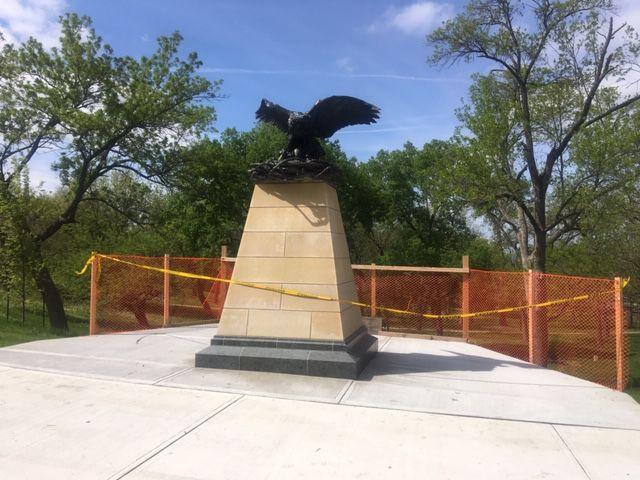
100c 100m wwi centennial plaqueOriginally located at the Douglas-Leavenworth county line, the Victory Eagle was rededicated in May 2019 and moved to Memorial Drive on the University of Kansas campus. This bronze sculpture, cast in 1920, was a part of the Victory Highway project, which intended to place these sculptures at each county line of U.S 40. A plaque at each sculpture would list those from the county who had served during WW1. The Great Depression disrupted these plans, and only six victory eagles were installed. After having been vandalized and toppled in the early 1980s, the sculpture was moved from the county line to the university campus. The original plaque has been lost to history, as has the name of the artist and foundry.

  • Memorial Hunters Club Submission: The Wanderer
1552 Wendover Blvd.
01532 West Wendover
NV
USA

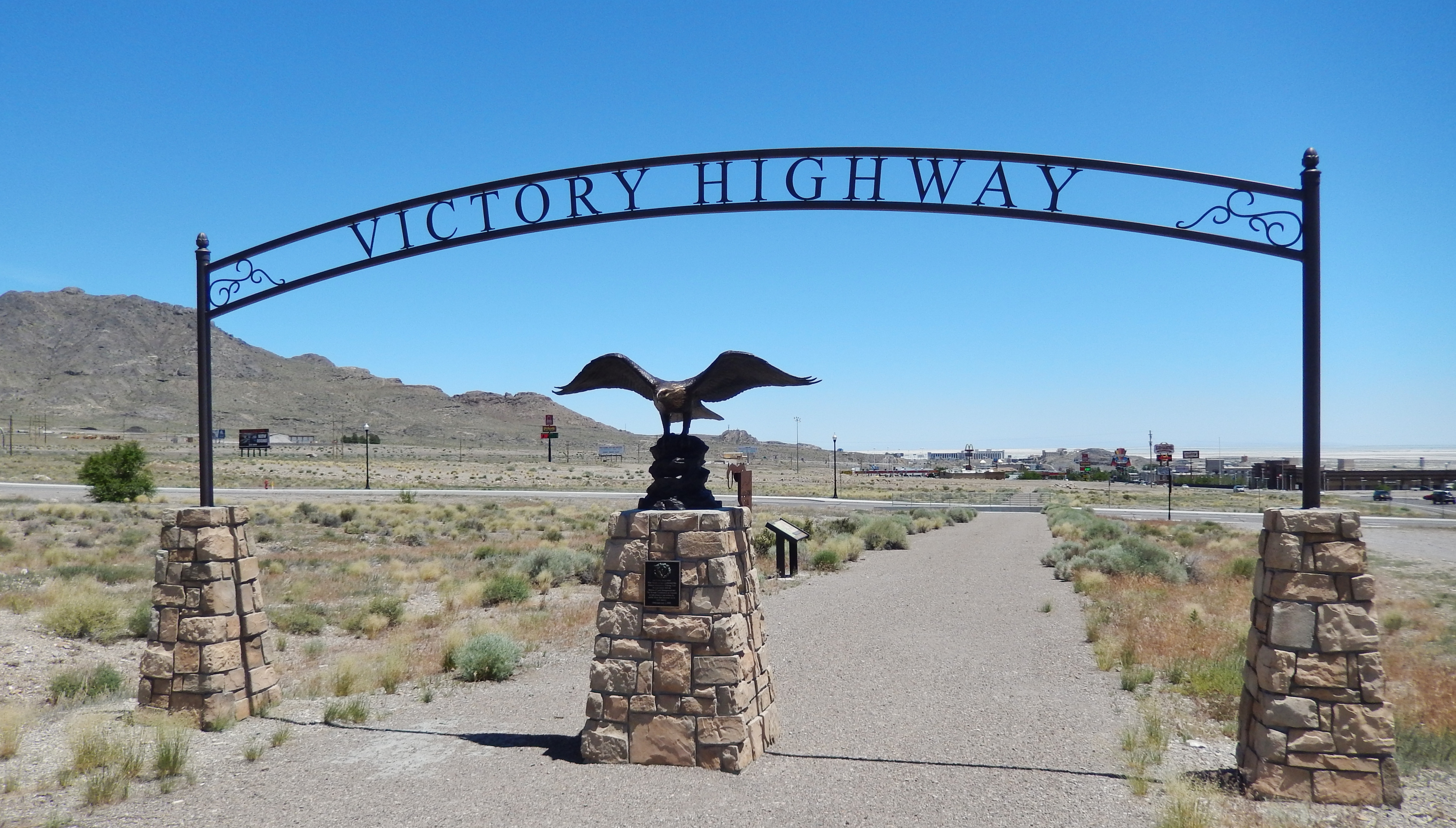
The Victory Highway monument is a representation of the earlier bronze eagle markers of the 1920s. Original eagle markers were to be located at each county line with a plaque dedicated to the sons and daughters who served their country in World War I, sacrificing their lives for our freedom. Only five original bronze eagles are known to be in existence, two in Kansas and three in California. The Victory Highway is a near-forgotten relic of the early 20th century roadways, a path traversed by early auto-pioneers from the Atlantic to the Pacific Oceans. The road you are standing on today was completed in 1925 and used until the 1940s. Highway U.S. 40 replaced the Victory Highway to the south, which is now known as Wendover Boulevard. The arch represents the Victory Highway sign, used at the only documented official ceremony opening the Victory Highway. The ceremony took place on June 25, 1925, just east of Wendover on the Bonneville Salt Flats. Officiating were Utah Governor George Dern, Nevada Governor James Scrugham, and Secretary of Agriculture William Jardine.

The Victory Highway Association incorporated in Topeka, Kansas, late in 1921 to locate and mark a transcontinental highway. Victory Highway, dedicated to American Forces who died in World War I, traversed the United States from New York City to San Francisco. In 1925, the transcontinental route offered a panorama of the mid-section of the country that epitomizes the western expansion of the Nation from Colonial days to the present time. For 3,205 miles, this great motorway follows the same course, or one closely parallel, as that of the earliest settlers of the Ohio, Mississippi, and Missouri valleys, crossing 14 states in all. Less than 14 per cent or 788 miles of the highway was unimproved.

From Salt Lake City, the Victory Highway skirts around Great Salt Lake over the famous Wendover Cutoff. The crossing of the salt flats between Salt Lake City and Wendover on the Utah/Nevada border was costly, involving five years of labor. The remarkable engineering feat bridged what was once a great obstacle to transcontinental motor travel, the Bonneville Salt Flats. This accomplishment blazed a new auto-route across northern Nevada to Reno, parallel to the Lincoln Highway to the south. In the early to mid-twenties, only 81 miles of the 371 miles of the Victory Highway across Utah were paved, 107 miles consisted of gravel surfacing, and 183 miles were relatively unimproved. The Victory Highway was designated Route No. 40 by state and federal highway officials shortly after the Wendover Cutoff was completed, and the Victory Highway was used until it was replaced in the 1940s.

An original culvert to the east of this marker still exists today. When a newer portion of Highway 40 was constructed in the 1940s, this section of the Victory Highway, along with culverts, was left intact. Constructed of stone and galvanized steel, these culverts are a testament to the skills of road engineers and rock masons of the early 19th century.

100 N Washington Ave
10530 Hartsdale
NY
USA

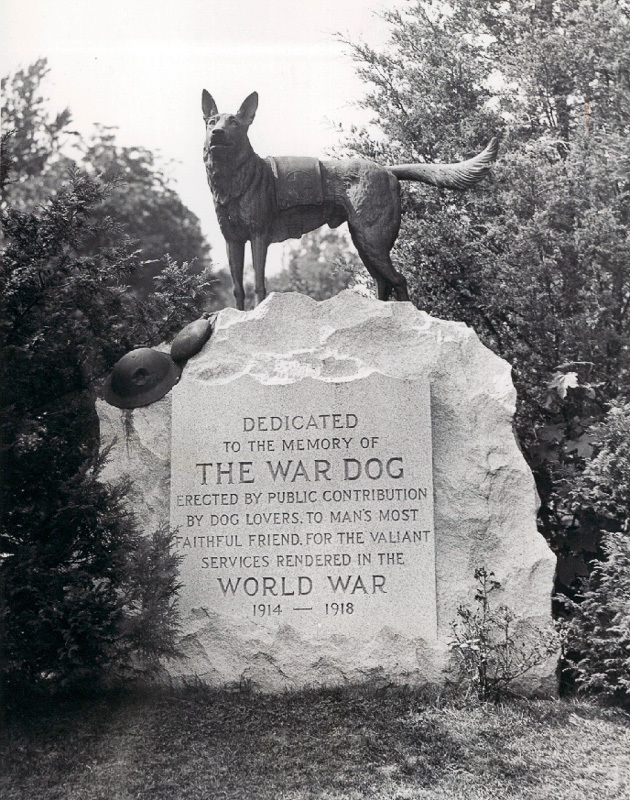
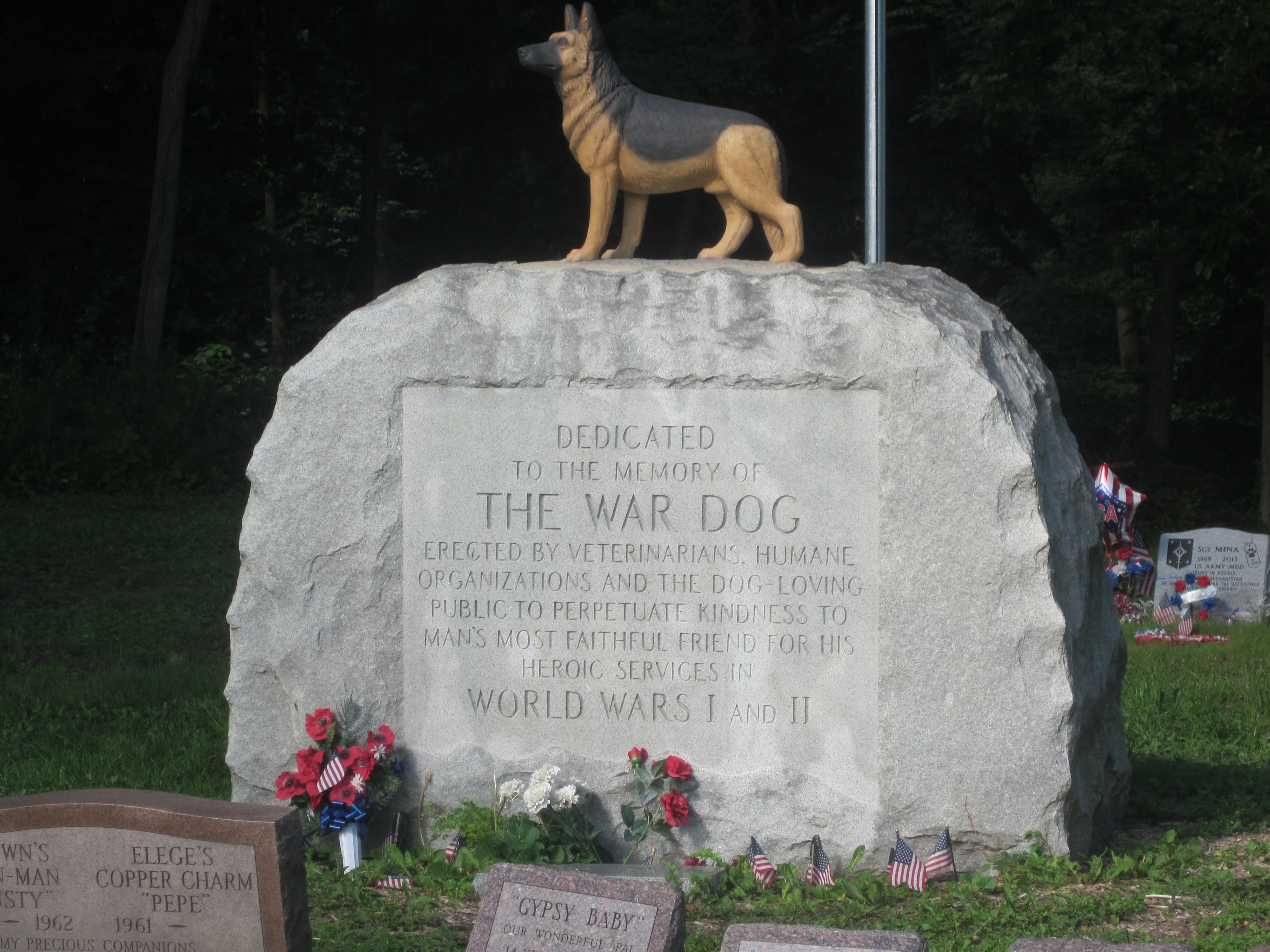
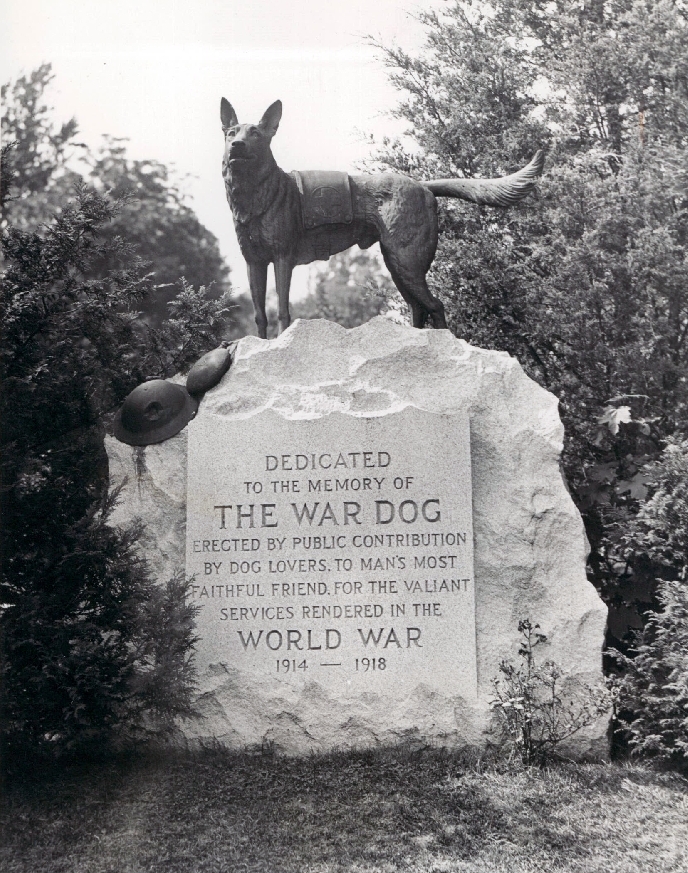
This is a bronze sculpture of a German Shepherd wearing a red cross blanket, standing atop a rough hewn granite boulder. The dog's ears are perked up and its tail is extended straight, in an alert stance. By its front paws are a canteen and a helmet with an indentation, perhaps a shrapnel hole.  The War Dog was dedicated in 1923 to honor the 7,000 military dogs killed during World War I.  The original cost of the monument was $2,500, which was considered to be an enormous amount of money at the time. It was designed by Walter A. Buttendorf and sculpted by Robert Caterson, a well-known designer and builder who had worked on many distinguished buildings including Grand Central Station in New York City.

DEDICATED TO THE MEMORY OF THE WAR DOG. ERECTED BY PUBLIC CONTRIBUTION BY DOG LOVERS TO MAN’S MOST FAITHFUL FRIEND FOR THE VALIANT SERVICES RENDERED IN THE WORLD WAR 1914 - 1918.

  • Single figure -- soldier
48178 South Lyon
MI
USA

The War Dog Memorial

The War Dog - Military War Dogs have been fighting alongside our men and women in uniform in many of our conflicts. In WWI they were called Ambulance Dogs, they were trained to find wounded soldiers in No-Man’s land after a frontal attack. In WWII they were trained in many disciplines; scout, tracker, sentry and messenger. According to Military records War Dogs saved 15,000 lives during this conflict.

In Korea there were only one War Dog platoon deployed consisting of about 28 dogs. Of those 28 dogs on patrol, thousands of ambushes were averted. Thousands of lives were saved. In Vietnam further disciplines were added to their training; explosive detection and booby traps. According to the Military they saved 10,000 lives during this conflict. In Iraq their main function were detecting IED's. Their other duties were sentry and road side check points. They continue on duty today in Afghanistan. There are currently 600 teams deployed saving lives every day.

 Today the War Dog is referred to as Military Working Dog (MWD)

  • Materials (select all that apply): Brick
  • Width: 45
  • Depth: 20
  • Dedication Date: 1923
  • $2,500
  • NY000953
  • Robert Caterson Monumental Works, fabricator
  • War dogs of World War I
  • Erected in 1923 in memory of the 7,000 military dogs that served in World War I, the monument also serves as a memorial to all military dogs, many of whom are buried in the Hartsdale Pet Cemetery. The sculpture was reportedly modeled after a dog, who with its owner, daily passed the office of designer Walter A. Buttendorf. The monument was funded with public contributions, including pennies from school children. The cemetery donated the parcel of land.
  • Caterson, Robert, sculptor
  • Single figure -- animal
75 North Central Avenue
Hartsdale/ Westchester
NY
USA

A German Shepherd wearing a Red Cross blanket stands on a rough-hewn boulder. The dog stands in an alert stance with head and ears perked up and tail extended nearly straight. A canteen and helmet lie below the dog's front paws. The helmet has an indentation, possibly representative of a shrapnel hole.

Erected in 1923 in memory of the 7,000 military dogs that served in World War I, the monument also serves as a memorial to all military dogs, many of whom are buried in the Hartsdale Pet Cemetery. The sculpture was reportedly modeled after a dog, who with its owner, daily passed the office of designer Walter A. Buttendorf. The monument was funded with public contributions, including pennies from school children. The cemetery donated the parcel of land.

  • Memorial Hunters Club Submission: Robert Shay, PH3, USNR-R, 1964-70
231 Lamar Ave
75460 Paris
TX
USA

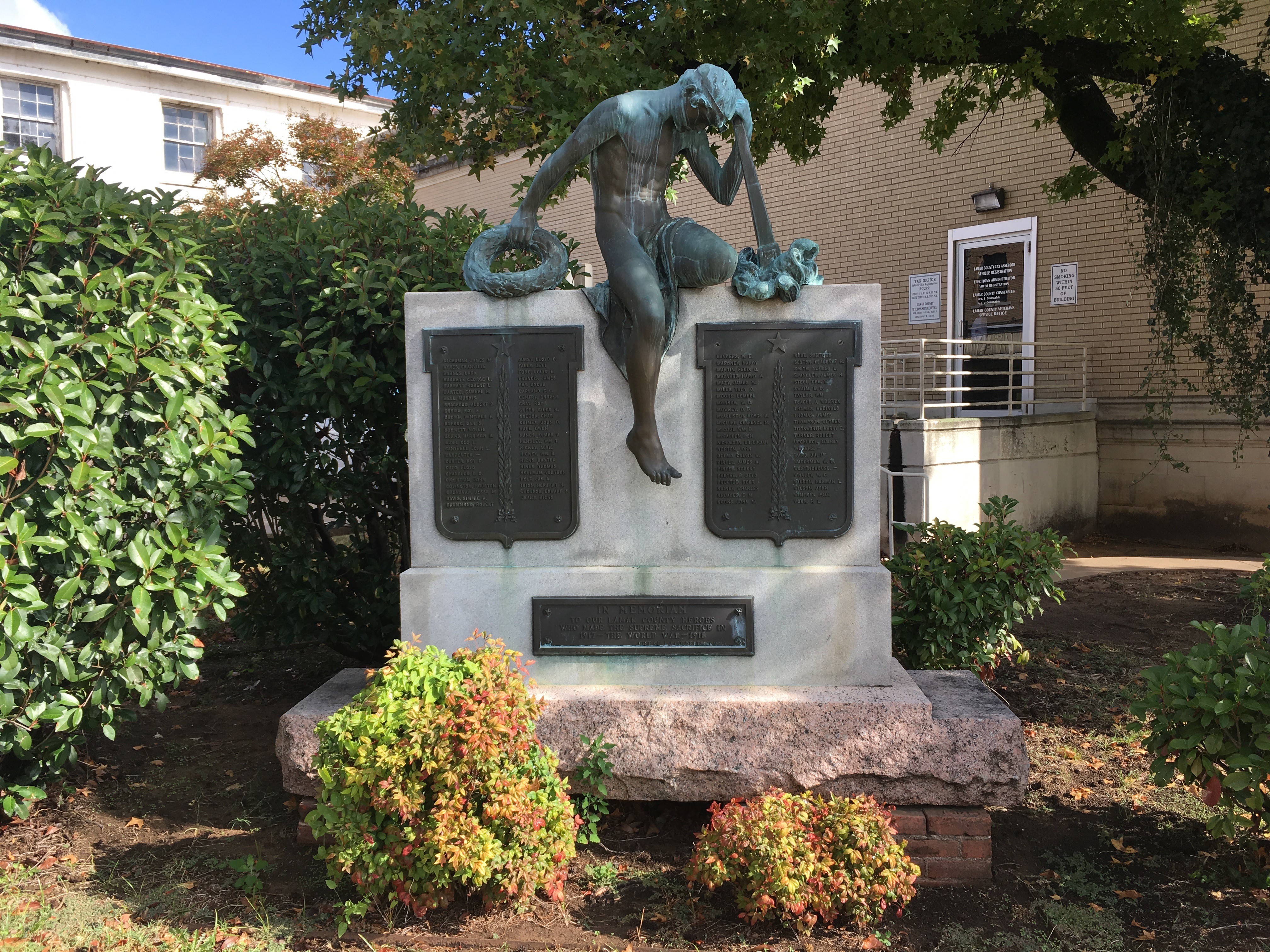
Honoring the Lamar County men who died in “The War To End All Wars,” this unique design is a somber memorial compared to the more common “Doughboy” statues seen around the United States. The extinguished torch symbolic of young lives cut short. Designed by architect J. L. Wees. Funded by John James Culbertson, local philanthropist. Dedicated 1925

Located at: 231 Lamar Ave., Paris, TX