


































Museums and Libraries
"The centennial of World War One offers an opportunity for people in the United States to learn about
and commemorate the sacrifices of their predecessors."
from The World War One Centennial Commission Act, January 14, 2013
Museums and libraries across the nation are mounting exhibitions and programs covering all aspects of the World War One experience and heritage of the United States. To add your museum or library to this page, send an email to the webmaster with the relevant information. (See disclaimer.)

- Details

Located on Mitchel field, a former military airfield founded in 1917. the museum interprets the history of aviation and spaceflight as it relates to Long Island, NY, people, places, events and corporations. To this end it has assembled a collection of 65 aircraft and spacecraft, most of them locally produced. It's World War One Gallery houses several original and reproduction aircraft as well as numerous objects.
- Details

- Details
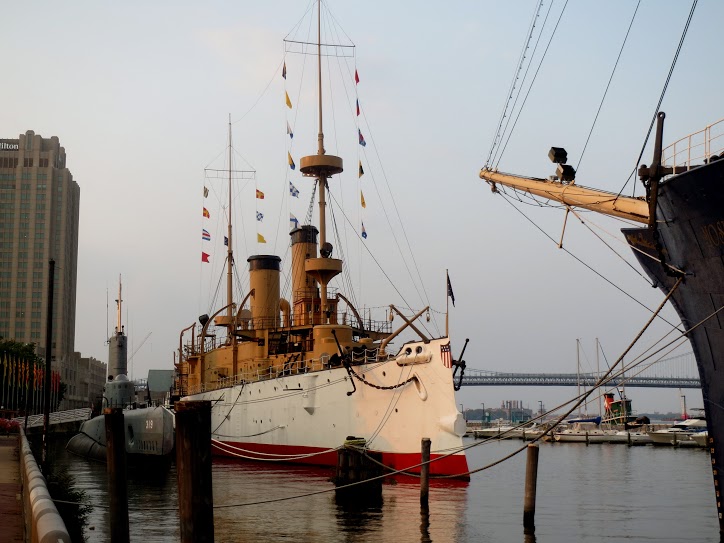
The Olympia carried the U.S. Unknown Soldier from WW1 back from France. Olympia was Admiral Dewey's flagship at the Battle of Manila Bay in May, 1898. Moored along the Delaware River at Penn's Landing at the foot of Spruce Street alongside the WW2 submarine Becuna, launched 1944.
There is an admission charge to go on board and tour the ship. However, you can see the ship without charge from the Penn's Landing walkway along the river, reached via the public streets and sidewalks. You can reach the Olympia at Penn's Landing via Columbus Blvd. or the Spruce St. or Dock St. walkways.
Independence Seaport Museum is open daily from 10 a.m. to 5 p.m. The Museum will be CLOSED every Monday from January 9 - March 2017 with the exception of holidays.
Between Memorial Day and Labor Day the Historic Ships will be open until 7 p.m. on Thursdays, Fridays and Saturdays
The Museum is closed Thanksgiving Day, Christmas Day, and New Year's Day.
See the museum's web site for further details.
- Details
- 1916
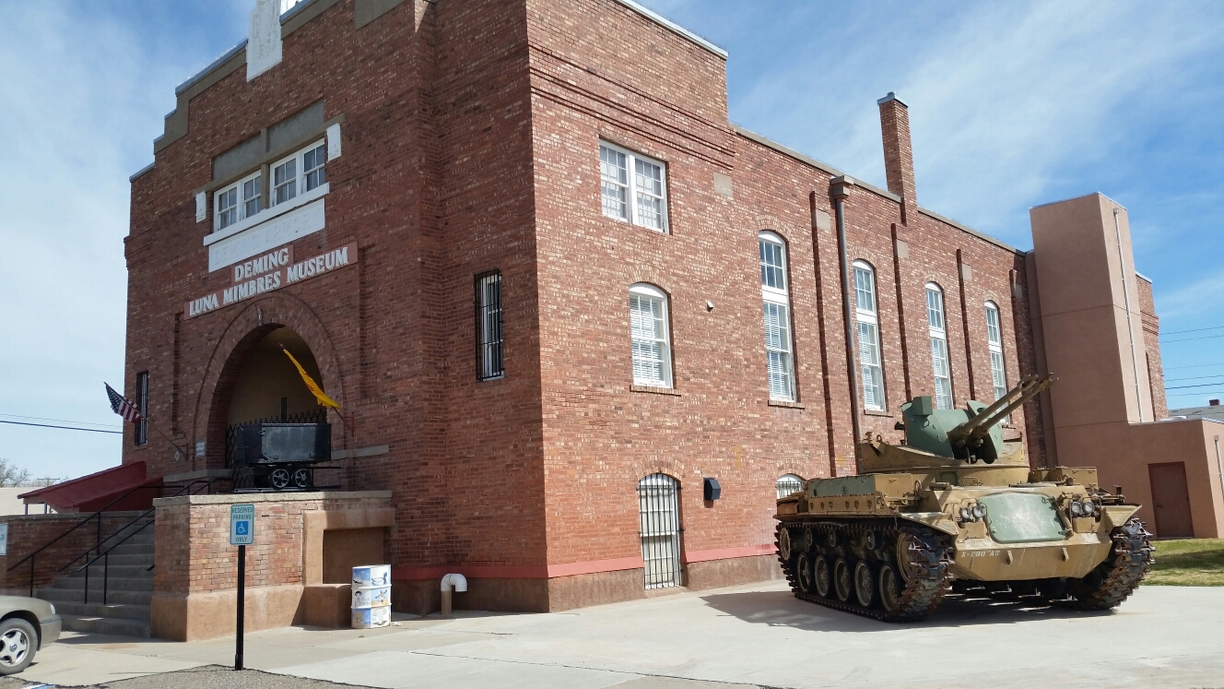
The old National Guard Armory building was purchased from the State of New Mexico in 1977. The building itself was built in 1916, the first armory to be completed in the new State of New Mexico (at that time only four years old.) Even before the building was finished, troops were mustered here in May 1916 to defend the border with Mexico as Pancho Villa’s raid on March 9, 1916 had made the residents of this area very uneasy. The building’s walls are 13 inches thick.
- Details
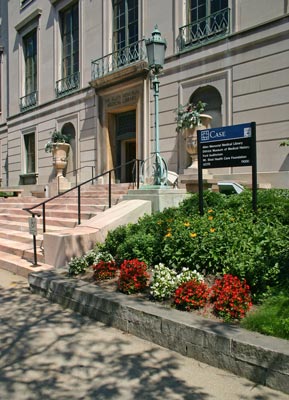
The Dittrick Medical History Center explores the history of medicine through museum artifacts, archives, rare books collections, and images. The Dittrick is an interdisciplinary study center in the College of Arts and Sciences at Case Western Reserve University, but we are open to the general public and charge no admission.
The Dittrick holds a large collection of photographs and records documenting the history of the Lakeside Unit, the first U.S. medical unit to go overseas in 1915. The museum has created a website about the Lakeside Unit. In Spring 2016 the Museum will mount an exhibit about the Unit's "mock" mobilization in Philadelphia (this is featured on the website) in conjunction with a lecture entitled "Feeding War: Gender, Health, and the Mobilized Kitchen in WWI Germany". In Spring 2017 an exhibit will be mounted about the Unit's mobilization to Rouen, France (Base Hosp. 4) after the US entered the war.
- Details
(334) 567-5097
Monday: Closed
Tuesday: 10 a.m. - 3 p.m.
Wednesday: Closed
Thursday: 10 a.m. - 3 p.m.
Friday: 10 a.m. - 3 p.m.
Saturday: 10 a.m. - 3 p.m.
Sunday: Closed

- Details
- American Legion post
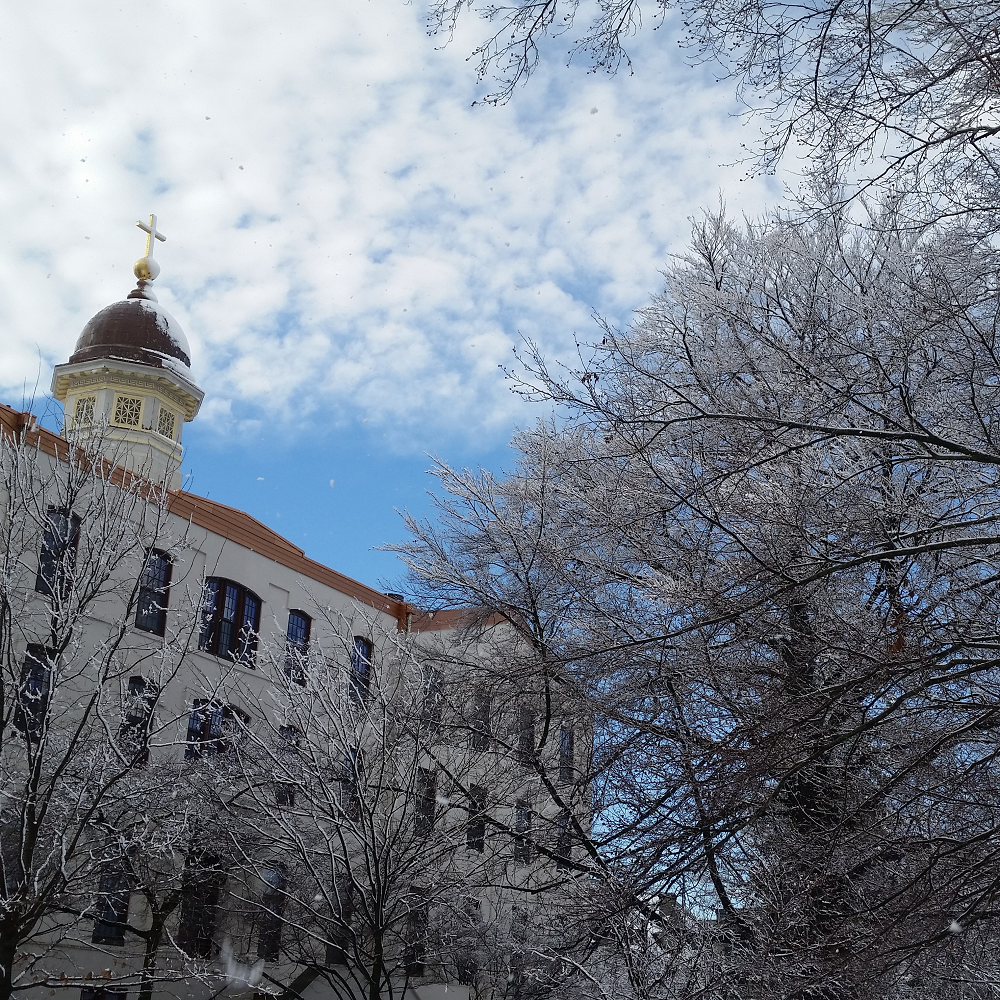
Villanova University's Special Collection has extensive collections dealing with the Great War, in particle popular aspects of the conflict such as war time fiction, pro-German newspapers, pamphlet literature, and Irish and Irish American materials. These are all available to the researching public.
As well, the University is hosting a number of exhibits and events.
- Details
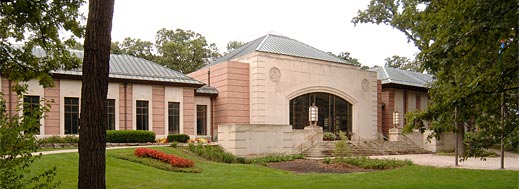
Walk in heroes’ boots as you take your first step into the First Division Museum and become a part of the “Big Red One,” the U.S. Army’s 1st Infantry Division. Be captured by the sights, sounds and soldiers’ stories from the Revolutionary War through Desert Storm. Watch and learn as the history of our nation’s conflicts unfolds in this distinctive museum that will be enjoyed by the whole family. Outside, explore the museum’s iconic tank park featuring 100 years of armor. Come see what made the 1st Infantry Division famous.
- Details
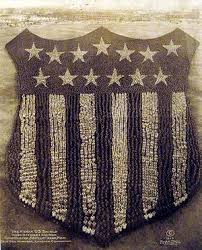
The Fort Custer Historical Society PH 269-731-6555 This is a military base so you have to call to get approval to enter at least 48 hours in advance!
The Fort Custer Historical Society is responsible for establishing and managing the museum in an old WWII barracks, Building no. 2631, at Fort Custer. The building was moved to its present site where it was restored to its near original condition. Since that time, a dedicated group of individuals headed by Michigan National Guard Colonel (Retired) James Spackman has stepped forward to continue the efforts and prepare the facility for its grand opening in 2012.The museum will highlight the units that have been part of the Fort Custer history since the post was established in 1917 as Camp Custer. Some of these include the 85th Division in World War I, the 5th “Red Diamond” Infantry Division in World War II, the 339th “Polar Bear” Regiment, which served in northern Russia at the end of the First World War, and the World War I 14thDivision, (Regular Army). This unit was popularly known as the "Wolverine Division”. It was organized and demobilized at Camp Custer at the end of the war and was never sent into battle.
It will also place emphasis on the follow-on years of the training facility i.e., the Civilian Military Training Camps of the 1920s, Civilian Conservation Corps era (1933-1942), World War II, Korea, Vietnam, and present day. In particular, it will address the history of the Michigan Army National Guard from 1805 to present. Included will be Michigan in the Civil War, the 32nd “Red Arrow” Division in the First World War, Michigan Units in the Pacific and European Theaters during World War II, and today’s Citizen Soldier. It will also cover the Custer years, the Spanish American War, and the formation of the Michigan State Troops Permanent Force, (also known as the Michigan State Constabulary).
It will pay tribute to the lives of individual soldiers who served at the post, the German Prisoners of War, the establishment of the Fort Custer National Cemetery, and Harmonia, the land area purchased by the government for the construction of Camp Custer.
- Details
- Details
- Photos courtesy of Lamar Veatch
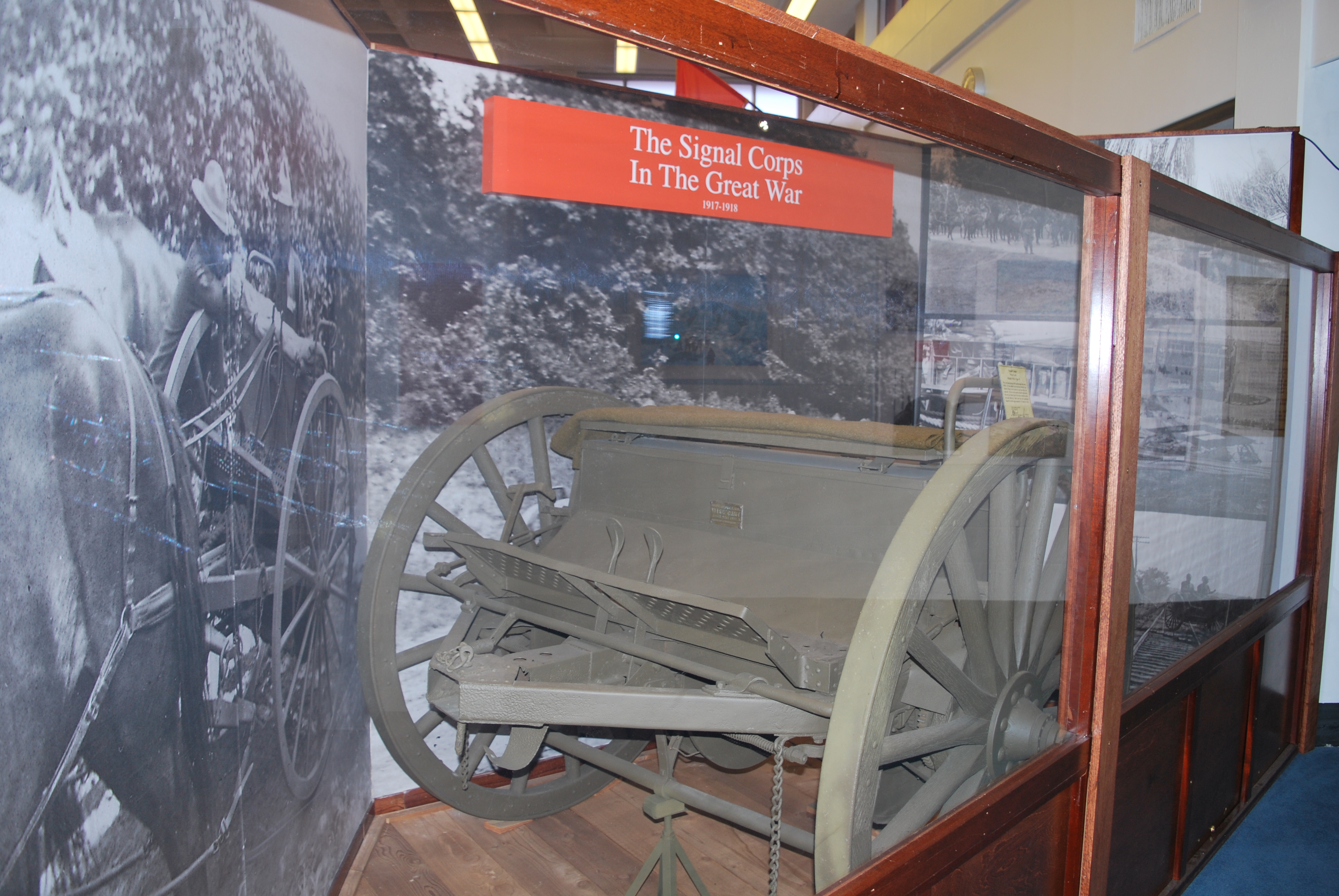
- Details
- Photos courtesy of Lamar Veatch
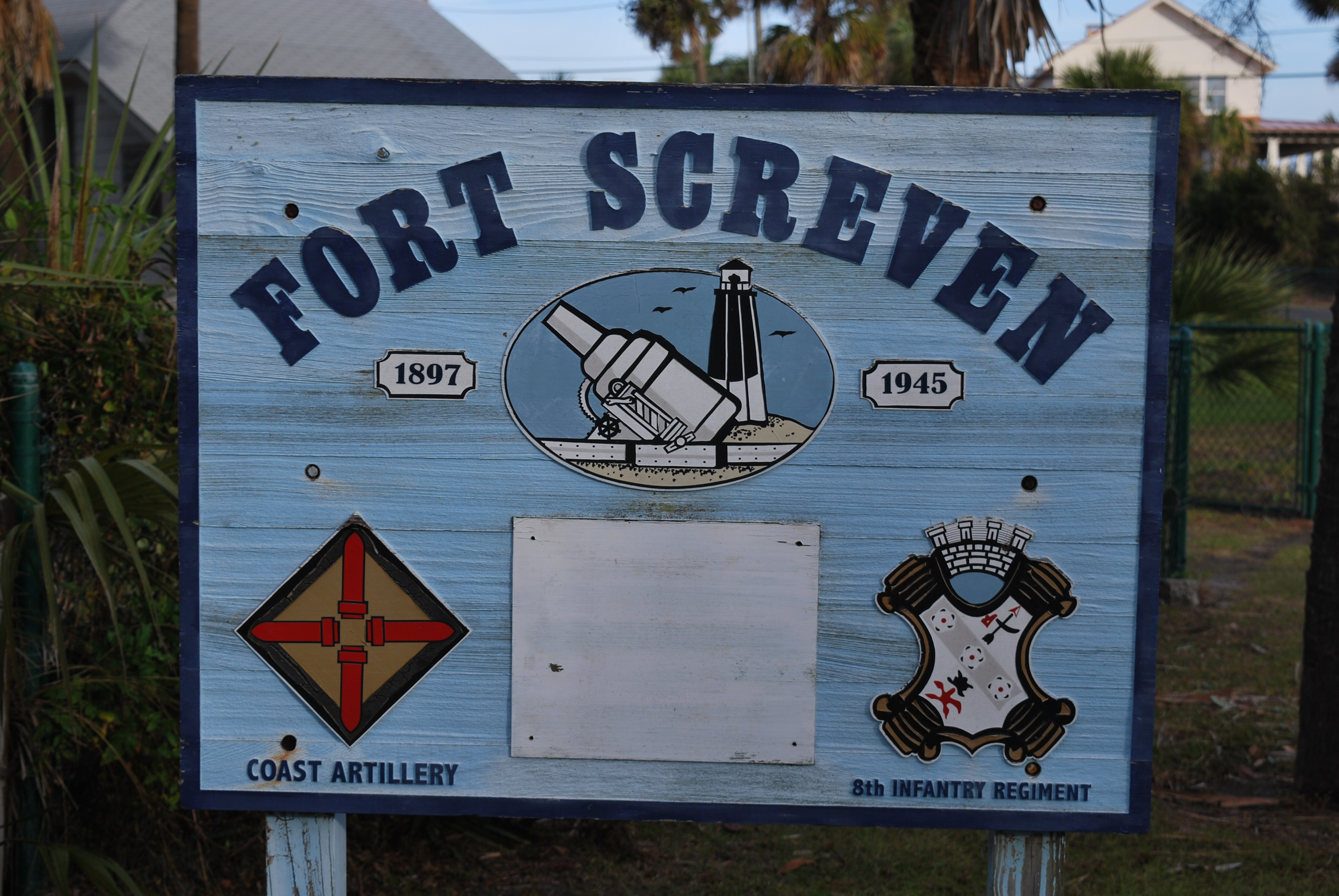
In 1786, the Georgia Legislature approved the creation of a fort on Cockspur or Tybee Island, to be named in honor of Revolutionary War hero General James Screven. The fort was never built by the state, but in 1808 the property fell under the jurisdiction of the Federal government as the Fort Screven Reservation.
In 1855, the government approved building Fort Screven on the north end of Tybee to provide modern coastal defense. Six poured-concrete, low-profile gun batteries (named for war heroes) and a minefield were ordered for Tybee along with hundreds of other military buildings. From 1897 to 1947 the fort was an integral part of America’s Coastal Defense system. Troops stood guard on Tybee through the Spanish American War of 1898, World War I and World War II. The Fort was closed in 1947 and sold to the City of Tybee and tourism returned as a major part of Tybee’s history. By the 1950s many of the fort’s buildings had been converted for use by private owners.
In 1961, Battery Garland, the former gun battery and magazine for a 12-inch long-range gun, became the Tybee Island museum. A room that once stored six hundred pound projectiles and two hundred pound bags of gun powder, now holds the collections and exhibits of more than 400 years of Tybee Island history. It is the location of the only shot fired in anger in Georgia during World War I.
Today, the abandoned and silent concrete bunkers stand side-by-side with fine beachside homes. Visitors marvel at the private residences nestled atop the fort’s walls, the magnificent ocean and river views and the fort that played a role in so many phases of American history.