Doughboy Foundation Home
transition01.jpg
transition03.jpg
Belvedere-Stone-View-3.jpg
Belvedere-to-Sculpture.jpg
Belvedere-Stone-View-1.jpg
Rendering-2.jpg
Rendering-3A.jpg
Rendering-4.jpg
Rendering-5.jpg
Terrace-Planters2.jpg
_P3_3855_250118-Edit_250118.jpg
_P3_3934_250118_250118.jpg
_P3_3941_250118_250118.jpg
previous arrow
next arrow

New Jersey

Geolocalisation bp
  • Width: 3 ft
  • Depth: 3 ft
  • NJ 000149
  • Eagle Bronze Works
Police Station, Central & Broad
07650 Palisades Park
NJ
USA

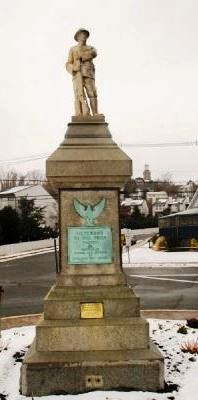
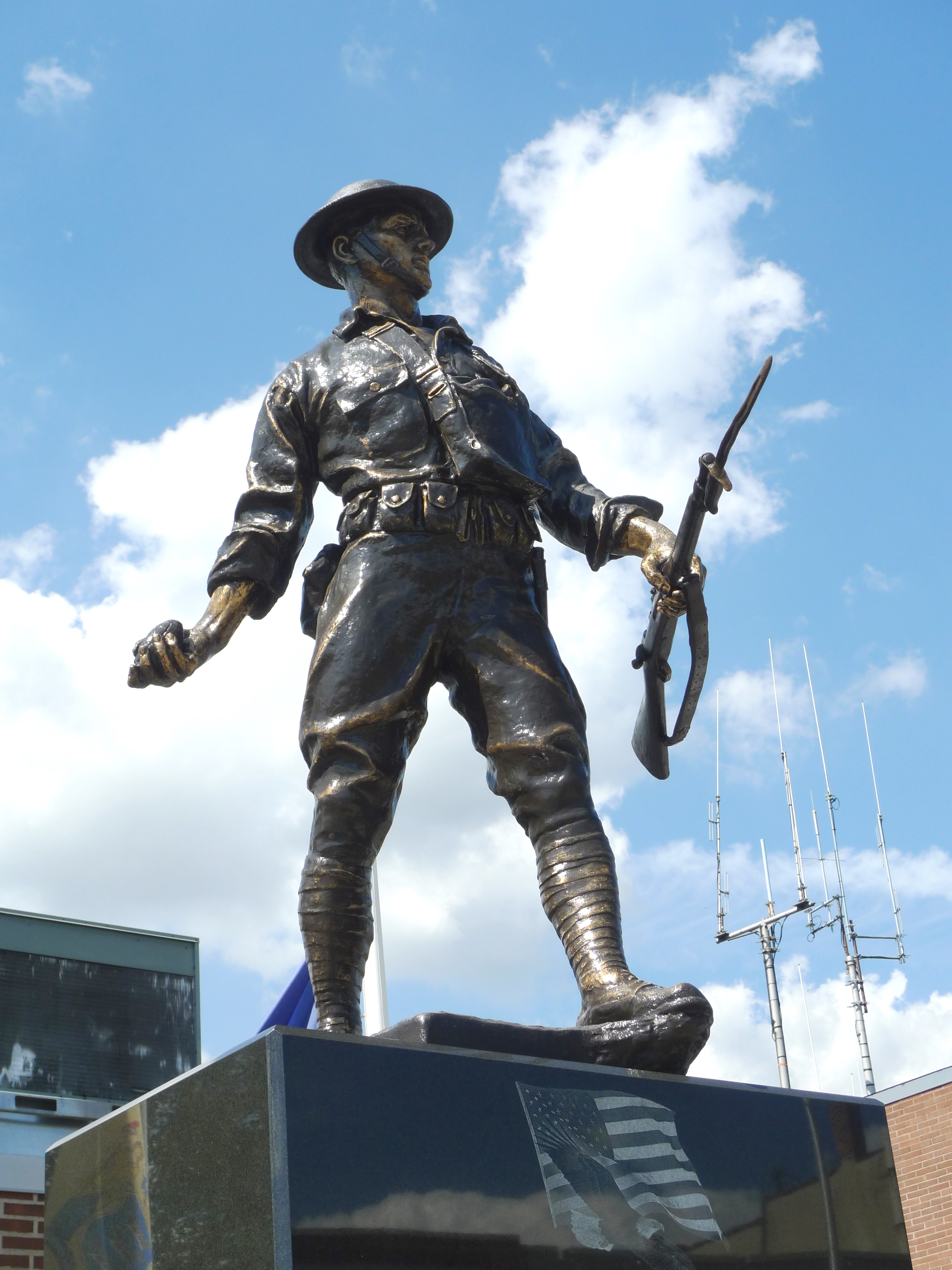
This monument consists of a bronze WWI soldier in uniform holding a rifle in his left hand & a grenade in his right hand.  He wears a helmet, shirt, belt with packs, pants & boots.

It appears this statue was recently moved from its original granite base to the current polished black stone, 3-tiered base. 

The original bronze honor roll plaque has been restored and mounted on a separate, nearby stone pillar. 

Photos courtesy of:  NJ State Historic Preservation Office

  • Dedication Date: 1920
Routes 33 & 526
Robbinsville
NJ
USA

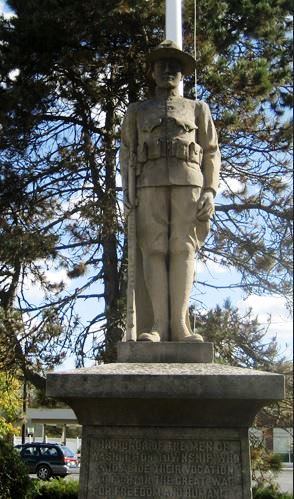
This World War I doughboy statue is fabricated from concrete - one of four in the state of NJ using that material.  The 7' figure stands atop a 10' tall, square pedestal inscribed with the names of 15 men from Washington Township, NJ who served in The Great War. 

The land for the memorial was donated by resident & Civil War veteran, John Yard in 1919.  The monument was purchased from LL Manning & Son, a Plainfield, NJ monument company.  It was unveiled on October 16, 1920 with more than 1,000 people in attendance. 

Narrative adapted from Cathy Zahn, "Nearly a Century Old, but Doughboy's Message of Patriotism is Timeless," Robbinsville Sun website.

Photo Credit:  Sheena Chi

  • Dedication Date: 1926
  • NJ 000307
  • J.W. Fiske Iron Works
  • Gaetano Federici
Wanaque Borough Hall, 579 Ringwood Ave
07465 Wanaque
NJ
USA

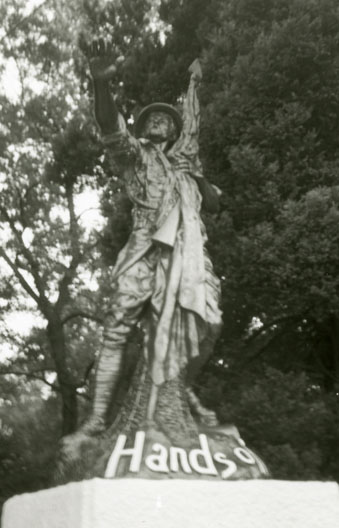
This version of a doughboy was sculpted by Italian-American sculptor Gaetano Federici who emigrated to the United States and settled in Paterson.

The memorial consists of a statue of a World War I soldier mounted on a rectangular base. The base is flanked by four steles commemorating other wars. The soldier is painted bronze and stands with a rifle, butt end down in his left hand. At his side, he holds a grenade in his clenched right fist. The sculpture is mounted on a square base with a commemorative plaque on the front. It was originally dedicated on Memorial Day 1926 on the grounds of the community house in Midvale.

Narrative adapted from Smithsonian Institution Research Information System (SIRIS) inventory #NJ000307.

Photo courtesy of: Smithsonian Institution Research Information System (SIRIS)

  • Width: 2 ft
  • Depth: 2 ft
  • NJ000175
Highland Avenue & Portland Road (Rt. 36 East)
07732 Highlands
NJ
USA

A World War I soldier stands at parade rest. Both hands clutch the barrel of his rifle, the butt of which rests on  the ground.  He wears a helmet, shirt, pants and boots and leans his right leg against a stump.  He stands atop a granite, multi-tiered base.  The front of the base contains a plaque honoring the veterans of Highlands.

Narrative adapted from Smithsonian Institution Research Information System (SIRIS) inventory #NJ000175.

Photos courtesy of:
Full monument - RC & Historical Marker Database
Detail - NJ State Historic Preservation Office

  • Dedication Date: Purchased 1921
  • American Legion post
210 Main Street
07005 Boonton
NJ
USA

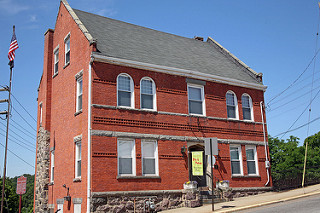
Dr. John Taylor lived in this house and practiced medicine here. The Colonial Revival design of the house reflects a reaction against the ostentatious residences of the Victorian era.

The house was purchased by the Town of Boonton in 1921 as a memorial to World War I veterans. It served as the Town Hall until 1965 and is now the home of American Legion Post 124 and the Boonton Historical Society.

Narrative adapted from Morris County Heritage Commission website.

Image courtesy of: Dan Beards, Morris County Heritage Commission

07442 Pompton Lakes
NJ
USA

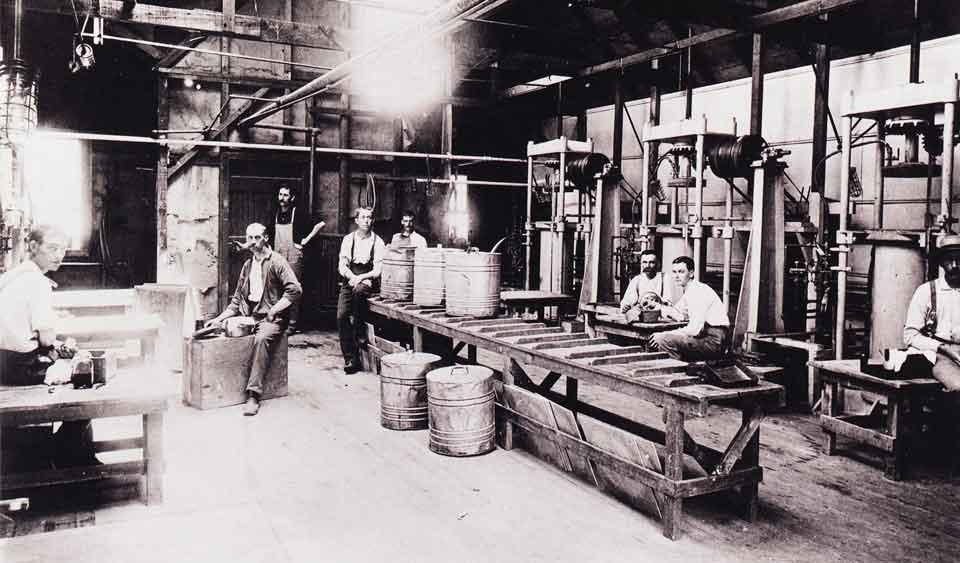
DuPont Company owned & operated gunpowder manufacturing operations in Pompton Lakes beginning in 1902.  With the onset of World War I, DuPont was producing huge quantities of powder in 1917, increasing employees to 7,500. 

Production included:blasting caps, detonating fuses, boosters, primer and an unknown quantity of hand and rifle grenades.

A housing boom occurred, with many homeowners converting residences to rooming houses for workers.  DuPont built a dormitory colony near the current site of Pompton Lakes High School.  The impact was dramatic, and Pompton Lakes became known as a 'company town.' 

The current Pompton Lakes Salvation Army building is an extension of one of the dormitories.

Narrative adapted from Federal Agency for Toxic Substances & Disease Registry.

Photo courtesy of:  DuPont Company 

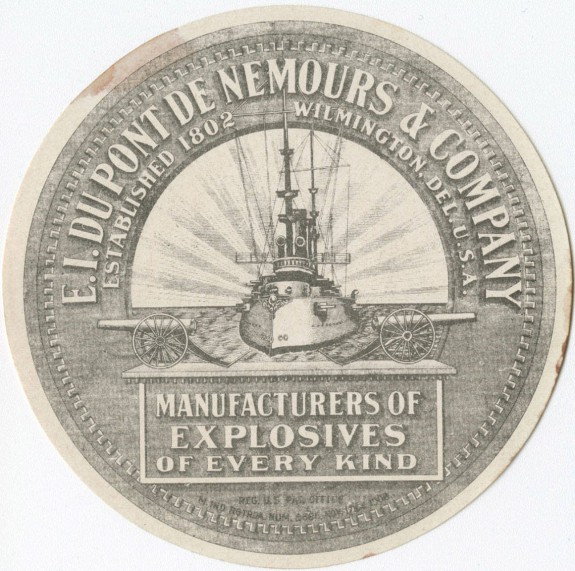
DuPont's Powder Company located on Carneys Point, NJ existed since 1892.  With the World War I defense boom, DuPont had expanded the plant to 67 times its prewar capacity and employed 25,000 workers by 1917. The town of Carneys Point largely developed in the prewar and war era to provide housing for plant employees.

Narrative adapted from DuPont Company website. 

Photo courtesy of:  DuPont Company

Presbyterian Church Cemetery, 443 Route 513
07830 Califon
NJ
USA

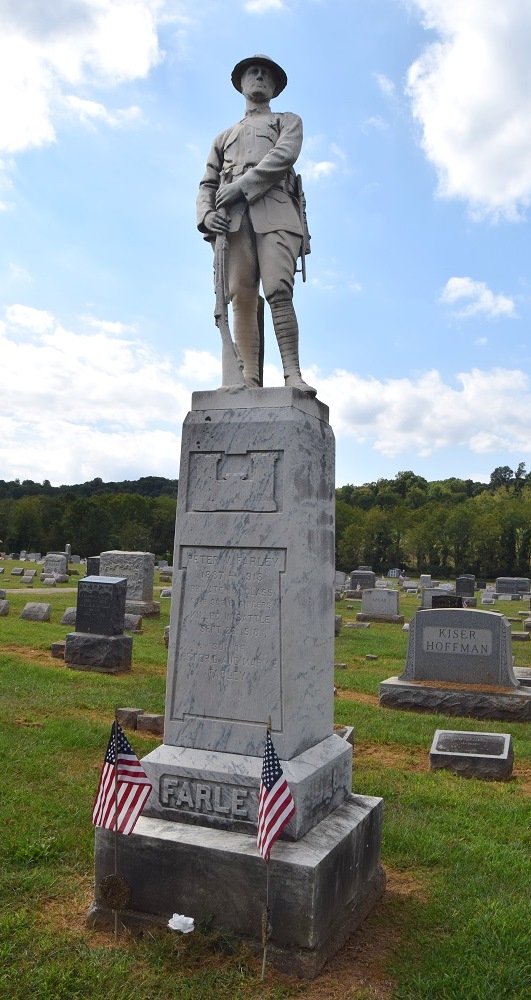
This marble sculpture, located within the Presbyterian Church cemetery, was erected in memory of Peter V. Farley who died in battle on September 26, 1918.  The monument consists of a uniformed WWI doughboy, standing at rest, holding the barrel of a rifle with both hands, the butt resting at his feet.  The figure is placed on an attenuated granite base. 

Narrative adapted from Smithsonian Institution Research Information System (SIRIS) inventory #NJ000235.

Photos courtesy of:  NJ State Historic Preservation Office

  • Dedication Date: 1917
07032 Kearny Point
NJ
USA

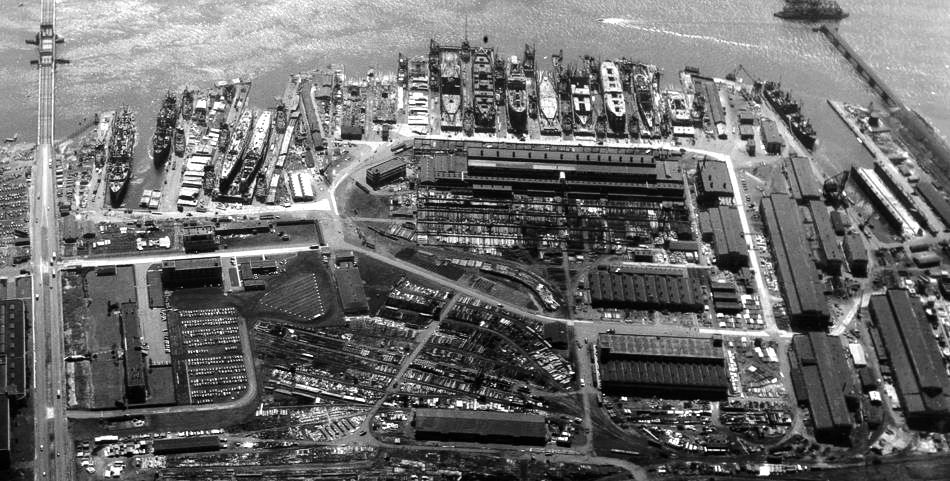
Federal Shipbuilding was located at Kearny Point, NJ, immediately north of the confluence of the Hackensack & Passaic Rivers at the head of Newark Bay.  It is approximately 3 miles from present-day Newark Liberty Airport.

A subsidiary of the United States Steel Corporation, it was incorporated July 24, 1917 to construct steel ocean-going vessels. Its World War I output was cargo ships produced for the Emergency Fleet Corporation to carry supplies to the European theater of war.

The Federal Shipbuilding Yard at Kearny was built quickly, and 30 vessels of 10,000 ton capacity were constructed in a short time.  The first keel was laid at the Federal yard on November 14, 1917. The first vessel, Liberty, was launched at Federal Shipbuilding June 19, 1918, and delivered to the Shipping Board on October 5, 1918.  The War ended a few weeks later. 

Narrative adapted from Global Security website. 

Photos courtesy of:
Aerial view, 1945 - US Navy Bureau of Aeronautics
Federal Shipbuilding workers - Howard Liberman, Library of Congress

  • Dedication Date: 1920
40 S. Fullerton Avenue
07042 Montclair
NJ
USA

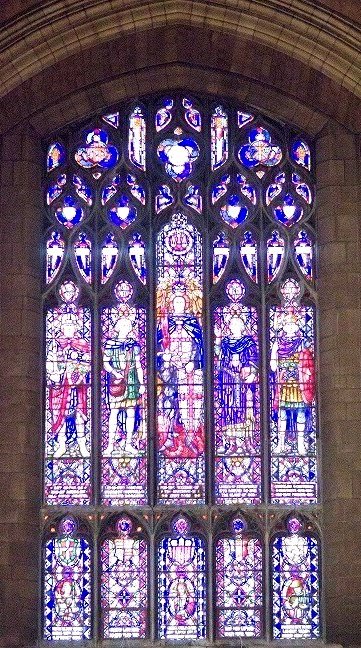
The stained glass nave windows of Montclair, NJ's First Congregational Church were created with the church's construction in 1920 as a memorial to the nine church members who died in World War I. 

Photo courtesy of:  First Congregational Church

07732 Middletown
NJ
USA

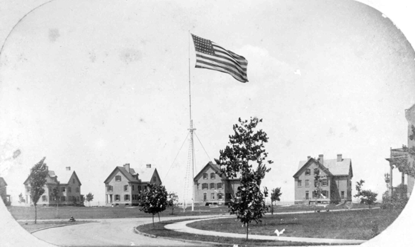
Fort Hancock is located on the north end of Sandy Hook, a narrow Monmouth County peninsula that extends into New York Harbor. Constructed as an installation to defend the harbor from attack, it recently became part of the Gateway National Recreation Area. 

Sandy Hook has played a role in defense as far back as the American Revolution when it served as a base for the Royal Navy in the American Colonies. It became a fort during the Civil War, and in 1888, it was converted to a coastal defense installation. The fort was used to test some of the newest long-range guns in the American arsenal. As additional fortifications and gun emplacements were constructed, facilities for fort personnel were needed, and its first 38 buildings were completed in 1899.

In World War I, the fort continued to be used for coastal defense and featured nine mounted disappearing guns, as well as some of the first searchlights to locate ships in the harbor at night. The last defense system at the fort was a Nike missile battery, phased out in 1974.

Fort Hancock is now part of the Gateway National Recreation Area and is open to visitors year round. A fee for entry is collected during the summer months.

Narrative adapted from Thomas Hoffman, Images of America: Fort Hancock; Arcadia; 2007. 

Photo courtesy of:  National Park Service

  • Dedication Date: 1920
Somerset County Courthouse
08876 Somerville
NJ
USA

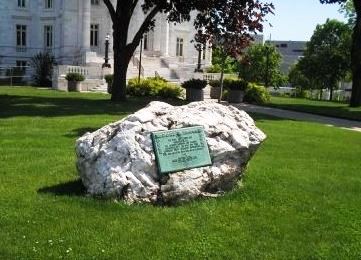
This WWI plaque is mounted on a mortared stone "boulder" on the grounds of the Somerset County Courthouse.  The bronze plaque contains the American Legion logo flanked by L-shaped garlands with flower corner blocks. 

The plaque reads, "To the citizens of Somerville in appreciation of their hospitality in 1917 to the Fourth New Jersey Infantry. We also speak for those who sleep in France."

It was presented by the Fourth Infantry Post of the American Legion on Decoration Day 1920. 

Photos courtesy of: 
"Boulder" - Bill Coughlin & Historical Marker Database
Plaque - RC & Historical Marker Database

  • Dedication Date: 1938
French & Jersey Streets
08901 New Brunswick
NJ
USA

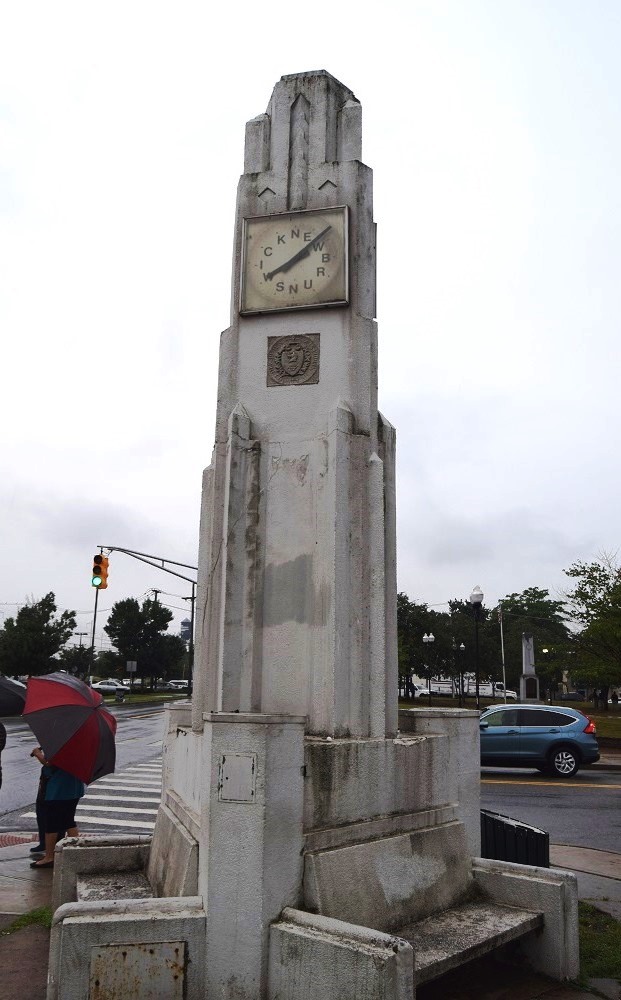
Set in a small triangular traffic island, the Art Deco Gold Star Mothers Monument & clock commemorates the mothers who lost children serving their country in World War I. 

The stone obelisk sits on a triangular concrete base, each side of which is elaborated with a concrete bench.  The base’s three corners are marked by square pylons that project above the base.  The obelisk is square in cross section and is given vertical emphasis by paired marble arrows placed near each corner.  These arrows extend up to the lower portion of the second stage of the monument.  This stage has two brass plaques each inscribed with a shield.  The plaques are mounted beneath a clock on the front and rear faces of the monument.  The two clocks contain the letters for “New Brunswick” in place of the numbers on their faces.  The monument terminates with a flat top given vertical emphasis by several marble arrow moldings. 

The monument also includes a concrete signboard just east of the monument, however in 2016, it was lacking its sign. 

Photos courtesy of:  NJ State Historic Preservation Office
Vintage postcard courtesy of:  Rutgers University Libraries, Special Collections and University Archives (originally published by The Mayrose Co., Publishers, New York)

Wellwood Park, Maple Avenue & Linden Avenue
08109 Merchantville
NJ
USA

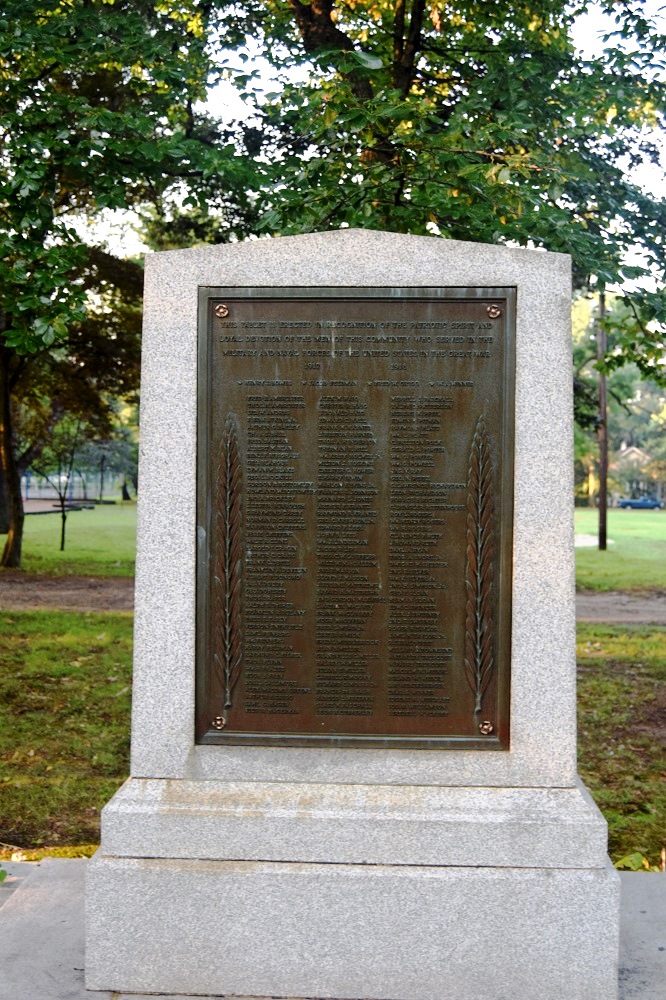
This war memorial is placed in Wellwood Memorial Park, adjacent to Maple Avenue in Merchantville, NJ. The monument consists of a bronze plaque mounted  to a finish granite slab. The slab rises from a two-tiered based with rounded corners, which, in turn, is placed on a concrete slab. The plaque lists all the names of Merchantville residents who served in World War I.

Narrative adapted from "Merchantville Past & Present," Borough of Merchantville, 1973. 

Photo courtesy of: NJ State Historic Preservation Office

  • Dedication Date: 1921
Veterans Memorial Park, Bellevue Avenue & Vine Street
08037 Hammonton
NJ
USA

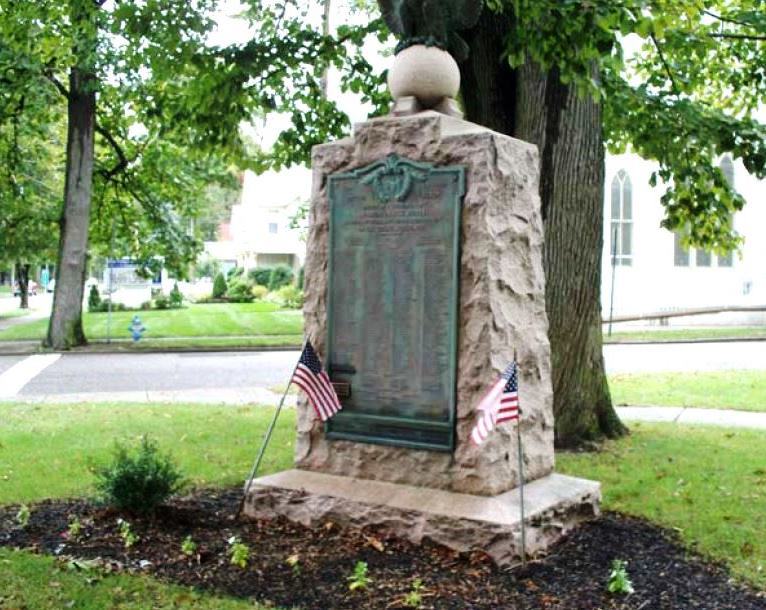
The monument is rusticated pink marble with a bronze plaque on the front, listing a roll of honor for those who served in World War I.  It is topped with a bronze eagle perched on a marble ball. 

It was dedicated on Memorial Day, 1921. 

Photo courtesy of:  NJ State Historic Preservation Office

  • Width: 3 ft
  • Depth: 3 ft
  • Dedication Date: c.1923
  • NJ000371
  • JA Meliodion
Sloan Park, Main Street
07405 Bloomingdale
NJ
USA

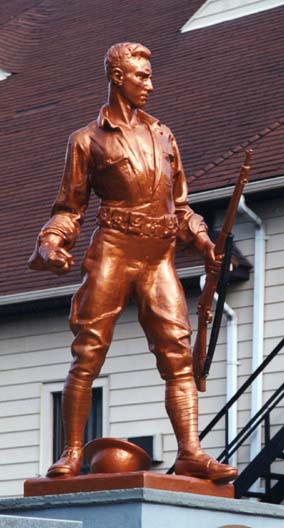
A World War I soldier stands holding a flag with his left hand, with his right arm extended, hand raised in a "stop" gesture. The soldier wears a helmet and has his sleeves rolled up to his elbows. The copper painted sculpture is mounted on a square base and is surrounded by a low wall.

The memorial complex also includes monuments to other wars. The sculptor, J.A. Meliodon, was from Lincoln Park, NJ.

Narrative adapted from Smithsonian Institution Research Information System (SIRIS) inventory #NJ000371. 

Photo courtesy of: Smithsonian Institution Research Information System (SIRIS)

  • Dedication Date: 1929
  • Laura Gardin Fraser
BPOE Lodge 135, 475 Main Street
07050 Orange
NJ
USA

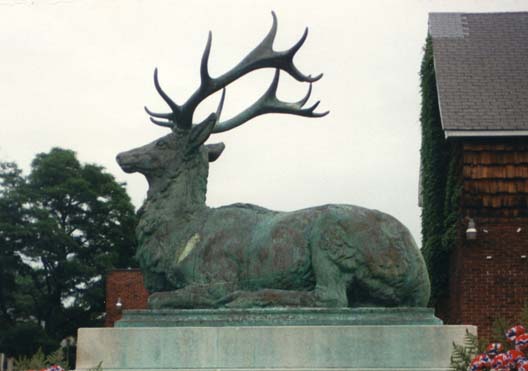
This memorial is one of three in Orange, NJ.

It was erected by the Orange Benevolent Order of Elks, Lodge 134, in memory of Private Joseph Hart, the only member of the lodge killed in World War I. The sculpture consists of a bronze depiction of a resting elk placed atop a stepped granite base measuring approximately 5' 3" by 10'. The base was designed by architect, Albert Randall Ross.

The sculptor, Laura Gardin Fraser, studied art at the Arts Students League in New York City. Best known for her designs for medals, she also designed elk sculptures for several venues including, Chicago's Elks Memorial & the Elks Lodge in New Brunswick, NJ. 

Narrative adapted from Smithsonian Institution Research Information System (SIRIS) inventory #NJ000082.

Photo courtesy of: Smithsonian Institution Research Information System (SIRIS)

  • Dedication Date: 1923
  • Frederick MacMonnies
S. Albany & Ventnor Avenues
08401 Atlantic City
NJ
USA

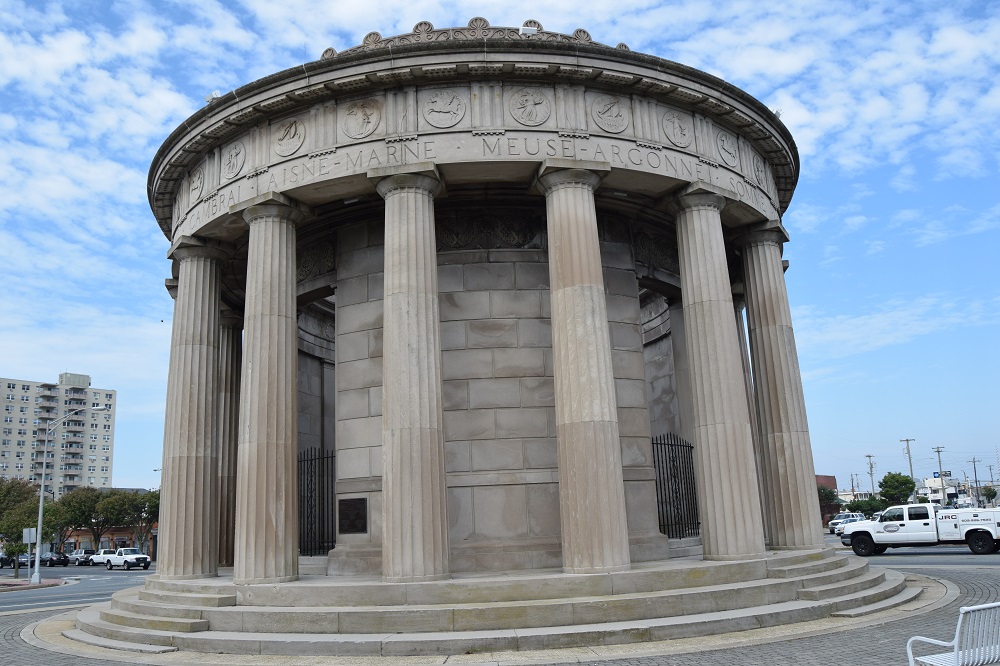
In 1907, the city of Atlantic City joined with the famous New York architecture firm of Carrere & Hastings in a plan for a civic monument.  Delayed by US involvement in World War I, in 1919, the city decided the monument should be built in honor and memory of city residents who served in the war. 

Designed in the Greek tholos form, the circular structure reaches 124’ in diameter and features 16 Doric columns made of Indiana limestone.  Paving between the columns is bluestone & slate.  The monument’s frieze depicts the name of battles in which Atlantic City men fought.

There are four medallions (Army, Navy, Marines & Aviation) that alternate around the circumference of the frieze.  The battles in which Atlantic City men fought are inscribed upon the architrave. 

In the interior of the temple is a nine-foot bronze statue, “Liberty in Distress,” designed by Philadelphia sculptor, Frederick MacMonnies.  This sculpture was installed in July 1929.  It depicts victory over the enemy, but at the same time emphasizes the sorrows & sufferings of war.  It was mounted on a green Vermont marble pedestal. 

The monument was dedicated in 1923. 

Narrative adapted from "Greek Temple Monument," The Atlantic City Experience, Atlantic City Public Library; and "Atlantic City World War I Memorial, History & Setting," Hunter Resarch, Inc., 2008. 

Photos courtesy of:  NJ State Historic Preservation Office

B&W Photos courtesy of: Historic American Buildings Survey (HABS) / National Parks Service

  • Dedication Date: 1931
Baker Street
07040 Maplewood
NJ
USA

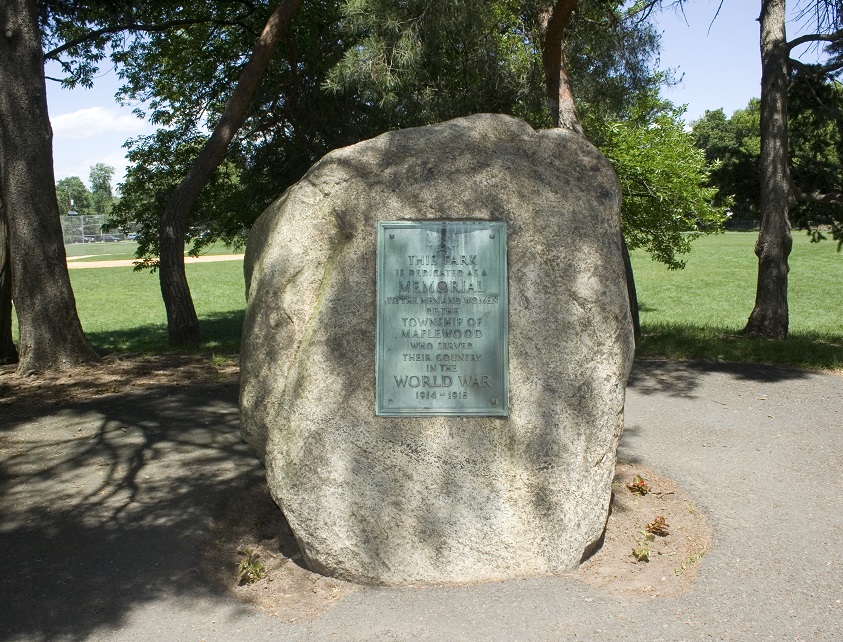
A memorial bronze plaque and 10-ton boulder dedicated Maplewood Memorial Park "to the men and women who served their country during World War I."  The formal dedication occurred on Memorial Day 1931, when the park first opened. 

Originally, eight American Elm trees were planted to commemorate fallen solders from Maplewood.  A small plaque near the amphitheater still marks the location. 

Photo courtesy of:  NJ State Historic Preservation Office
Historic photo courtesy of:  Maplewood Public Library

  • Dedication Date: 1924
Main & Franklin Streets
08520 Hightstown
NJ
USA

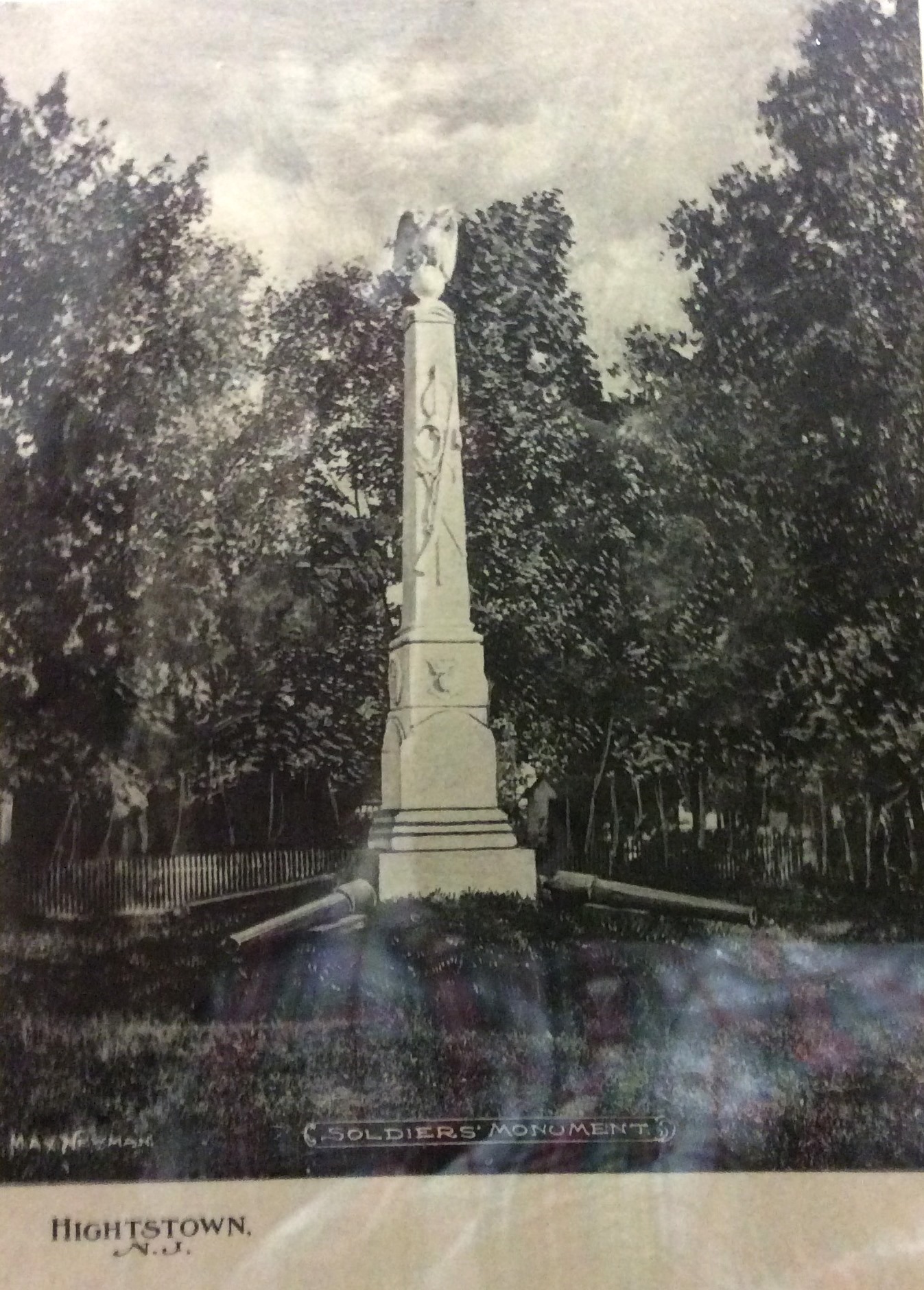
The lakeside Hightstown Memorial Park was dedicated on Armistice Day 1924, the result of a community fund drive to raise $25,000 to honor its veterans, following a $30,000 gift of the land by six local donors.  A concrete dam, stone retaining walls, a walkway across the dam, a boat landing with steps & grading & landscaping were created.
Situated near the boat landing, a granite obelisk was placed by the American Legion Post #148 & the VFW Post 5700.  The monument is dedicated to all who served in World War I.  

Narrative adapted from "Reflections from the Shrine" by John W. Orr, Jr., 1998. 

Vintage photo courtesy of:  Rutgers University Libraries, Special Collections and University Archives