

















Kalamazoo Aviation History Museum
The Air Zoo, founded as the Kalamazoo Aviation History Museum, is an aviation museum and indoor amusement park next to the Kalamazoo-Battle Creek International Airport in Portage, Michigan.

















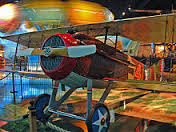
The Air Zoo, founded as the Kalamazoo Aviation History Museum, is an aviation museum and indoor amusement park next to the Kalamazoo-Battle Creek International Airport in Portage, Michigan.
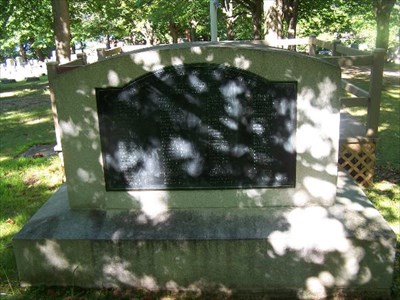
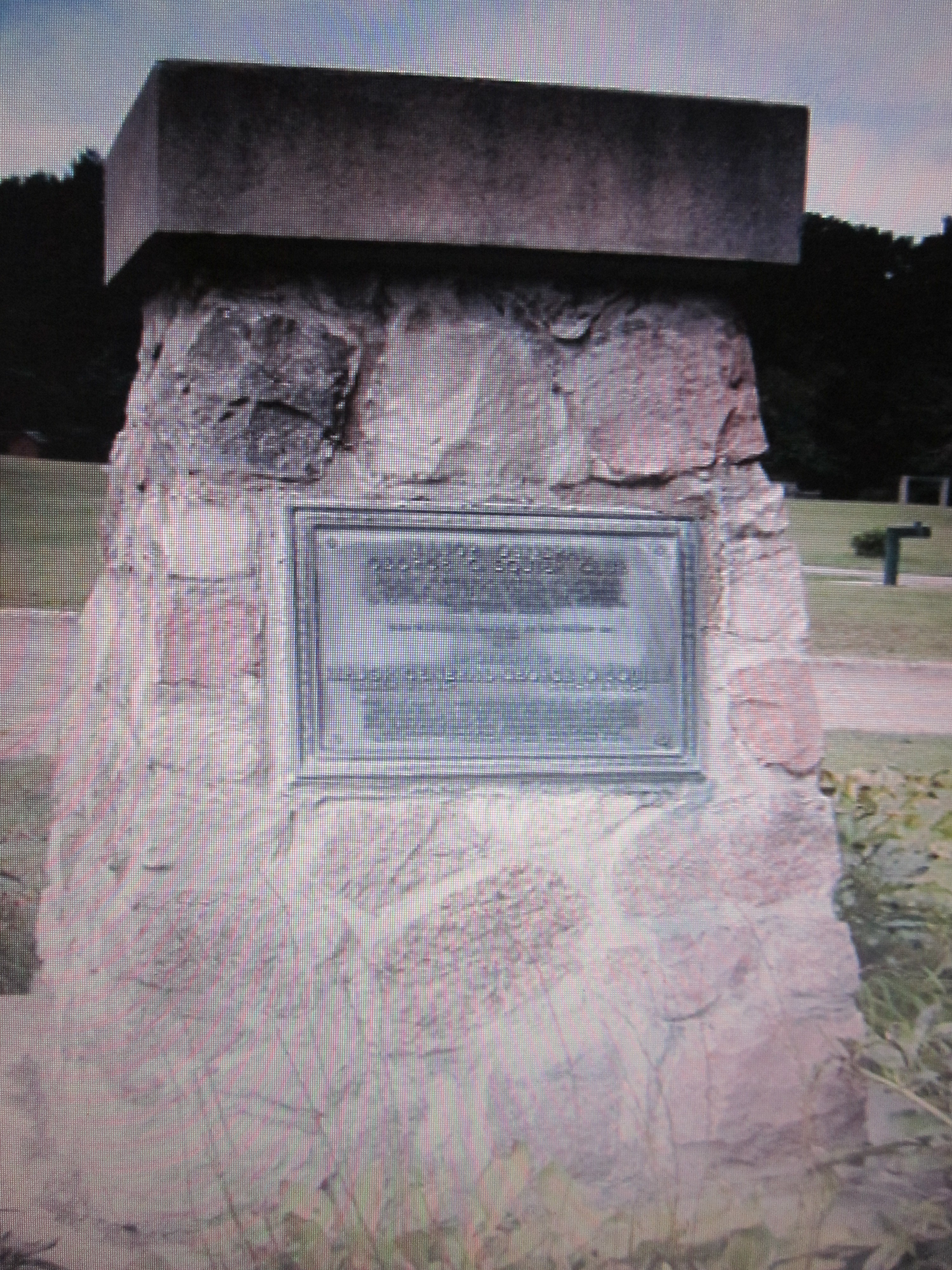
This Stone and brass memorial commemorates the WWI soldiers from Quincy. There is a flagpole, but no flag.
The plaque reads:
In Honor of the Boys who wore a uniform in the great world war. Erected July 4, 1919
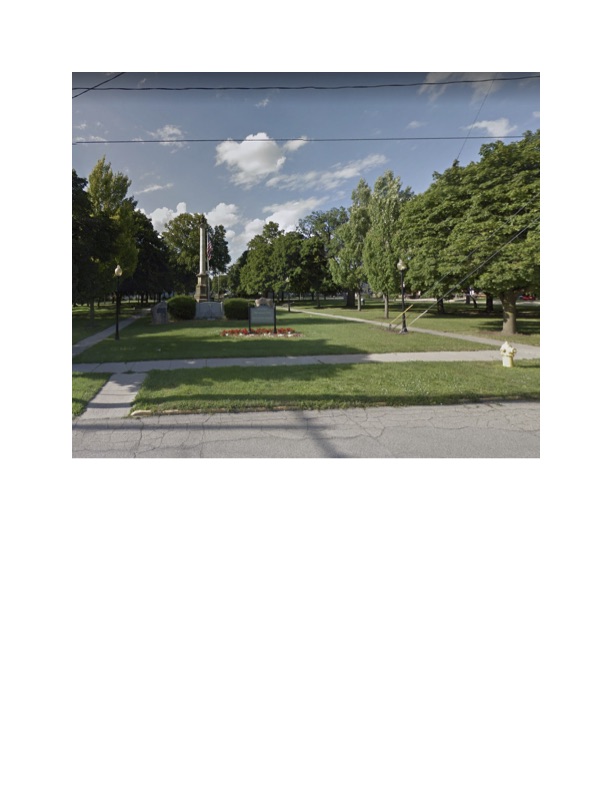
In gray granite is a relief scene modeled after the Iwo Jima Monument sculpted by Felix George Weihs de Weldon. It depicts five Marines and one Navy corpsman thrusting an American flag into the ground on Mt. Suribachi. It is a monument to the Lenawee County soldiers who died in service in the Spanish-American War and WWI.
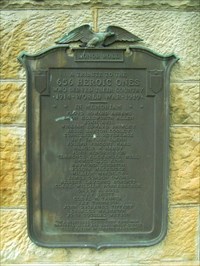
A tribute to 656 heroic ones who served their country
1914 * World War * 1919
In memoriam
[a list of 25 heros]
"In a righteous cause they have won immortal glory and have nobly served their nation in serving mankind"
Major General George O. Squier Monument
Major General George Owen Squier (1865-1934) was a noted soldier and scientist. Graduating from West Point in 1887, he subsequently led the United States Signal Corps. He was also Chief of the Army Air Service during World War I and military attache in London during the postwar period. Working in the capacity of science, he discovered the multiplex telegraph system, which made him world renowned. The general held membership in the National Academy of Sciences, London Physical Society and the Royal Institute of Great Britain. Although he was denied royalties because of his army affiliations, Squier continued to contribute to the world of invention and discovery. He perfected much of his work at his country estate, which he opened as this free public park for the people of the community.
Major General George Owen Squier (1865-1934) was a noted soldier and scientist. Graduating from West Point in 1887, he subsequently led the United States Signal Corps. He was also Chief of the Army Air Service during World War I and military attache in London during the postwar period. Working in the capacity of science, he discovered the multiplex telegraph system, which made him world renowned. The general held membership in the National Academy of Sciences, London Physical Society and the Royal Institute of Great Britain. Although he was denied royalties because of his army affiliations, Squier continued to contribute to the world of invention and discovery. He perfected much of his work at his country estate, which he opened as this free public park for the people of the community.
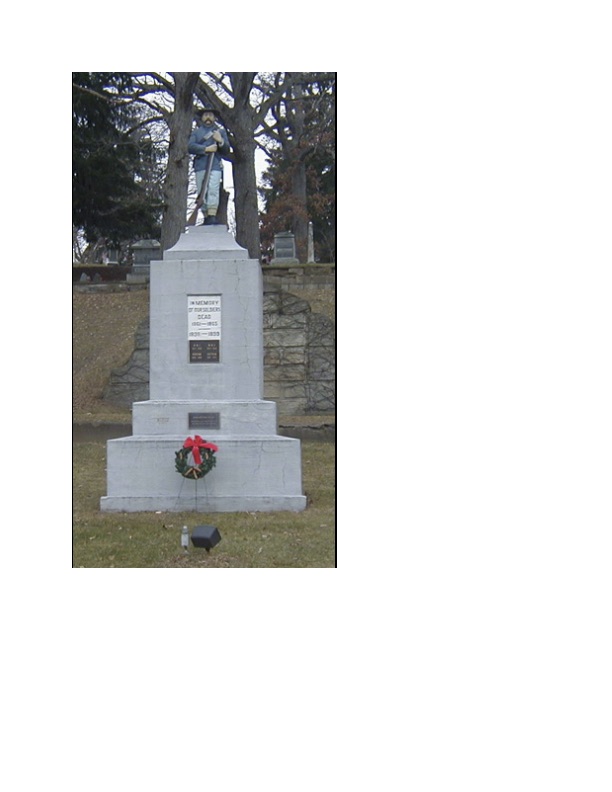
This is a life-size Statue of a uniformed Spanish-American War or Civil War soldier standing at parade rest, holding the barrel of a rille whose butt rests on the ground in front of his right foot. He has a bayonet and ammunition pack, and his boots are untied. He is painted in a variety of colors and stands on a seven-tiered base bearing a marble dedication plaque. It was first dedicated on May 30, 1907, to honor the veterans of the Civil and Spanish-American Wars. Later plaques were added to honor the veterans of WWI, WWII and the Korean and Vietnam Wars.
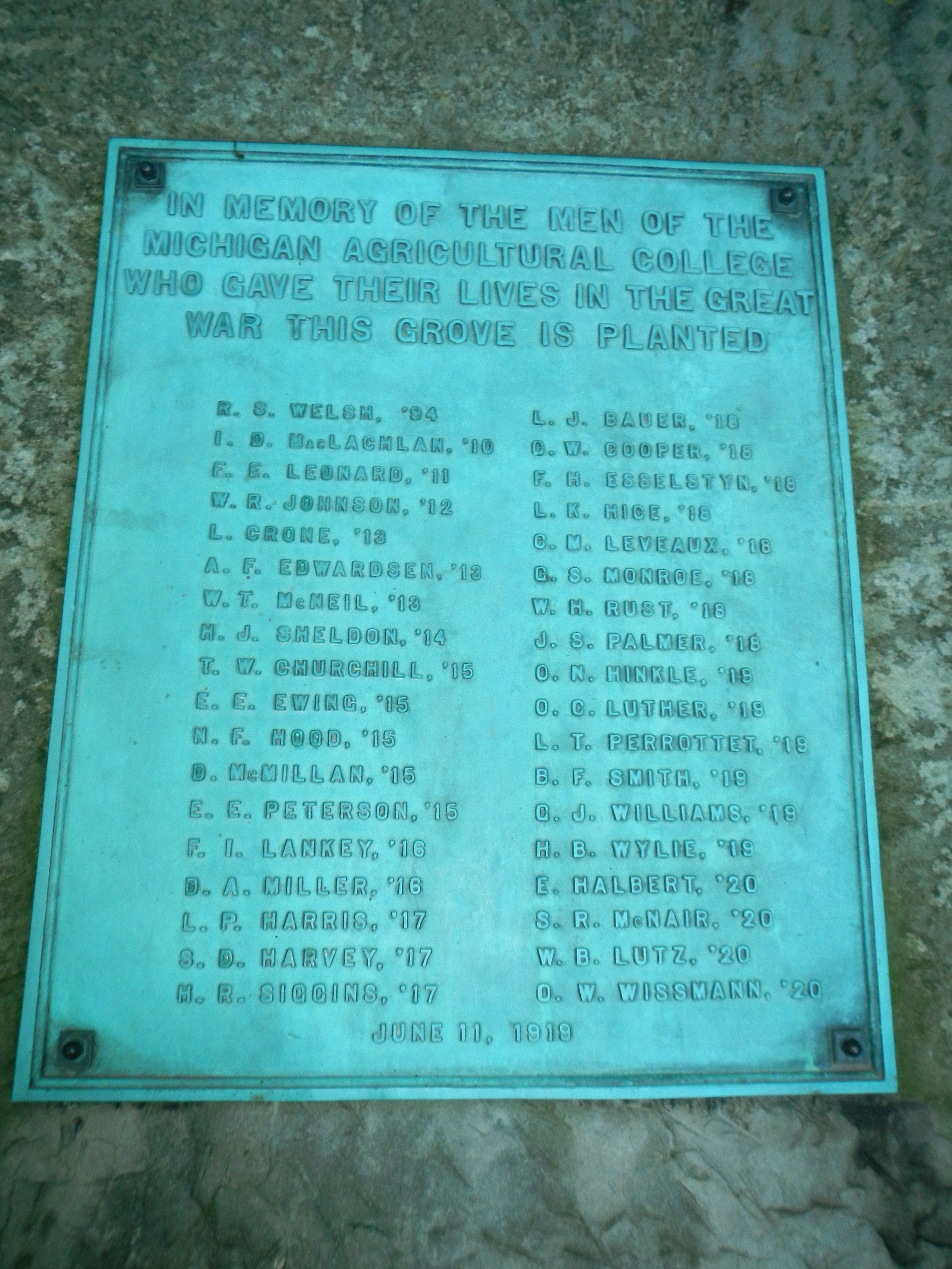
Memorial Grove of the Great War
The West Circle neighborhood is known for its beautiful Collegiate Gothic dorms, with beautifully sculpted gardens and peaceful stands of trees. One grove of trees though holds exceptional significance in the legacy of our university. Just east of Williams Hall is a grove of thirty-three oak trees overlooking Michigan Avenue. Few students notice the nondescript fieldstone slab nestled within the small park space.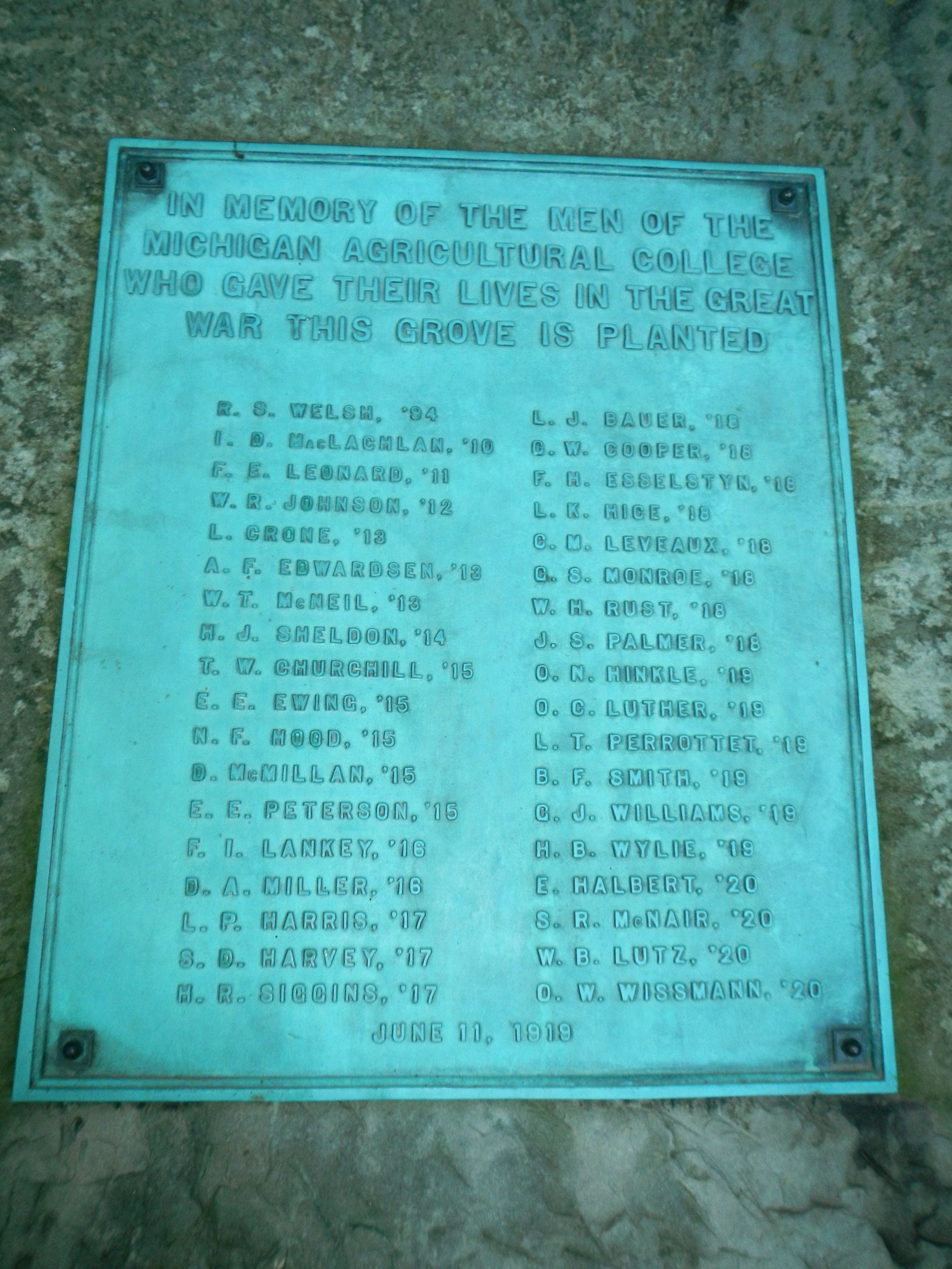
A brass plaque explains that this grove of trees is a memorial to the thirty-three students and graduates of the college who gave their lives in World War One. Back then our school was still the Michigan Agricultural College (M.A.C.), and contained few of the buildings that now dominate our campus. Next year will mark the hundredth anniversary of the start of what would become known as the Great War. The conflict exploded the world into the modern era, where industrialized warfare clashed with outdated military doctrine creating tragic consequences. In all some 8,500,000 soldiers would die in the conflict that pitted the Allied Powers (France, Russia, America, and the United Kingdom) against the might of the Central Powers (Germany, Austria-Hungary, and the Ottoman Empire).
America would not enter the war until 1917, when German U-boat attacks on commercial vessels would compel the nation to declare war on the Central Powers. America would mobilize over four million men to fight in Europe as part of the American Expeditionary Force. American soldiers would play a pivotal role in the battles of the Second Battle of the Marne and Meuse-Argonne Offensive. Ultimately America’s contribution would play a key part in bringing about the end of the war, but with a cost of 116,516 soldiers killed in action and a further 204,000 wounded.
Among the men who would never return home were students and alumni of the Michigan Agricultural College. In all thirty-three students and graduates of the college would give their lives in service to their country. Ten of the young men would never live to see their graduation from M.A.C. Their sacrifice would not be forgotten though.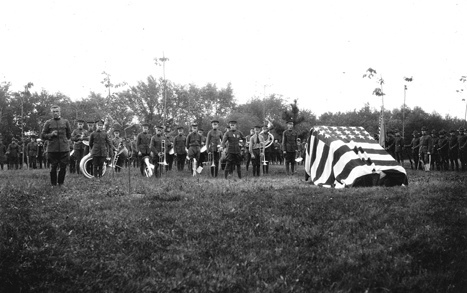
The college community decided a memorial grove overlooking the Red Cedar River and Michigan Avenue would be a fitting way to pay respect for their fallen brothers. The planning for the memorial was headed by the Forestry Department lead by faculty chair Professor Alfred K. Chittenden (for whom Chittenden Hall is named after). An oak tree would be planted for each of the soldiers and a large fieldstone would bear a plaque listing the soldier’s names.
The dedication took place on the college’s Commencement Day of 1919. Following a parade and a review of the college’s R.O.T.C. unit, Lieutenant Colonel A. H. Gansser of the 125th infantry formally dedicated the memorial grove. Gansser was well known in Michigan for the published letters he would send from the front, and was well regarded as a skilled speaker and critical analyst of politics and the war. The day was especially meaningful to Gansser, as many of the memorialized men were fellow members of the 125th infantry.
The thirty-three oak trees still shade the sidewalks west of Wilson Hall and the memorial is right off the sidewalk following Beal Street. This quite corner of MSU’s campus may remain largely unknown to the student body, but it remains a somber and beautiful reminder to the sacrifices made by our fellow Spartans.
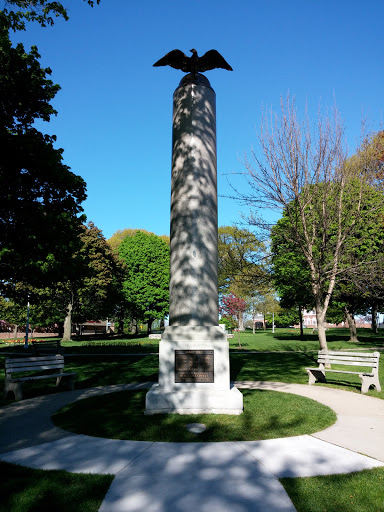
A bronze eagle with wings spread sits atop a 24 foot tall column of polished granite. Beneath is a three section base of unpolished granite with a plaque bearing the names of the 52 Ottawa County men who fought in WW1.
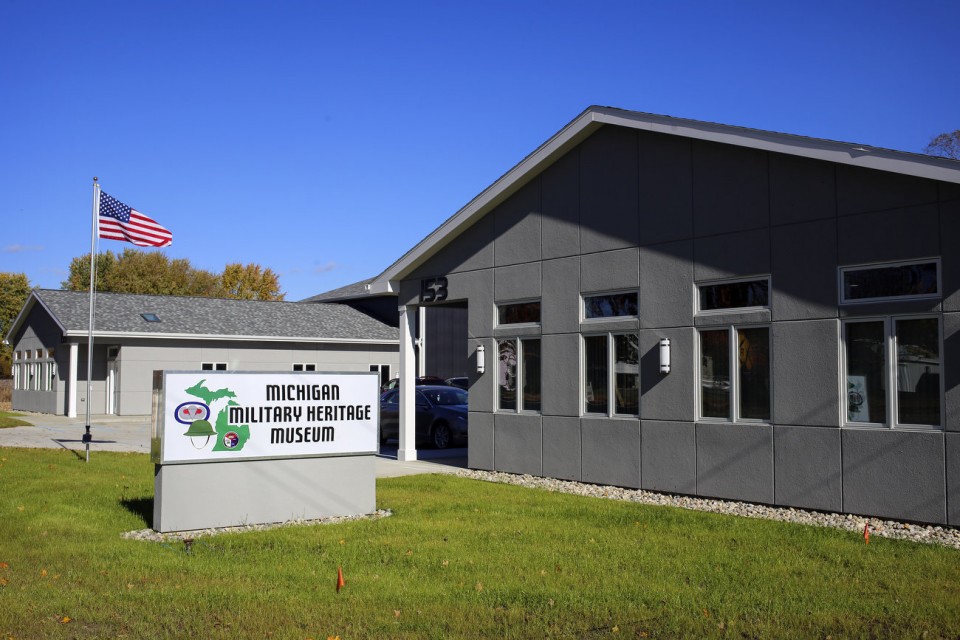
Michigan Military Heritage Museum group had formed to develop a museum to tell the stories of Michigan veterans through the development of dynamic and informative exhibits. This partnership has truly lit a strong flame of interest local and statewide as projects develop to move to the establishment of a regionally significant museum project. Current projects include preparing an 18th century British cannon on extended loan from the Detroit Historical Society for exhibit. Locally donated burr oak will be used to build an authentically reproduced carriage for this cannon which was rescued from the Detroit River in the 1990s. Also underway is a project to replicate a World War I ambulance, using a 1917 Model T body with a wooden bed, just as those used in that war.
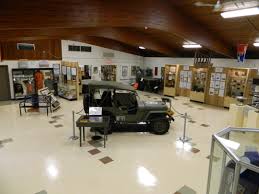
The Michigan Military Technical and Historical Society is dedicated to preserving the stories of Michigan citizens who served and sacrificed, here and abroad, from WWI to the present.
The 11,000-square-foot, Eastpointe-based museum showcases Michigan-related military products and units and features exhibits on veterans, equipment, weapons, uniforms, and other military artifacts.
The society also hosts special events, programs for children, and reenactments.
Location: 16600 Stephens Rd., Eastpointe, MI 48021
Hours: Sat 10 a.m.-5 p.m., Sun 12-5 p.m.
Cost: $5/individual, $7 family, $3 senior/military/student, children under 16 free
Details: Free on-site parking. Wheelchair accessible. Tour guide available; call ahead for groups of 10 or more.
More information: Call (586) 872-2581or visit www.mimths.org.
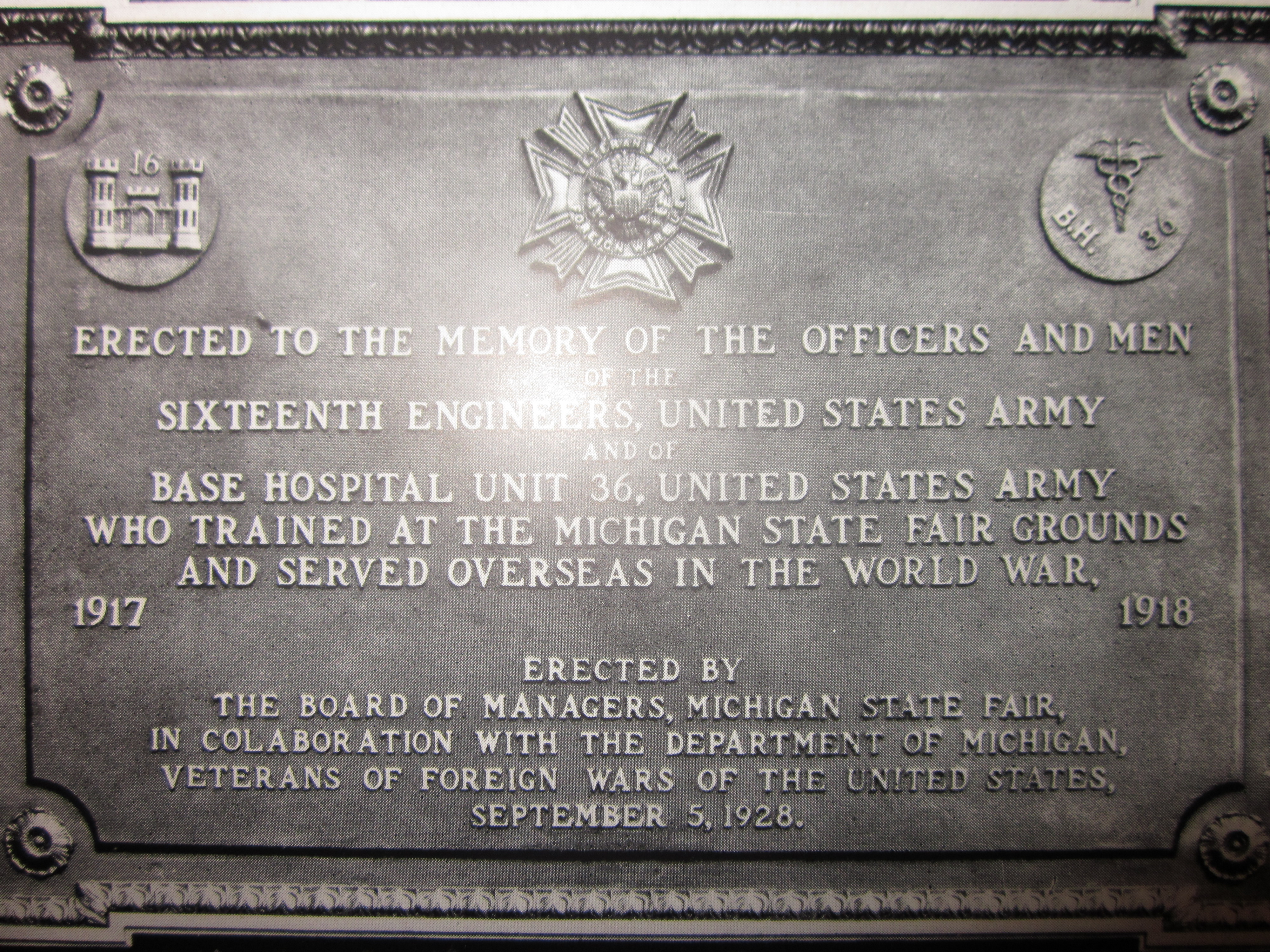
Erected to the memory of the officers and men of the Sixteenth Engineers, United States Army and Base Hospital Unit 36, United States Army
Who trained at the Michigan State Fair Grounds and served overseas in the World War, 1917 1918
Erected by the Board of Managers, Michigan State Fair Grounds, in colaboration with the Department of Michigan, Veterans of Foreign Wars of the United States, September 5, 1928.
This Memorial is lost, it is not at this location.
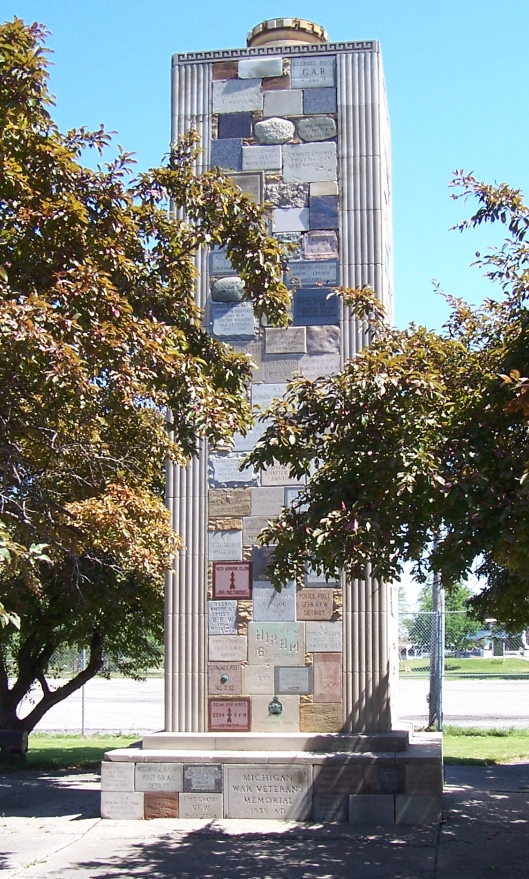
Michigan War Veterans Memorial
"We trust that this memorial, when completed, will serve as a constant reminder to the youth of Michigan
and the nation that this nation shall never perish from the face of the earth!"
Dr. Linwood Snow, General Manager of the Michigan State Fair, August 2, 1939
at the laying of the cornerstone for the Michigan War Veterans Memorial.
On September 10, 1939, nine days after Germany's invasion of Poland and the start of what would become World War II, the Michigan War Veterans Memorial was dedicated during a ceremony attended by 5,000 people, who were mostly veterans of the Great War and their families.
The Memorial was designed to honor Michigan's military veterans of all wars and conflicts and was dedicated "to the memory of those living or dead, who served their flag and country so unstintingly". Its four sides contain about 250 stones identifying various veterans organizations from all across the state of Michigan. Represented were organizations consisting of veterans of the Civil War, the Spanish-American War, the Great War and the Allied intervention in North Russia of 1918-1919. A full list of the contributors of the stones can be found here.
Michigan's Secretary of State, Harry F. Kelly, was the main speaker during the dedication ceremony and the eternal flame on top of the memorial was lit by Augustus F. Chappell, who was commander of the Michigan Department of the GAR.
This unique Memorial is located at the northeast corner of Woodward and State Fair Avenues in Detroit, MI. For many years, the Memorial was the scene of the annual "Veteran's Day" activities of the Michigan State Fair. More information about the history of the Memorial can be found here.
Over the years, the Memorial has been sadly neglected and is now in need of significant structural and cosmetic restoration. The eternal flame's gas supply has been shut off for decades. The foundation is settling and some of the stones have fallen off. It has been estimated that it will take about $250,000 to restore the Memorial to all its former glory.
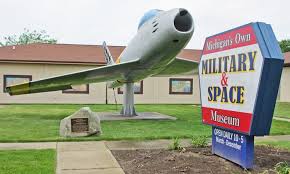
Michigan’s Military & Space Heroes Museum began in 1980 when Stan Bozich opened a small museum in the basement of the School Haus Square building on Main Street in Frankenmuth, Michigan. Determined to make his museum a fitting and lasting place to tell the story of Michigan’s military and space heroes, in 1985, Stan along with a supportive delegation from the city of Frankenmuth, was able to obtain a grant from the State of Michigan to purchase a two acre parcel of land on Weiss Street where the museum could build its future home.
With the financial support of local businesses and families plus veterans groups state-wide, a building was erected on the Weiss Street property and in 1987 the museum’s collection moved into its permanent home, which has since been expanded to enable more of the museum’s collection to be displayed for the thousands of visitors it welcomes each year. Frankenmuth is a popular destination for visitors who come from all over the state of Michigan to enjoy the famous chicken dinners, various festivals, shopping and other attractions in this German-themed town. The next time you plan a trip to Frankenmuth, make it a point to include a visit to the Museum.
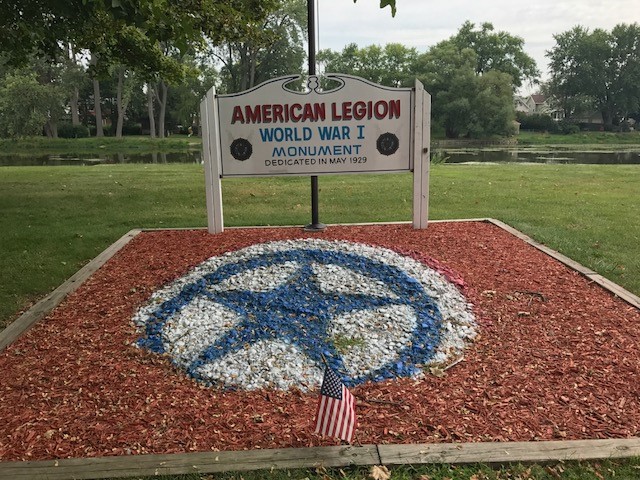
Located at Soldiers and Sailors Park along the River Raisin near the Civil War monument. The nearest address across the street from the monument is 508 E. Front Monroe, Mi 48161
Dedicated in May 1929 by the Monroe American Legion
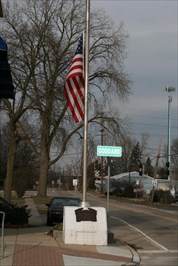
Inscription:
In Honor Of
Our Boys
Who Served In
The World War
1914-1918
Erected By The Sunshine Club
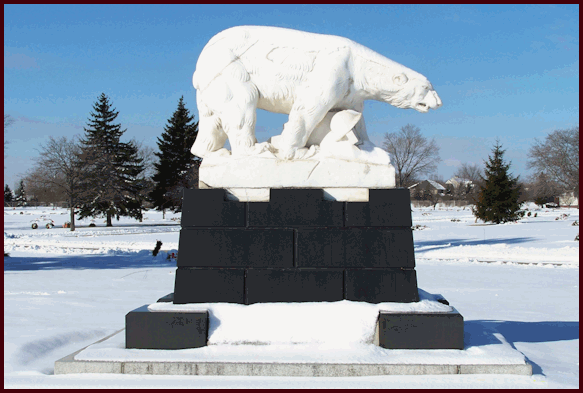
The Polar Bear Monument depicts a menacing polar bear, sculpted from white Georgian marble, advancing past a cross with a WWI helmet strapped to it. Designed by sculptor Leon Hermant, it is a monument to the "Polar Bears", a portion of Michigan's 339th Infantry Regiment, who were sent to Archangel in Northern Russia in 1918 to prevent a German advance and help reopen the Eastern Front. Instead, they fought Bolshevik revolutionaries for months after the Armistice ended the official fighting. They had killed 94 before they withdrew in April of 1919. In 1929, two commissions were sent to Archangel to recover the bodies, and they found the remains of 86 of the men. On Memorial Day in 1930, 56 of them were buried here.
In 1988, the Monument and surrounding graves were recognized as a registered Michigan Historic Site and a state historical marker was erected nearby. The marker reads as follows (note that the text provides the wrong number of burials that actually took place on May 30, 1930):
THE POLAR BEARS
(SIDE ONE)
In the summer of 1918, President Woodrow Wilson, at the urging of Britain and France, sent an infantry regiment to north Russia to fight the Bolsheviks in hopes of persuading Russia to rejoin the war against Germany. The 339th Infantry Regiment, with the first battalion of the 310th Engineers and the 337th Ambulance and Hospital Companies, arrived at Archangel, Russia, on September 4, 1918. About 75 percent of the fifty-five hundred Americans who made up the North Russian Expeditionary Forces were from Michigan; of those a majority were from Detroit. The newspapers called them "Detroit's Own,"; they called themselves "Polar Bears." They marched on Belle Isle on July 4, 1919. Ninety-four of them were killed in action after the United States decided to withdraw from Russia but before Archangel's harbor thawed.
(SIDE TWO)
In 1929, five former "Polar Bears" of the 339th Infantry Regiment returned to north Russia in an attempt to recover the bodies of fellow soldiers who had been killed in action or died of exposure or disease ten years earlier. The group was selected by the members of the Polar Bear Association under the auspices of the Veterans of Foreign Wars. The trip was sponsored by the federal government and the state of Michigan. The delegates recovered eighty-six bodies. Fifty-six of these were buried on this site on May 30, 1930. The Polar Bear monument was carved from white Georgian marble; the steps, from white North Carolina granite. The black granite base symbolizes a fortress, and the cross and helmet denote war burial.
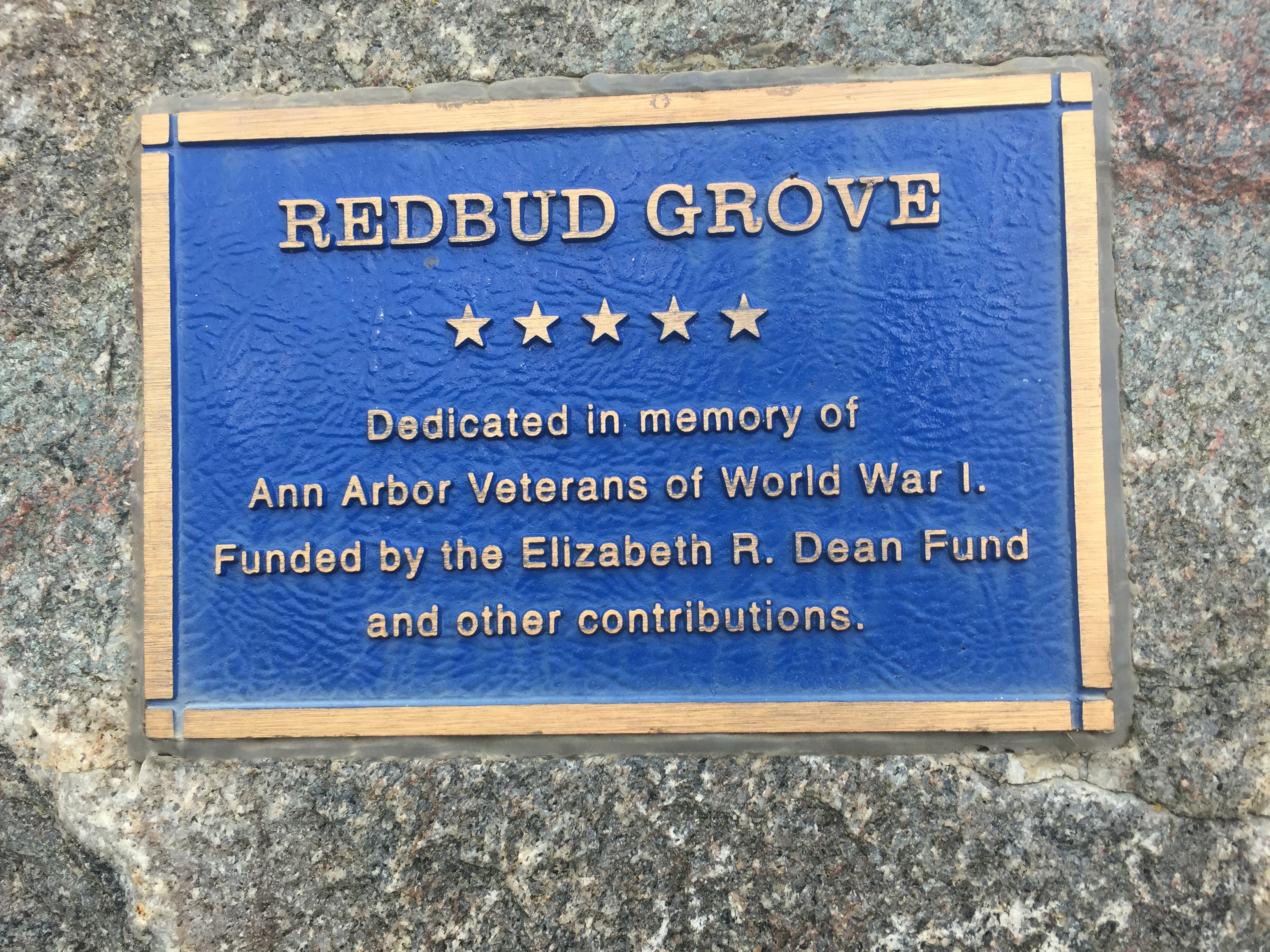
This red bud grove is located in a small park near the Huron River. A boulder with a plaque marks the spot.
The plaque reads:
"REDBUD GROVE
Dedicated in memory of Ann Arbor Veterans of WWI
Funded by the Elizabeth R. Dean Fund and other contributions"
OUR HEROES
1914 1919
WORLD WAR
David H. Underwood Killed in Action
Charles J. Underwood
Harold S. Bachmann
George E. Carlton Died in Service
1922