

































Pritzker Military Writing Prize, Seaside Writer's Conference, Robert Laplander's new book, Darryl Dillard
It's official! Each weekend, the WWrite Blog will post a "WWrite Blog Weekend Update! This Week's Writerly News from the U.S. WWI Centennial Site." In addition to the WWrite featured posts, these weekend posts will highlight all things writerly happening on the Commission's website for the past week. They will also feature various news items about WWrite Bloggers like recent publications, public talks, and conferences. If you have a news item regarding WWI and writing, please contact me at jennifer.orth-veillon@worldwar1centennial.org.
News items from this week
 Tim O'Brien, Winner of the 2013 Pritzker AwardPritzker Military Museum Library and Literature Award for Lifetime Achievement in Military Writing. Established in 2007 and sponsored by the Tawani foundation, the Pritzker Literature Award serves to recognize a living author who has made a significant contribution to the understanding of military history including military affairs. These contributions may be academic, non-fiction, or a combination of any of the three. The recipient may be of any nationality and may have written their collective works in any language. The Award includes a citation, medallion, and $100,000. Past winners include Tim O'Brien, Hew Strachan, David Hackett Fischer, Antony Beevor, Sir Max Hastings, Carlo d'Este, Rick Atkinson, Gerhard L. Weinberg, Allan R. Millett, and James McPherson. For details, see Pritzker Award.
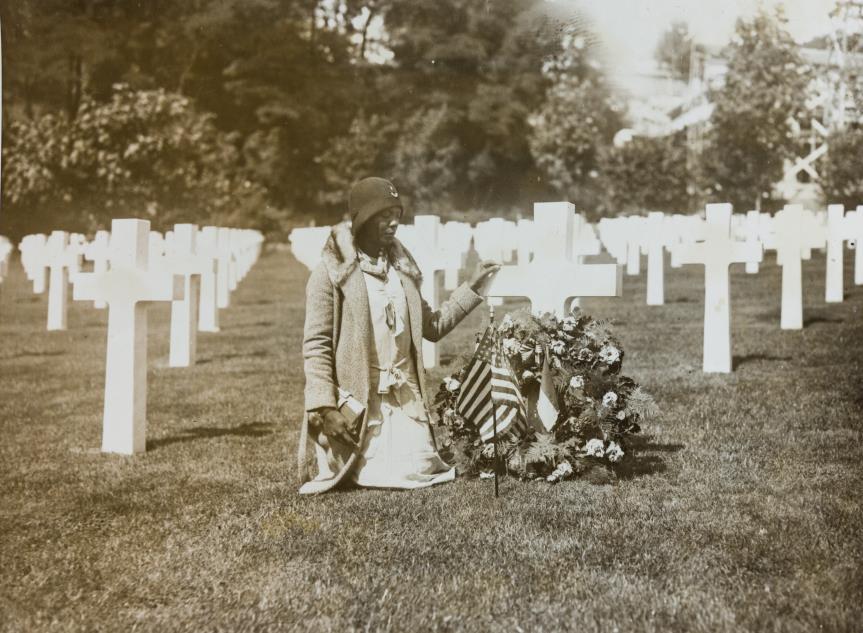 Pilgrim at Suresnes July 26, 1930On a Boat Alone: African American Wives Post WWI
Black History Month has given the Centennial Commission the opportunity to showcase the achievements of African Americans during WWI. One of WWrite’s latest posts about writer and suffragist Ida B. Well’s influence on Major Jasmine Motupalli’s military career highlighted the increased presence of political activism among African American women in the US during the WWI era (Major Motupalli's Post). WWI Centennial News reposted a Military Times article by former Illinois Senator and Ambassador to New Zealand, Carol Mosely Braun, in which she honors African American combat accomplishments in France. Her own grandfather, Thomas Davie, was posthumously awarded a U.S. Victory medal and fought in the Meuse-Argonne battle (Ambassador Carol Moseley Braun Article Link). This week, I wanted to talk about the wives of African American servicemen killed in combat.
Major Jasmine Walker Motupalli Reveals Historically-Influenced Path: Iraq and Afghanistan Inspired by Ida B. Wells' WWI Fight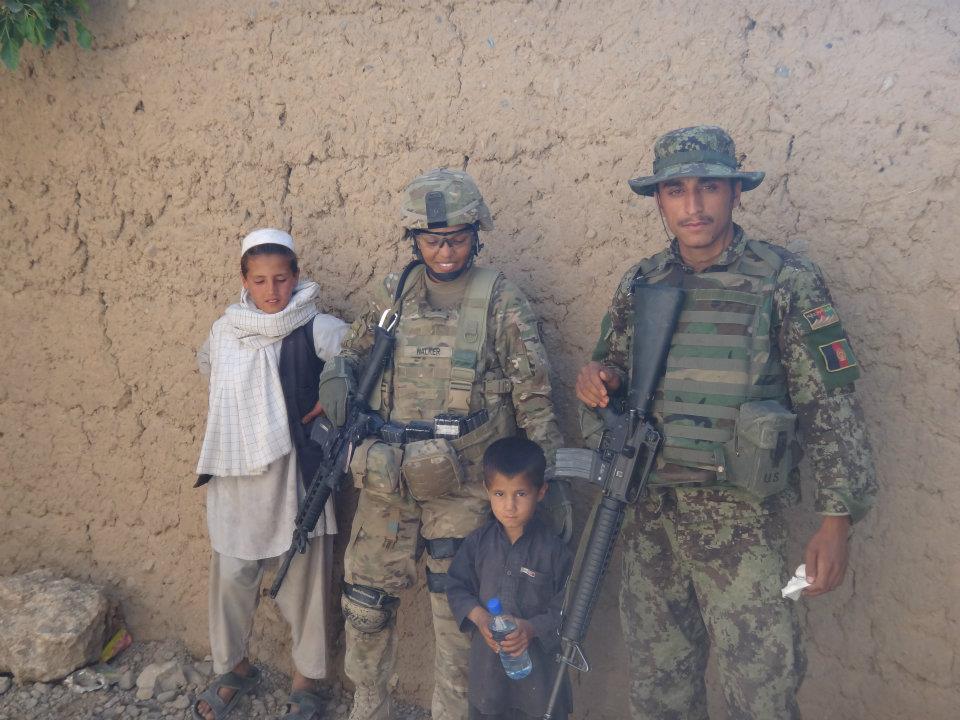 MAJ Jasmine Motupalli in Logar Province, Afghanistan, with civilian children and fellow soldier
*As a veteran of both the Afghanistan and Iraq wars, where I served as an intelligence officer, I often think about how different my life might have been had I lived in a different period of history. A quick look at most American wars tells me that I would have never been an officer. I would have never been on the front line. But I do know that I would have done whatever I could to fight the fight. As a black woman during World War I, perhaps I might have been supporting the war effort at home by working in factory jobs vacated by men. Perhaps I would have chosen to prove my patriotism by serving as a nurse for the segregated black units in the American Expeditionary Forces in Europe. 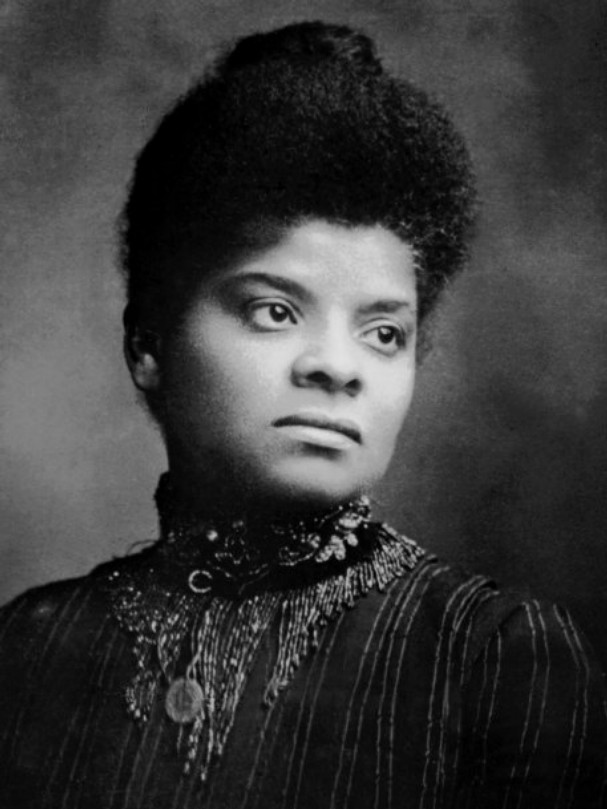 Ida B.Wells
But, in the face of inequality, I tend to be a bit rebellious and, even in 1914-1918, I’m pretty sure I would have tried to break the ceiling even further. During this time, I would have followed one of my heroes, Ida B. Wells, journalist, suffragist, editor, and activist. She fought for voting rights and equal treatment for women who looked like me. During WWI, she sold Liberty Bonds and distributed care packages to black soldiers. But her fight didn’t stop there. She worked to defend black men falsely accused of crimes throughout the country. Following the Houston Race Riot of 1917, she fiercely protested the hanging of 13 black soldiers hung by a military court without recourse to appeal or review by the president.
Graphic Novels and Native American WWI Soldiers
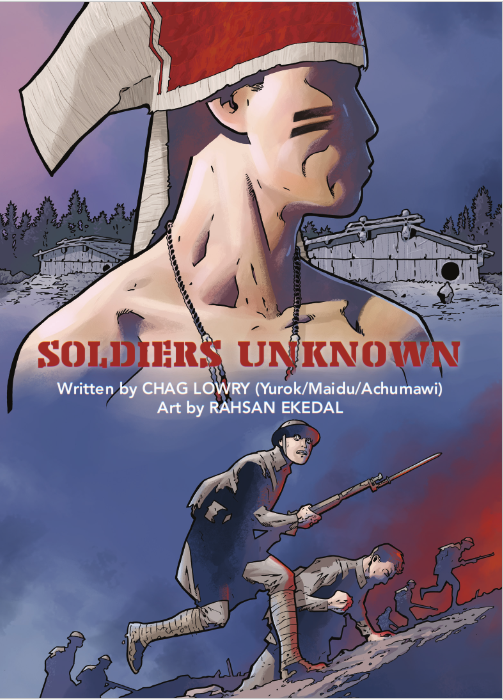 Cover artwork of SOLDIERS UNKNOWN by Chag Lowry and Rahsan EkedalThis week, the U.S. WWI Centennial Commission DISPATCH featured an interview with Chag Lowry, a Native American graphic artist, who has a new book coming out, SOLDIERS UNKNOWN. Inspired by the history of two great-great-uncles who served in WWI, SOLDIERS UNKNOWN, Lowry teamed up with artist Rahsan Ekedal to write about the 91st Infantry Division's experience in the Meuse-Argonne Offensive.
WWrite Veteran Blog Contributors Meet at Washington Conference to Talk about Writing and War
 WWrite bloggers continue the conversation beyond WWI! On Thursday, February 9th, three WWrite veteran blog contributors came together at the annual Association of Writers and Writing Programs (AWP) conference in Washington D.C. to talk about their writing and war experience. Each year, over 12,000 people join the contemporary American writing community for four days of dialogue with panels, lectures, and a book fair. It is the largest literary conference in the country.
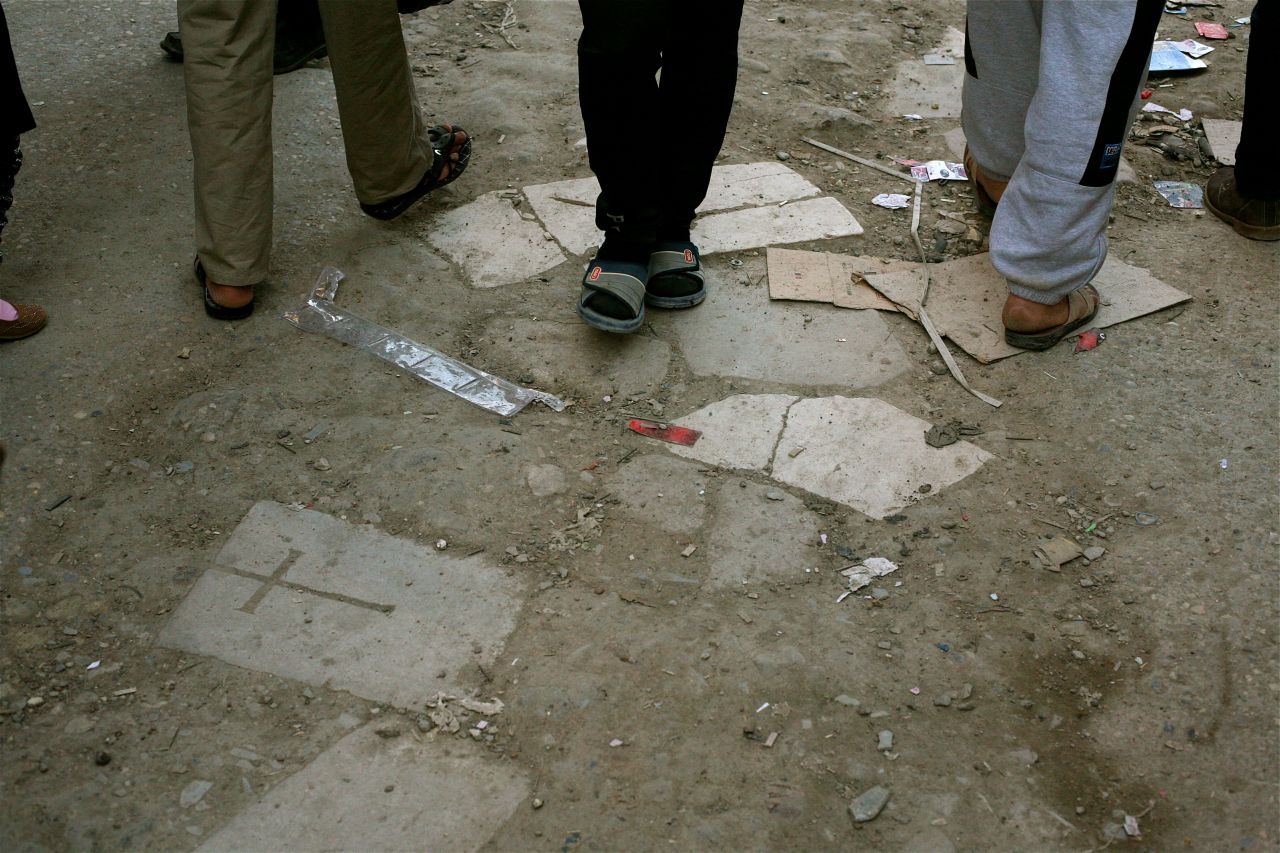
"Today is Better than Tomorrow": A British Cemetery Revisited Ten Years After Serving in the Iraq War
Actor, writer, filmmaker, and photographer Benjamin Busch follows up on last week's post about discovering a WWI Cemetery in Iraq. Here, Busch speaks about his return to Iraq in 2013 as a journalist. He discovers the British WWI cemetery he visited and cared for ten years earlier has been destroyed. Busch was a Marine who led a Light Armored Reconnaissance unit during the 2003 invasion of Iraq and operated around the city of Kut.This excerpt, from his essay "Today is Better Than Tomorrow," that appeared in Harper's Magazine October 2014, It is reprinted here by permission. All photographs by the author.
My photographs have been kept in an order absent of chronology: a blindfolded skull, a pile of boots, an English gravestone, a child waving. I never labeled them, just expected I would remember like everyone does. Seven months of circumstantial evidence. Military mobile exchanges only sold 400-speed film, meant to shoot subjects in lower light, so the reduced resolution is noticeable when the pictures are enlarged, their definition becoming increasingly granular, as if composed of pressed dust. The imperfection of vision is at work, the flickering of lines, the involuntary squint to identify, exactly, what you're seeing, the desert going from vast and static to pulsing and immediate, like memory does.