































Memorial

- Details
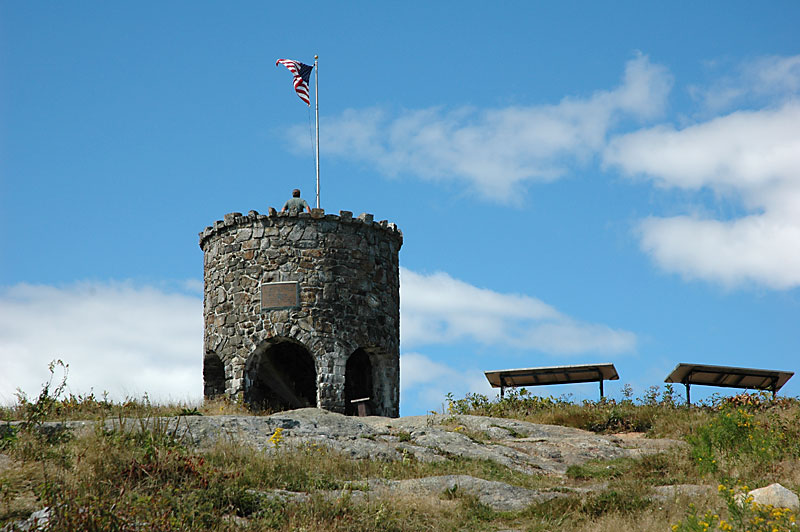
- 26-foot stone tower built atop 790-foot Mt. Battie
- Dedication Date: 1921
- Tower
- Details
- Dedication Date: 1917
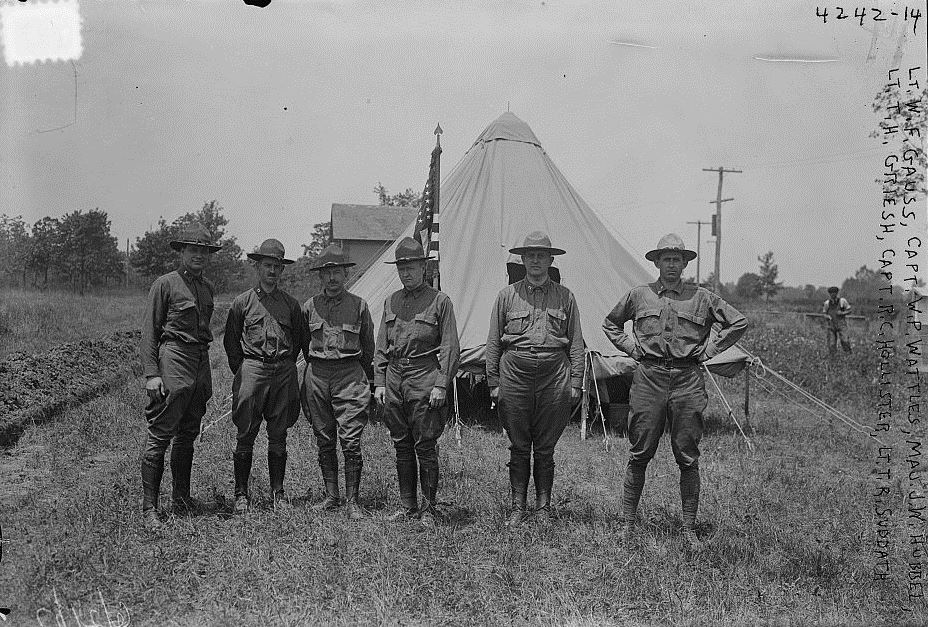
The US Army recognized at the beginning of World War I that the Signal Corps strength of less than 2,000 officers and enlisted men was not able to provide the necessary communications support should the United States enter the war.
In October 1916, the Office of the Chief Signal Officer asked executives of private sector communications companies to recruit from among their trained employees for a Signal Enlisted Reserve Corps. The response was greater than expected with 1,400 male employees of the Bell Company of Pennsylvania applying for enlistment.
The Signal Corps needed places to prepare these citizen soldiers for service in battle. Four camps were established: one in Little Silver, NJ. A training camp was established on a portion of the site of the former Monmouth Park Race Track. The first 32 Signal Soldiers arrived at the site in June 1917, first known as Camp Little Silver. By the end of the month, 451 enlisted men and 25 officers were stationed there.
The camp sent its first units to the Hoboken, NJ Port of Embarkation in August 1917. In September, the camp was renamed Camp Alfred Vail, for an individual prominent in the history of telegraphy who worked with Samuel FB Morse in developing the commercial telegraph. After the end of the war, Camp Vail became one of the original components of the Army's chief communications post, Fort Monmouth.
Narrative adapted from "A Concise History of Fort Monmouth New Jersey," US Army Communications-Electronics Command (CECOM) Historical Office, 2009.
Photos courtesy of:
Soldiers at tent, 1917 - Library of Congress
Soldiers typing & Signal Corps Base - US Army CECOM Historical Office
- Details
- Dedication Date: 1967
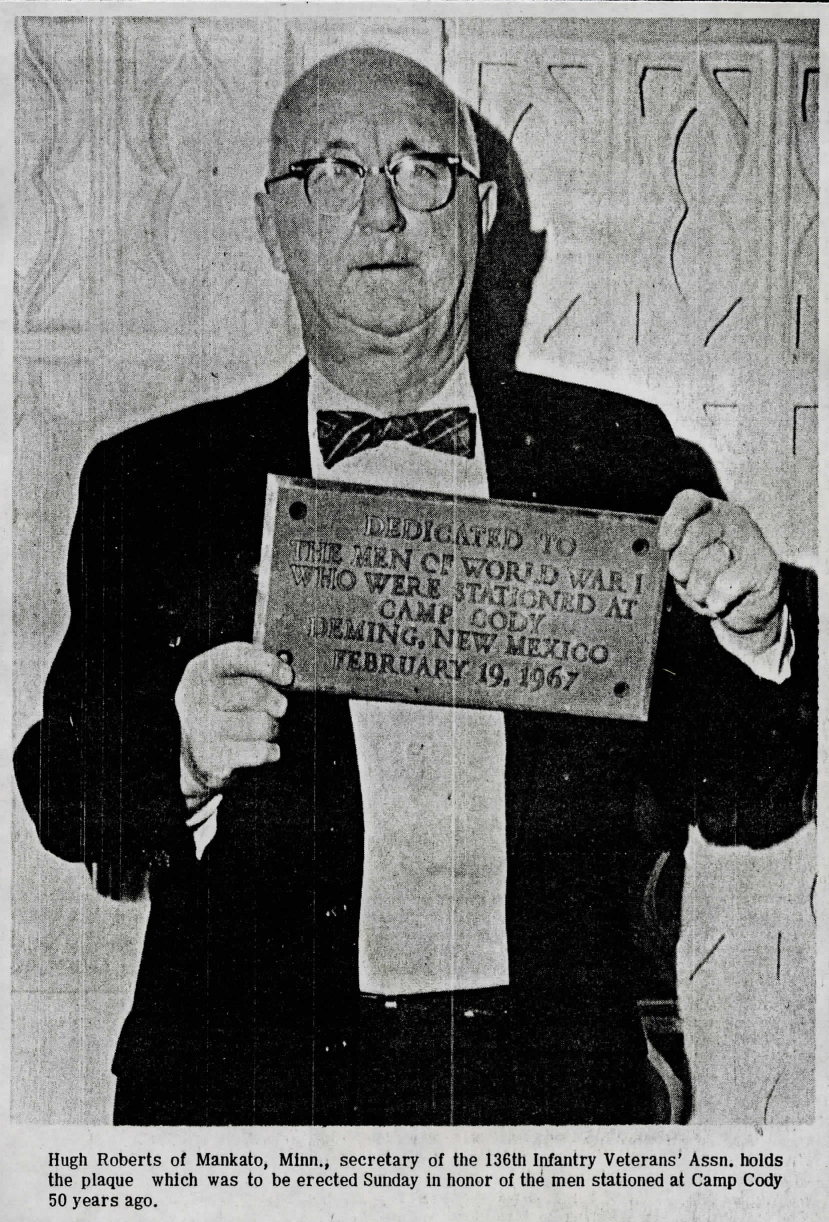
Memorial was removed. Exact location unknown.
- Details
- Dedication Date: 1917
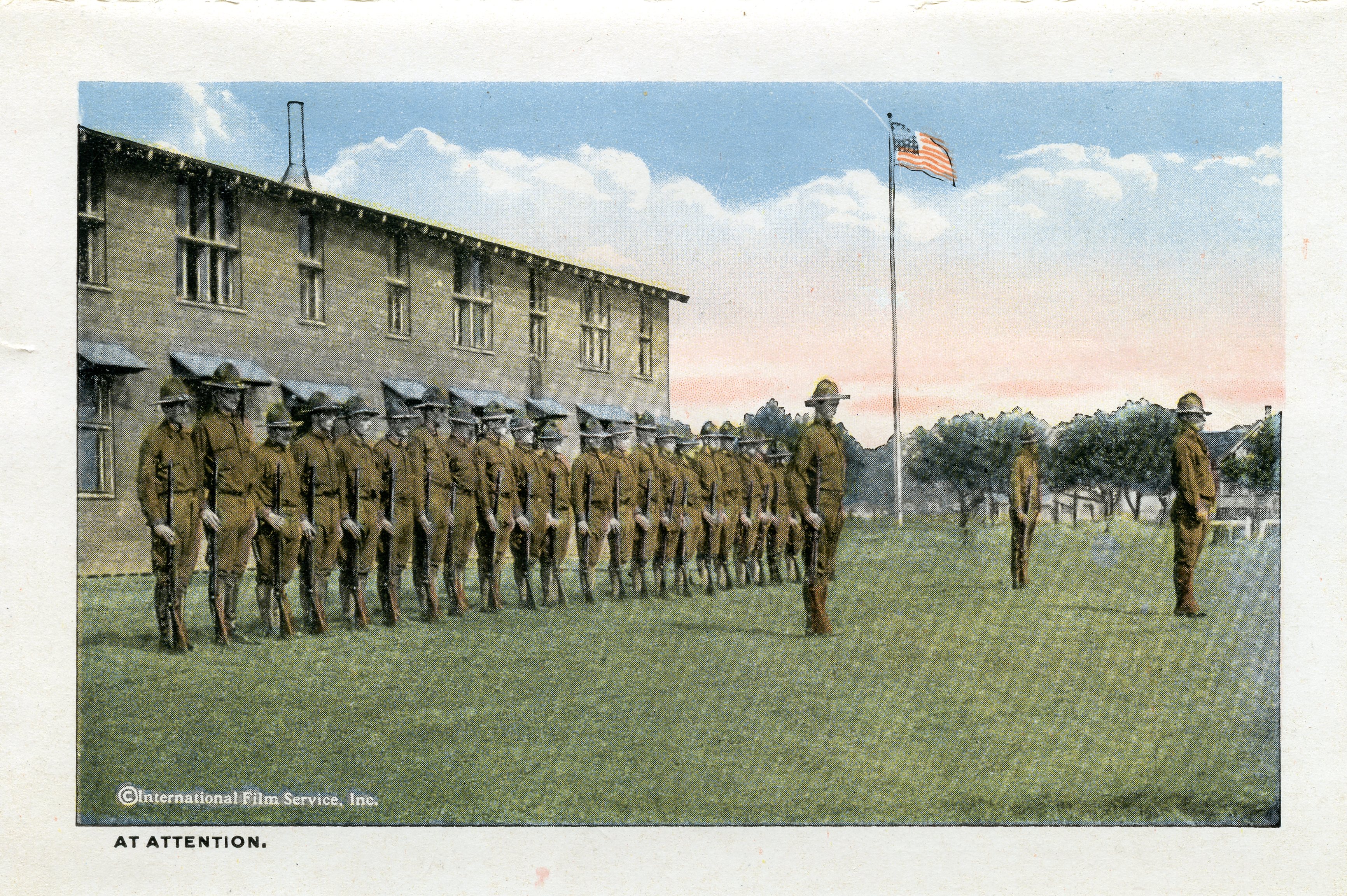
Camp Dix was named for Major General John Adams Dix, a veteran of the War of 1812 & the Civil War, who served as a US Senator, Secretary of the Treasury, Minister to France, and Governor of New York.
Construction began at the site in Burlington County, NJ in June 1917, and on July 18th, the War Department named the cantonment, Camp Dix. During World War I, the camp was a training and staging ground for the 78th, 87th & 34th Divisions. Camp Dix rapidly grew and by war's end was the largest military installation in the northeast.
Following the Armistice, the camp became a demobilization center. In March 1939, Camp Dix became Fort Dix as the installation transitioned to a permanent Army post. In October 2009, Fort Dix became part of Joint Base McGuire-Dix-Lakehurst.
Narrative adapted from Fort Dix official website.
Photos courtesy of:
Hand-colored postcards - Burlington County Library
Dormitory photo postcard - Rutgers University Libraries, Special Collections and University Archives
Troops Arriving photo postcard - NJ State Library
- Details
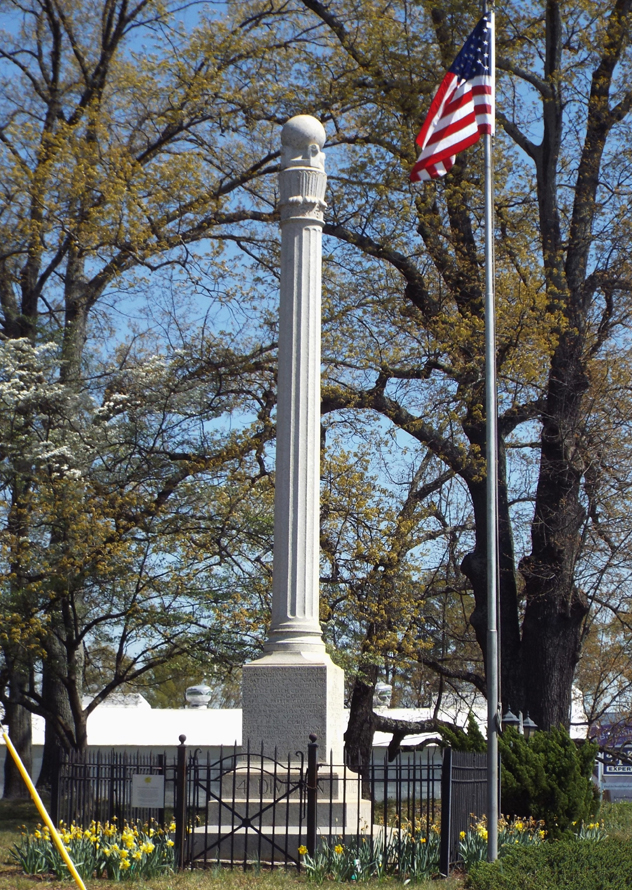
- The Daughters of the American Revolution erected a monument to the soldiers who served at Camp Greene. The monument is surrounded by a wrought iron fence and is located on the northeast corner of Wilkinson Boulevard and Monument Street in Charlotte, which are two of Charlotte’s thoroughfares.
- The Daughters of the American Revolution
- (Side Facing South) Erected by Mecklenburg Chapter Daughters of American Rev. in Commemoration of Camp Greene and In Honor of the Men Who Were Trained There For Service In World War Camp Greene July 12, 1917-June 30, 1919 (Side Facing East) 9th Infantry Brigade, 50th Infantry, 3rd Battalion, 90th Infantry, 2nd Battalion 122nd Infantry. 3rd, 4th, 5th, 56th, 57th, 810th, 817th Pioneer Infantries 3rd and 4th Motor Mechanics Regiments. 306th, 307th, 308th, 309th, 310th, 505th, 608th, 609th, 613th, 614th, 623rd, 627th, 680th, Aero Squadrons. 435th Engineers 51st Depot Brigade 1st Army Headquarters Detachment. 117th Ordnance Depot Company 3rd Division (Side Facing North) 17th and 41st Batallions United States Guards, 1st and 2nd Sanitary Squads. 60th and 429th Ambulance Companies. 30th Evacuation Hospital. 54th, 92nd, 122nd, 123rd, 147th Base Hospitals. Provisional Guard Unit. 318th and 371st Machine Shop Truck Units. 47th and 330th Motor Truck Companies. 7th, 92nd, 360th, 369th Bakery Companies. 306th Auxiliary Remount Depot. 344th, 345th, 346th, 347th and 348th Companies A and D of 349th Company A 350th and 423rd Labor Battalions and Camp Troops. 41st Division (Side Facing West) August 1, 1917-September 15, 1917 Commander Major W. S. Privott 3rd Battalion, 2nd N. C. Infantry, Co. B, ENG, N.C. N. G. Charlotte, NC. Capt. C. E. Bosch, COMDG. Co. D, 1st Inf. N.C.N.G. Charlotte, N.C. Capt. J. A. Parker, COMDG. M.G., Co. 1st Inf. N.C. N.G. Charlotte, N.C. Capt. R. H. Morrison, COMDG. Co. I, 2nd Inf. N.C. N.G. Edenton, N.C. Lieutenant E. G. Bell, COMDG. Co. K. 2nd Inf., N.C. N.G., Wilson, N.C. Capt. Louis Giddings, COMDG. Co. L. 2nd Inf. N.C. N. G. Lumber Bridge, N.C. Lieut. L. M. Currie, COMDG., Co. M. 2nd Inf., N.C. N. G., Dunn, N.C. Capt. J. L. Hines, COMDG. Lieut. Part of 30th Division
- Tower
Description:
The monument was erected to honor the men who trained for World War One at Camp Greene. The most striking feature is a tall fluted column with an elaborate carving at the top holding the earth. The column stands on a large granite plinth on a triple base with inscriptions naming all the units stationed at the camp. The south face also has the spinning wheel insignia of the Daughters of the American Revolution above the inscription. It is surrounded by a black wrought iron fence.
- Details
- Dedication Date: 1917
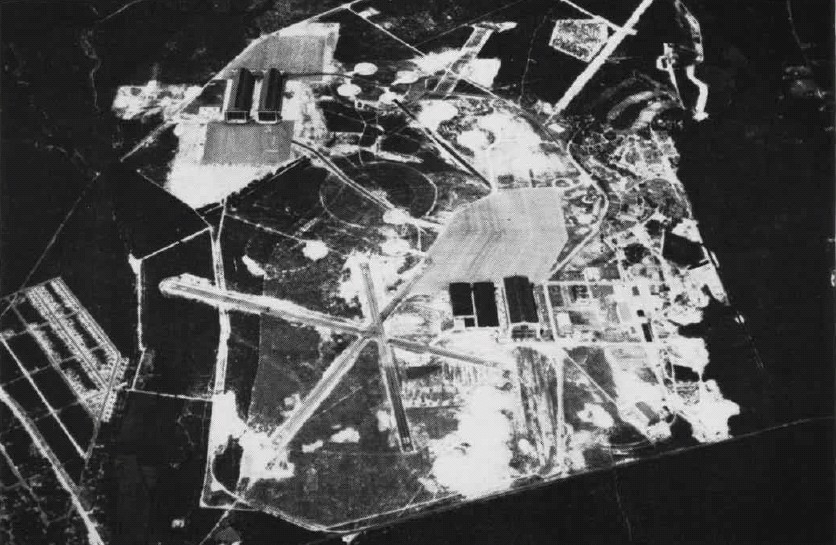
A portion of the land that later became the Naval Air Engineering Station Lakehurst was developed in 1916 as a munitions testing site for the Imperial Russian Army. When the United States became involved in World War I, the United States Government acquired the land and named it "Camp Kendrick." It was used as a troop training base, and was, for a short time, the home of the 1st Gas Regiment, a chemical weapons unit.
Narrative adapted from Joint Base McGuire-Dix-Lakehurst official website
Photo courtesy of: US Naval Aviation News
- Details
- Dedication Date: 1917
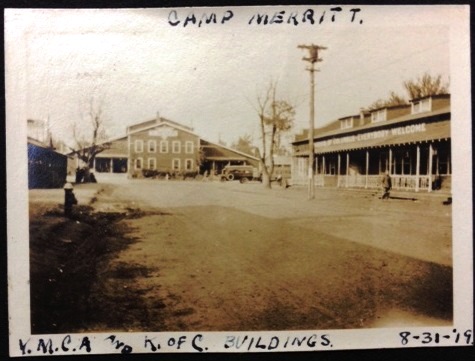
With the 1917 US entry into World War I, an embarkation camp was needed near Hoboken, NJ where troops could assemble for ship transport to France. Brigadier General William Wright selected a site centered on the intersection of Grant Avenue & Knickerbocker Road, occupying 770 acres in the boroughs of Dumont, Cresskill, Haworth, Demarest, Bergenfield & Tenafly. More than one million servicemen passed through the site. 578,566 went overseas and 509,515 returned. About half of the troops left from Alpine Landing by ferry, and half left by train for Hoboken where they boarded ships for overseas.
The largest embarkation camp in the US during WWI, a total of 1,302 buildings were erected to train 50,000 men at a time. With the end of the war, the camp was closed and its buildings removed. Today, the area is residential.
Photos courtesy of: Rutgers University Libraries, Special Collections and University Archives & Bergen County Historical Society
- Details
- Dedication Date: 1924
- Capt. Robert Ingersoll Aitken
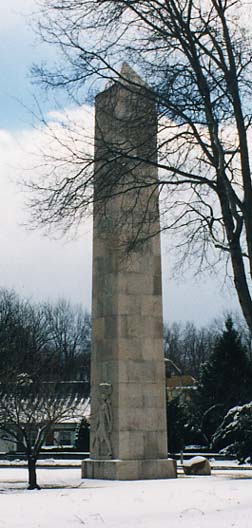
In August 1919, Bergen County purchased land for a monument commemorating the role of Camp Merritt during the Great War at the intersection of Madison Avenue & Knickerbocker Road in Cresskill - marking the center of the largest embarkation camp in the US during WWI. Modeled after the Washington Monument, the obelisk is 65 feet tall and made of granite. Inscribed on the base are the names of the 578 people who died at the camp, mostly as the result of the 1918 influenza epidemic. A large carved relief by the sculptor Robert Ingersoll Aitken shows a striding doughboy with an eagle flying overhead.
Set into a large boulder is a copper plaque with a relief of the Palisades, illustrating that the Camp Merritt site was used as an area of embarkation. The plaque was designed by artist Katherine Lamb Tait.
The monument was dedicated on May 30, 1924. A crowd of 20,000 heard a dedicatory address given by famed Army General Pershing.
Narrative adapted from Bergen County, NJ official website.
Photo courtesy of: Smithsonian Institution Research Information System (SIRIS)
- Details
- Dedication Date: 1921
- Memorial Hunters Club Submission: thewanderer
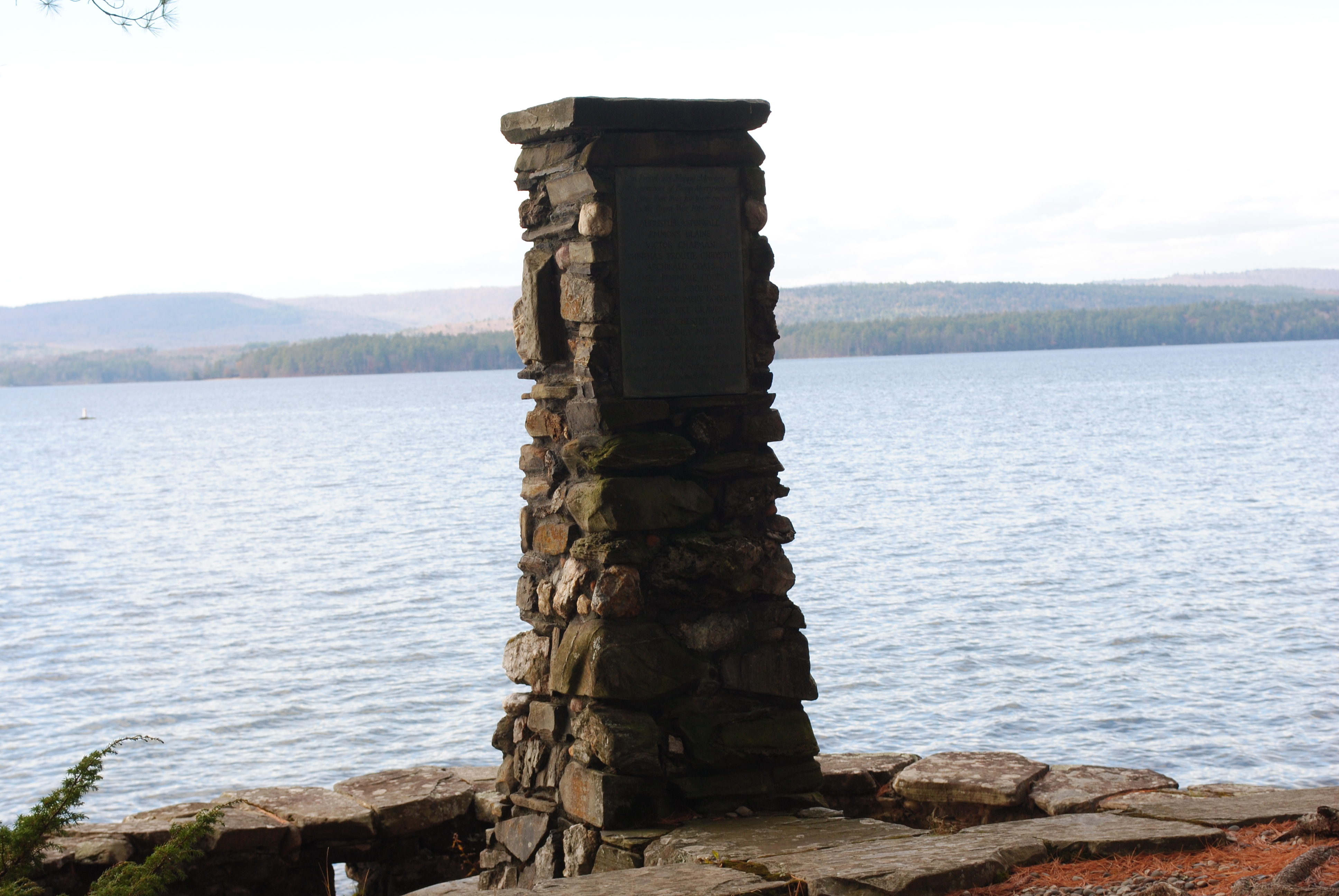
Inscription:
In Proud and Happy Memory
of the members of Camp Merryweather
who gave their lives for their country
in the Great War 1914-1918
AUGUSTUS ASPINWALL
EMMONS BLAINE
VICTOR CHAPMAN
ARCHIBALD COATS
JAMES FENIMORE COOPER
HAMILTON COOLIDGE
ALFRED MONTGOMERY GOODALE
EDMUND PIKE GRAVES
FREDERICK CHESTER LADD
PHILLIPS QUINCY MUIRHEAD
But yet-but yet-ah! ne'er forget
In tempest or in night
That clear and true still shines for you
The Merryweather Light
- Details
- Dedication Date: 1917
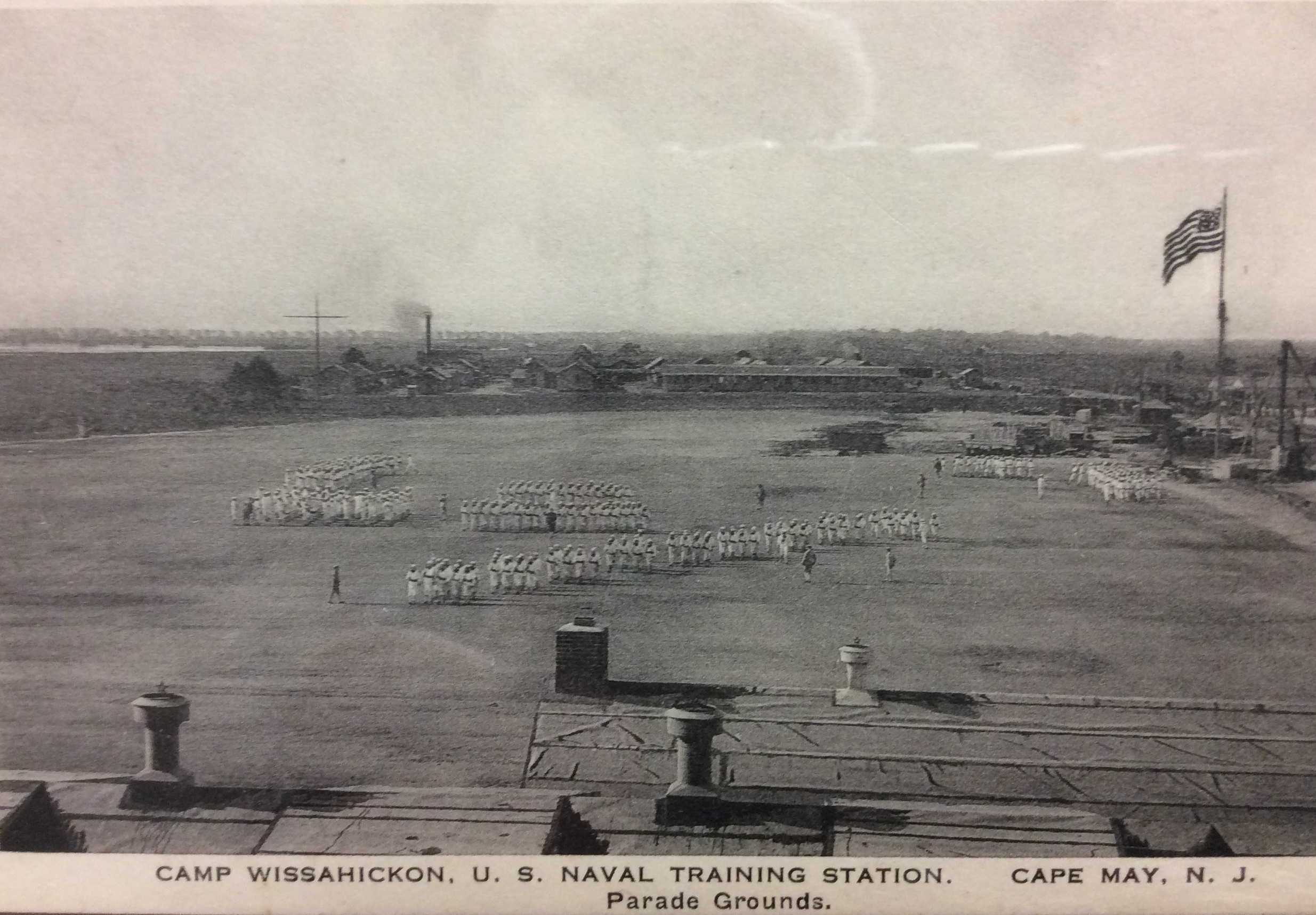
Camp Wissahickon was a WWI Naval Base located at Sewell’s Point, NJ. A strategic location, as it guards the mouth of the Delaware River – the only navigable waterway to the Philadelphia Naval Shipyard and associated defense industries. During the war, it provided operational support to minesweepers and submarine chasers. A submarine base was located across Cape May Harbor. The base also included a Naval Air Station, including a dirigible hangar built in 1918.
After the end of the war, the Navy & Coast Guard jointly used the base from 1920-25, when the Coast Guard took over.
The Navy Section Base 9 / Camp Wissahickon was constructed in 1917, on the site of the Fun Factory Amusement Park & Corinthian Yacht Club built in 1913 at Sewell’s Point.
The Fun House became Navy Section Base 9.
The Skating Rink became the mess hall & sleeping quarters.
The Corinthian Yacht Club became Section Base Headquarters in 1918.
A year after it was built, a suspicious fire destroyed the base while base personnel were participating in a nearby parade. The fire, suspected as arson, erupted simultaneously in four places. Personnel lost all possessions, and $200,000 worth of naval equipment was destroyed. The base was rebuilt, although soldiers had to wear donated civilian clothes for weeks until new uniforms arrived.
Camp Wissahickon accommodated 3,000 men. Reservists trained in: aiming & shooting guns; marching; seamanship; knot-tying; signals; boating; climbing masts; raising & lowering sails; and honing balancing skills.
Today, only the commanding officers’ quarters remain, but the buildings have been moved to Columbia Avenue & Stockton Place.
Narrative adapted from US Coast Guard official website.
Photos courtesy of: Rutgers University Libraries, Special Collections and University Archives
- Details
- Dedication Date: 1955
- Memorial Hunters Club Submission: Memorial Hunter: Robert Shay, PH3, USNR-R, 1964-70
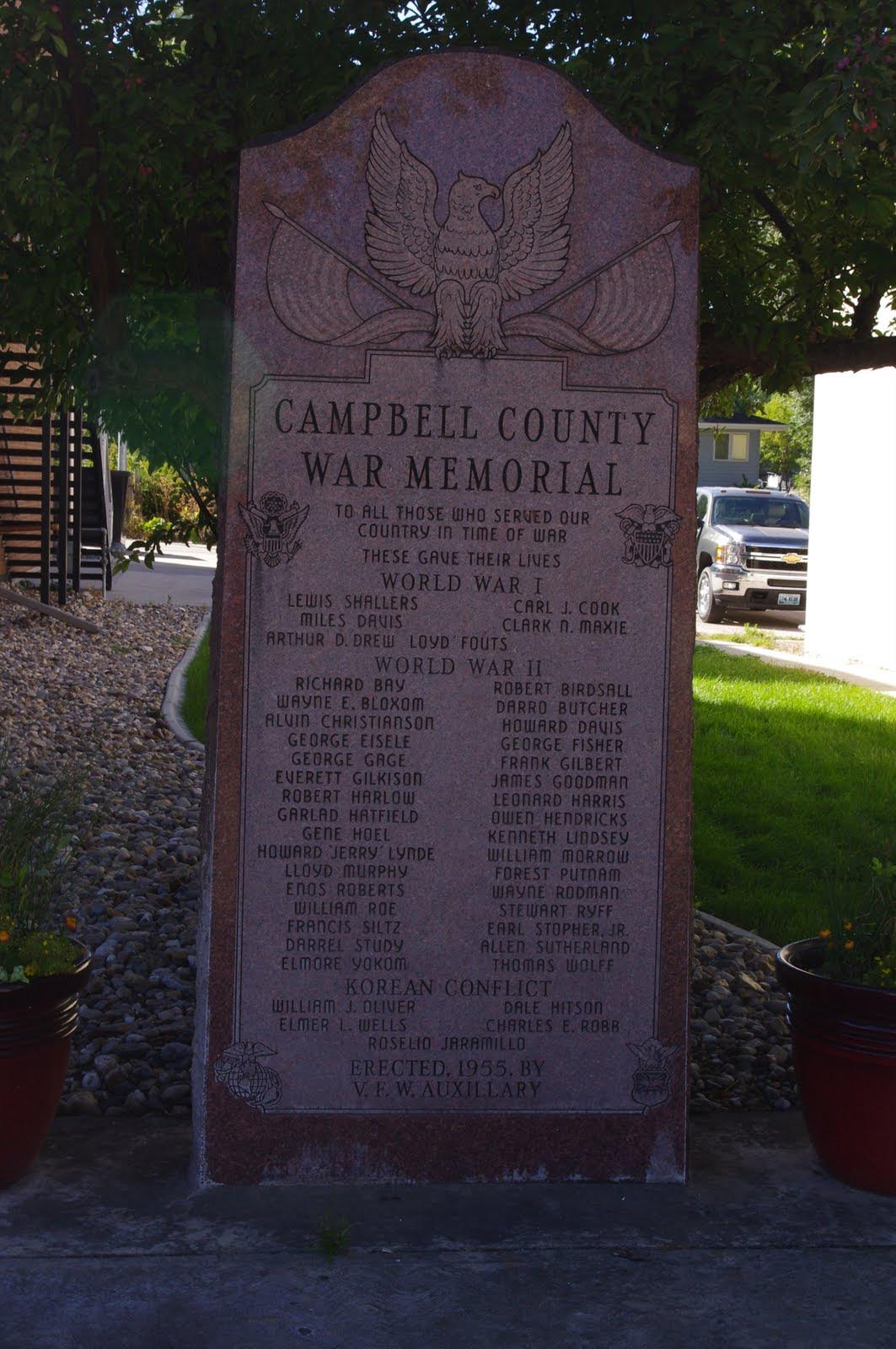
This memorial, the older of the two in Gillette, honors "all who served our country in time of war" and lists the names of those from Campbell County who gave their lives in World War I, World War II, and the Korean War. It is located outside the courthouse.
- Details
- Memorial Hunters Club Submission: thewanderer
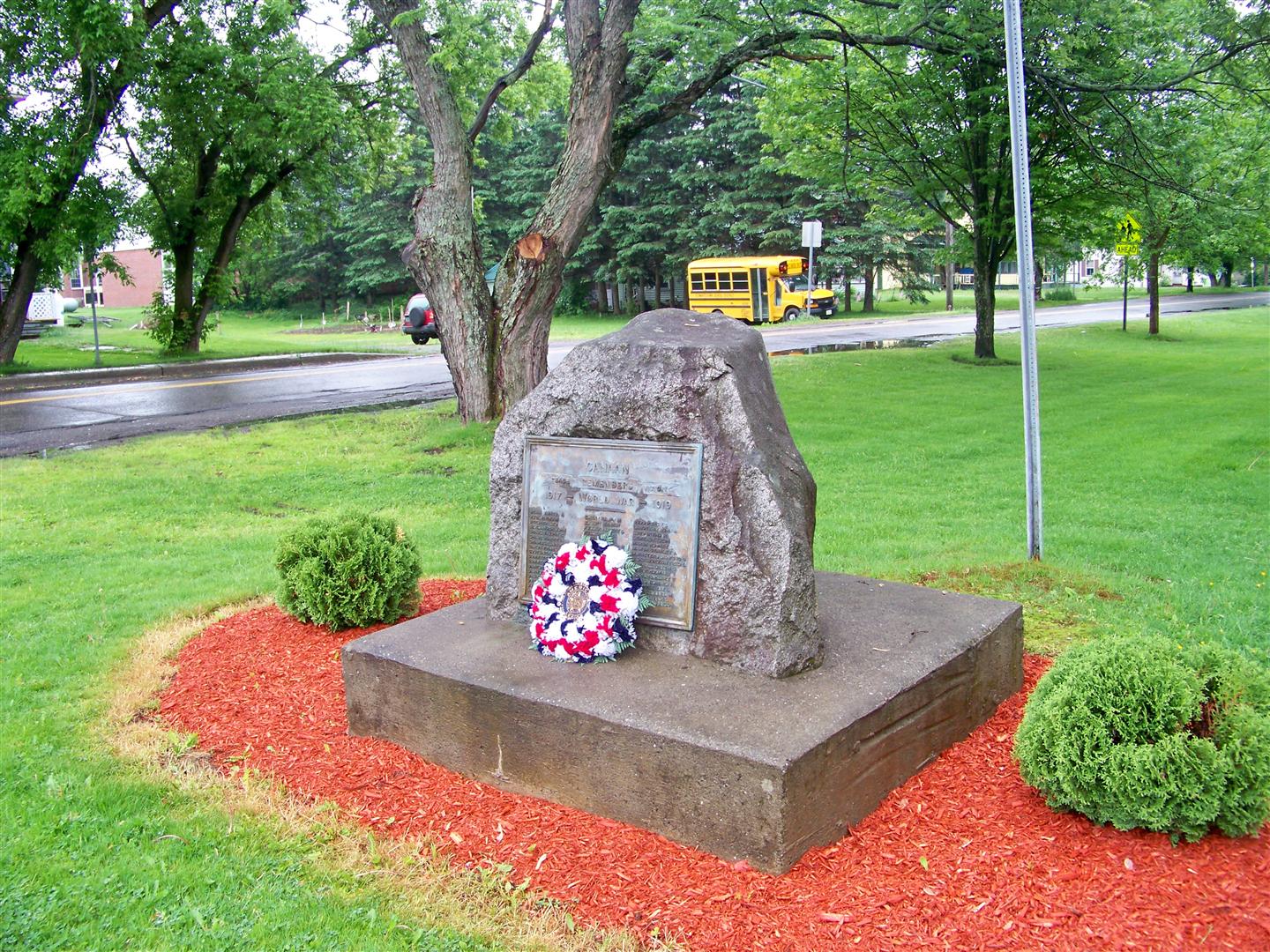
This WWI Memorial is located along the road in a small park in Canaan, Vermont. It honors the soldiers from Canaan who served during World War I.
- Details
- Dedication Date: 1927
- Sir Reginald Bloomfield
- Memorial Hunters Club Submission: thewanderer
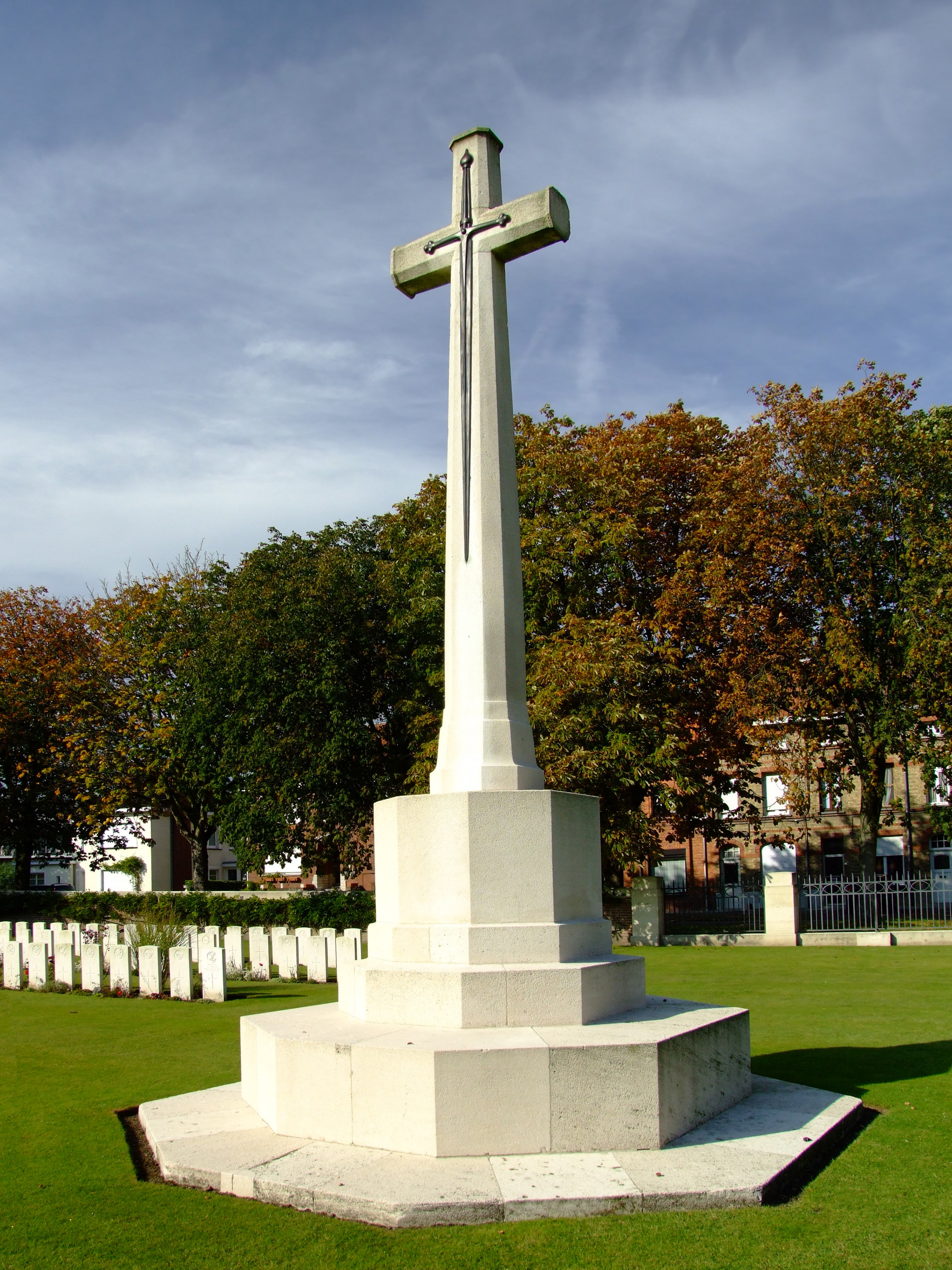
Original Text:
Erected by the Government of Canada in honour of the citizens of the United States who served in the Canadian Army and gave their lives in the Great War, 1914-1918.
"Few countries enjoy the bonds of goodwill and friendship that the United States and Canada share. Our common border remains the longest unguarded frontier on earth, and our nations have shared triumphs and tragedies throughout history. It was in this spirit of friendship that in 1925 Canadian Prime Minister MacKenzie King first proposed a memorial to the large number of United States citizens who enlisted in the Canadian Armed Forces, and lost their lives during World War I. Because the Canadians entered the war long before the United States, many Americans enlisted in Canada to join the fighting in Europe.
"On June 12, 1925, President Calvin Coolidge approved the request, and on Armistice Day 1927 the monument near the Memorial Amphitheater was dedicated. Designed by Canadian architect Sir Reginald Bloomfield, the monument consists of a bronze sword adorning a 24-foot gray granite cross.
"The inscription on the cross reaffirms the sentiment expressed by Prime Minister King regarding Americans who served in the Canadian Armed Forces. Following World War II and the Korean War, similar inscriptions on other faces of the monument were dedicated to the Americans who served in those conflicts."
- Details
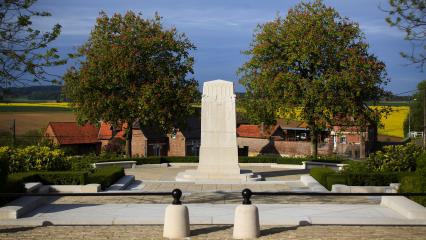
The World War I Cantigny American Monument is located in the middle of the village of Cantigny (Somme), near the church. This battlefield monument commemorates the first large offensive operation by an American division during World War I and stands in the center of a village which was captured during that attack. The village was completely destroyed by artillery fire. The location of Cantigny on high ground was an essential location for German forces. Its seizure by the Americans would weaken the effects of the German offensives in that sector.
The 28th Infantry Regiment of the 1st Division, reinforced by companies of the 18th Infantry Regiment, led the attack. Its assault began at 6:45 a.m. on May 28, 1918. Support included American and French artillery, mortars, machine gun, flame throwers, and tanks. Although they encountered heavy German resistance, the 1st Division units prevailed, seizing all objectives by noon. German counterattacks and heavy artillery bombardments continued for three days. The 1st Division units held firm to the ground they had gained. On June 2, the 1st Division assumed control of more of the sector, releasing French units to fight elsewhere.
The monument consists of a white stone shaft on a platform surrounded by an attractive park, developed and maintained by ABMC. The quiet surroundings now give no hint of the bitter hand-to-hand fighting which took place nearby many years ago.
- Details
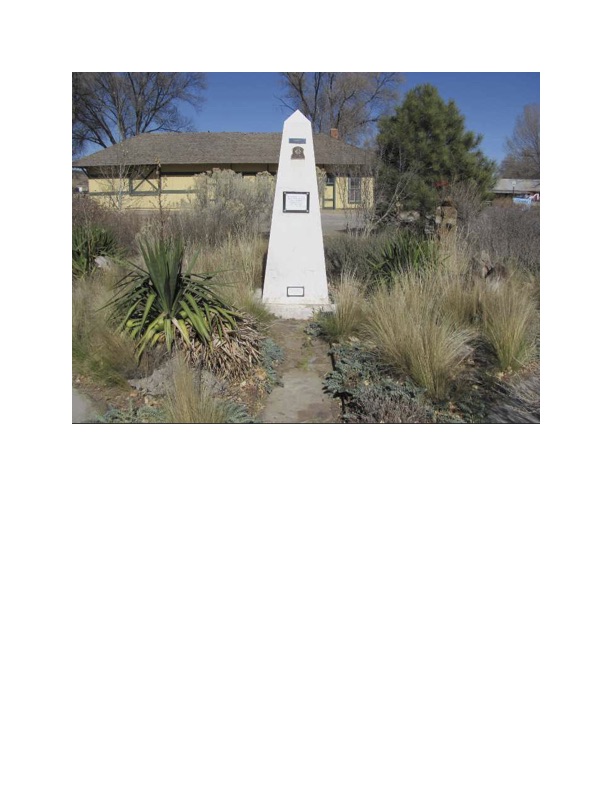
A concrete obelisk, painted white, was erected here in about 1945. It originally had a bronze plaque listing the names of Lincoln County residents who were killed or lost in WWI and WWII. The plaque was stolen and replaced by another in about 1990 which honors veterans of all wars.
- Details
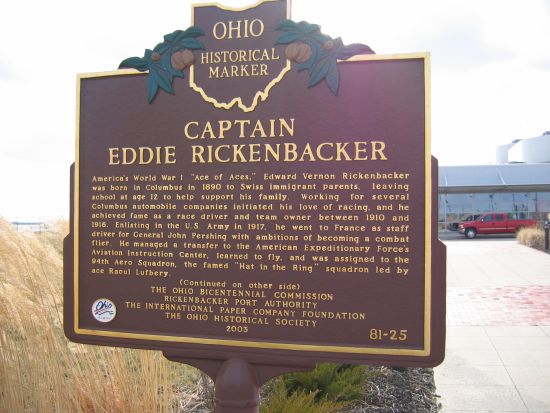
America's World War I "Ace of Aces," Edward Vernon Rickenbacker was born in Columbus.
- Details
- Dedication Date: 1938
- Memorial Hunters Club Submission: thewanderer
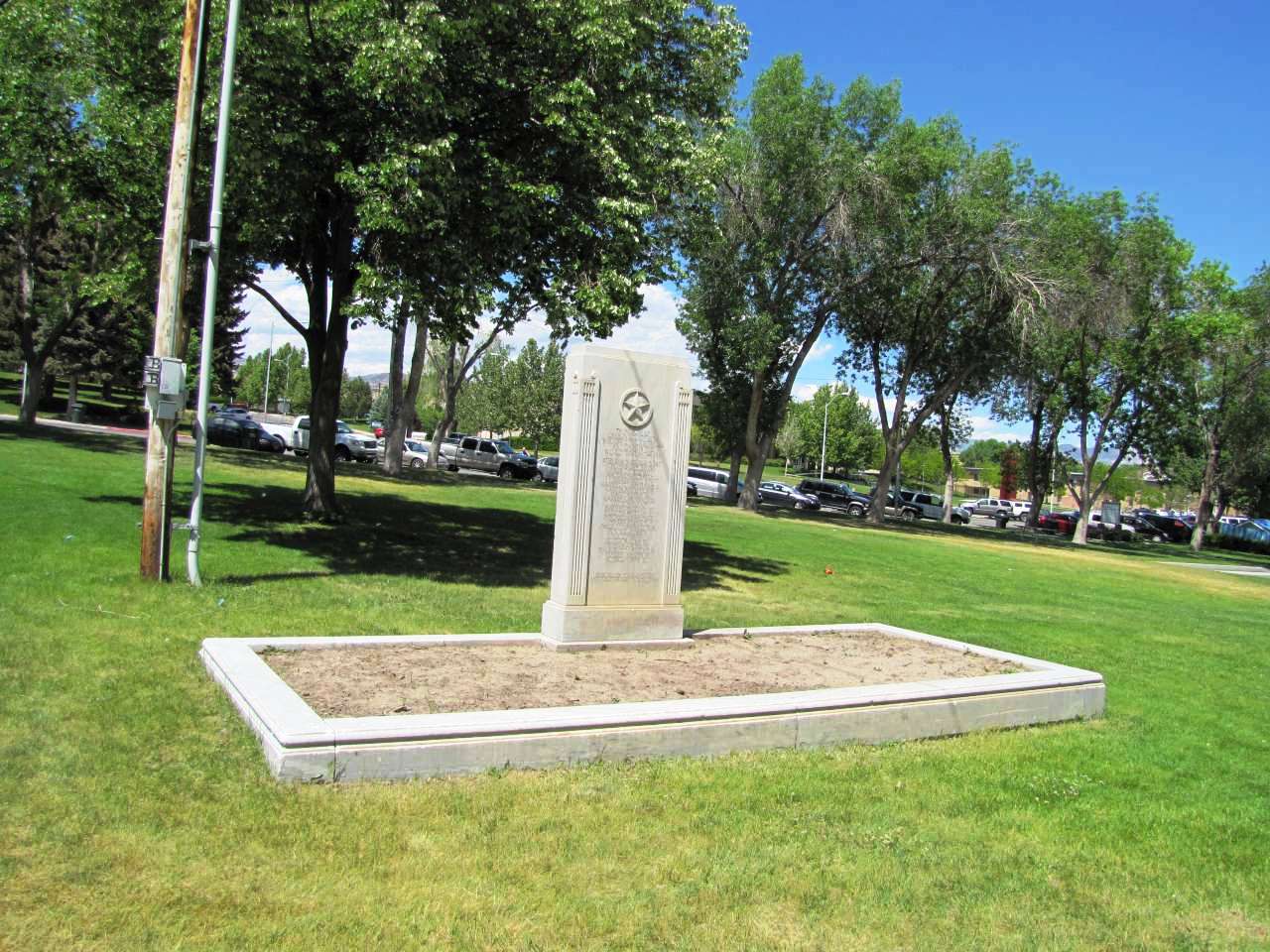
World War I memorial in Washington Park on the north side of Price, Utah.
Text of memorial:
In Memory Of
Carbon County Boys
Who Gave Their Services
And Lives In The
World War, 1917-1918
Stevenson, George West
Thomas, Guy Irving
Albo, Vincenzo
Anderson, Edward C.
Baker, Burl H.
Crawford, Abraham J.
Curtis, Adolphus B.
Harding, Ben A.
Larsen, Lawrence E.
Lietz, William
Mather, William H.
McComb, William J.
Michell, Charles, J
Naranjo, Joe R.
Palliouthakis, George
Powell, Joseph
Redo, Frank
Roberts, John W.
Thomas, Arthur P.
Walkington, William H.
Worley, Nelden F.
Zobell, Henry R.
Erected By Price Chapter
Service Star Legion, Nov. 11, 1938
- Details
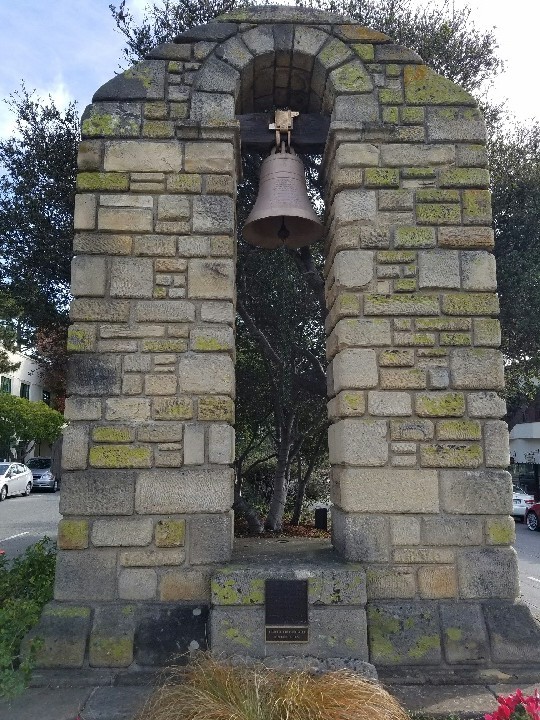
Carmel-by-the-Sea World War I Memorial Arch
100 Cities / 100 Memorials
 This memorial arch houses a ceremonial bell, which is inscribed: "In honor of those who served / In memory of those who died / We dedicate this Centennial Bell / October 31, 1916 ... October 31, 2016 / American Legion Post 512 / The people and City of Carmel-by-the-Sea." This monument was designed in 1919 by celebrated architect Charles Sumner Green and is constructed of carmel stone. For 44 years the memorial arch lay empty, as there were not enough funds to construct a bell. A donated bell thought to date back to 1692 was added to the memorial in 1966, where it stood until it was replaced by a new bell on Veterans Day 2016. The old bell is now stored at the library's Local History Room.
- Details
- Width: 10'5
- Depth: 8'6
- Other Measurements: Bas-relifs H:10'10
- June 1921
- Dedication Date: June 1921
- Eighth Assembly District Memorial Committee
- Stele on plinth on step; stele with bas-reliefs on north and south sides, and plaques on east and west sides
- Eugene H. Morahan
- Wall
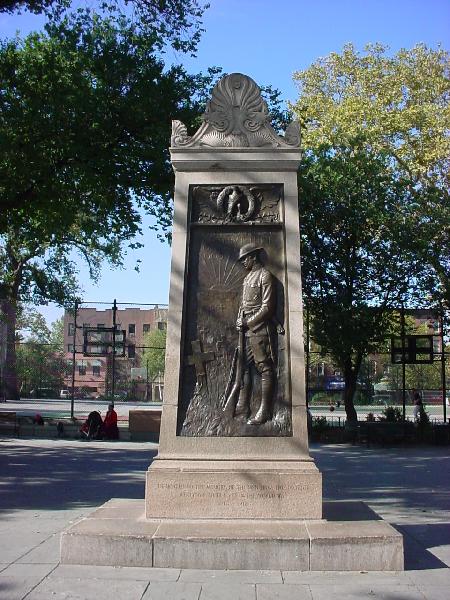
Side 1: They faced the perils of the sea and the hidden foe beneath the waves.
Side 2: They sought no glory but their country's good.
Two Honor Rolls entitled: Died in the service of their country.