


































The Enemy, Allied Memorials, Native Americans, Colonial Soldiers, New WWI Art, Music, Poetry, and Fiction, and Scholarship and Teaching: Part 5 of Not One, But Two Years of WWrite in Review! January 2017 - January 2019.
 "ComingWorldRememberMe" Ypres art installation by Koen Vanmechelen. 600,000 miniature clay sculptures represent a figure mourning WWI bearing the name of a dead soldier. Image credit: DW
The last installment of the WWrite 2-Year Review! Since January 2017, WWrite has published a diversity of voices and stories from past and present. This week, part 5 takes a look at the following categories: The Enemy; Allied Memorials; Native Americans; Colonial Soldiers; New WWI Art, Music, Poetry, and Fiction; Scholarship and Teaching. Read the fascinating ways international writers, scholars, and artists have commemorated the centennial at WWrite this week!
Not One, But Two Years of WWrite in Review! January 2017 - January 2019.
Part 3: WWrite at Yale's Centennial Armistice Commemoration
With Benjamin Busch, Peter Molin, Adrian Bonenberger, and Brianne Bilsky
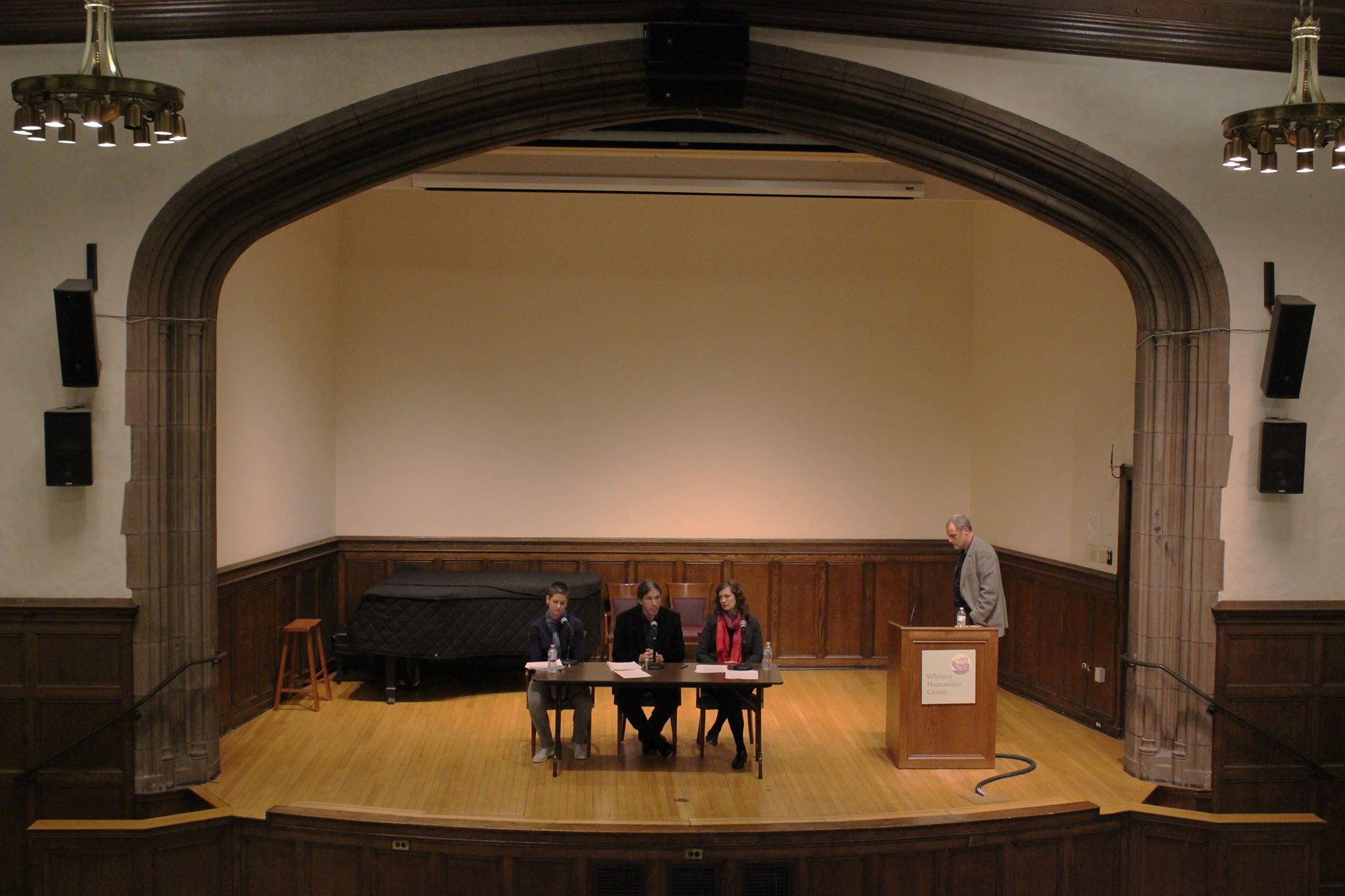 From left to right: Brianne Bilsky, Benjamin Busch, Jennifer Orth-Veillon, Peter Molin. Photo credit: Ira Zolomko
After almost two years of WWrite’s life, the blog had the opportunity to go from writing on the screen to live discussion at Yale University. Why Yale?
Not One, But Two Years of WWrite in Review! January 2017 - January 2019.
Part 4: Women Writing WWI
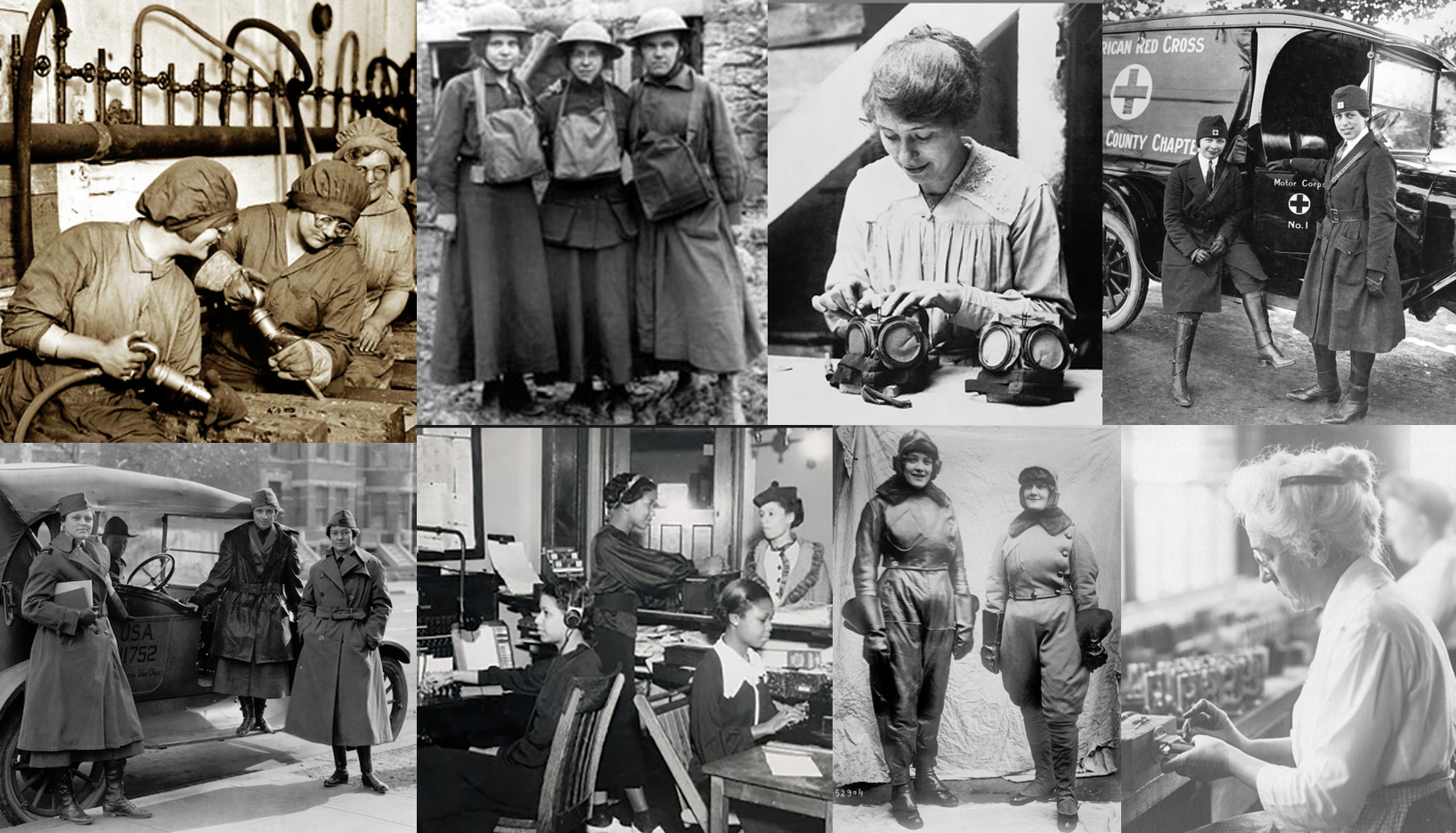 Women in WWI. Image credit: World War One Centennial Commission
Over 22,000 American women served as nurses during WWI. The Navy and Marines accepted 13,000 women into active duty. Thousands have written about their experience, which has inspired contemporary women scholars and writers to explore the war through research and art. This is the 4th installment of the series, “WWrite Blog: Two Years in Review of WWI and Writing,” that will document and synthesize the 100+ blog contributions from January 2017. This week features posts about women's incredible involvement in WWI as fighters and writers.
The first section, "Women in WWI: Nurses, Fighters, Writers," lists posts about women who served in WWI or lived during the WWI period. The second section, "Women's Art, Scholarship, and Writing about WWI," lists posts by women who have devoted their scholarship, writing, or art to WWI.
Not One, But Two Years of WWrite in Review! January 2017 - January 2019.
Part 1: WWI and Today's Veteran Writers
By Jennifer Orth-Veillon, Curator
Over the month of January, to prepare for the remaining months of the blog, WWrite will publish a “WWrite Blog: Two Years in Review of WWI and Writing,” a series that will document and synthesize the 100+ blog contributions from January 2017 to January 2019. This first installment of the series will highlight contributions from U.S. veteran writers:
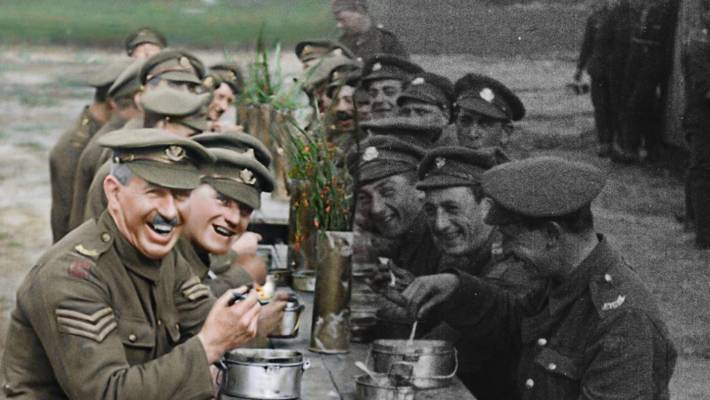 Before and after adding color in Peter Jackson's They Shall Not Grow Old. Left: colored image from WWI footage. Right: original footage. Image source: The Guardian
They Shall Not Grow Old – Director Peter Jackson Adds Color and Proximity to WWI
Last Thursday, December 27th, I sat in a packed Regal Cinema theater in Norfolk, Virginia, close to where I grew up in the Tidewater region that William Styron writes about in books such as Lay Down in Darkness, A Tidewater Morning, and The Confessions of Nat Turner. Like Mark Facknitz, a WWrite contributor and member of the World War Centennial Commission’s Historical Advisory Board, I do not normally like colorization of black and white films, but this film offers an exception for me. Facknitz sums up my feeling about the documentary in a recent Facebook post: “I saw this today. Very interesting. Though usually averse to colorization, and inclined to be strict about the need to protect historical evidence and to fully elaborate context, I yield my scruples on this one. It allows an immediacy and sometimes distressing capacity to imagine the lived reality of the soldiers on the Western Front.”
Not One, But Two Years of WWrite in Review! January 2017 - January 2019.
Part 2: African Americans in WWI
Over the month of January, to prepare for the remaining seven months of the blog (the tentative end date is July 2019), WWrite is publishing a “WWrite Blog: Two Years in Review of WWI and Writing,” a series that will document and synthesize the 100+ blog contributions from January 2017. The first installment of the series highlighted contributions from U.S. veteran writers. This week features posts about African American involvement in WWI.
The Invisible and the Inaudible in Peter Jackson's Documentary They Shall Not Grow Old
 African American WWI soldier posing in Front of mockup of American flag. Courtesy Stars and Stripes.
Last month director Peter Jackson stunned the world with the release of his documentary, They Shall Not Grow Old. Jackson parsed 600 hours of WWI black and white film footage to come up with about two hours that he had colored and animated with voices, music, and other sounds. The critical and audience responses have been tremendous. Rich Lowry of the National Review begins his article on They Shall Not Grow Old by announcing “The filmmaker Peter Jackson deserves more than an Oscar; he deserves a medal.” A trip to the Rotten Tomatoes website shows that almost all of the 80+ audience reviews boast a five-star rating. Jim S writes “Wow, just saw this tonight in Los Angeles...how often does a documentary get a round of applause from the audience after a viewing. Pretty amazing to see the realities of WWI close-up and personal. Very powerful film.” Most laud Jackson for humanizing the soldiers and the trench experience as the documentary brings the past into contemporary consciousness with the most modern technological tools. We hear what we thought once inaudible, see what was invisible.
 Scene from They Shall Not Grow Old
Mediated Memory, Myth, and Legend: The Christmas Truce of 1914 and the Great War in Modern Thought
By Anna Rindfleisch
 Lone candles on the doorstep of 10 Downing Street, War Memorial, and the light installation 'Spectra' in London. Image Source: Getty
In the wake of the centenary of the signing of the Armistice, the focus of the lasting legacy of the Great War is shifting to a discussion on the ways in which the European people exited the “War to End all Wars”. The massive outpouring of social media postings and institutional centenary events over the past four years suggests that the 100-year-old trauma attached to the iconic image of the Front Soldier has been transmitted down generations and shaped our contemporary understanding of the Great War. When BBC published a video-short in 2015 "How Much Do Millennials Know About WWI?" the content shocked. What truth these European millennials knew of the Great War seemingly reflected the atmosphere of those who'd lived a hundred years ago. They knew it was fought mainly in Europe, it had been a horrific event, a lot of teenage boys were sent to fight, a lot of them were killed, and Germany lost. As to why the fighting started or what its ultimate purpose was, they had no words.