































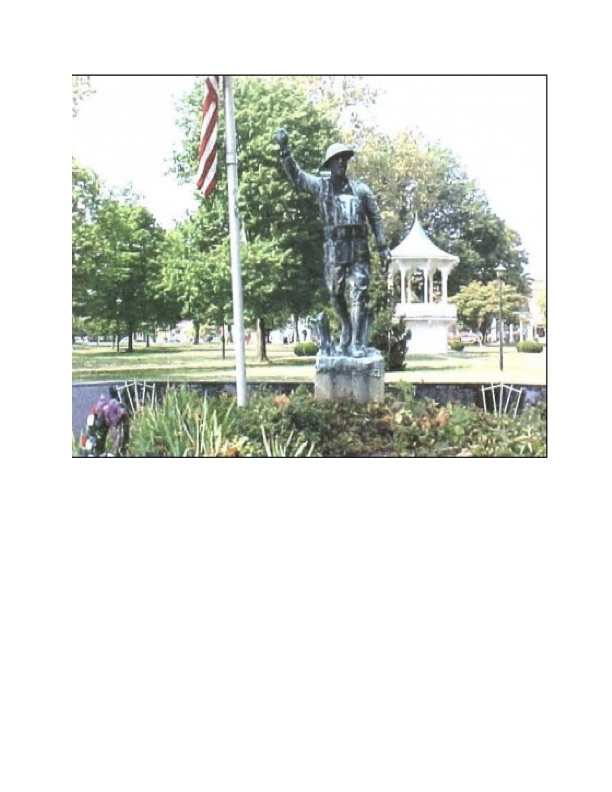
This is a life-size metal statue of a WWI soldier advancing through No Man's Land, carrying a grenade and rifle. It was sculpted by E.M. Viquesney and is mounted on a stone base.
100 Cities - 100 Memorials
Memorial Inventory Project: There is one other existing partial database to consult - The WWI Memorial Inventory Project [CLICK HERE]. It contains some memorials our map doesn't. The listings on this database are fair game for the Memorial Hunters Club. So if you want to search for treasure from your desk - find missing listings here and submit them. Remember though, you will need to come up with pictures and the history of the memorial. You might be able to hunt that down through www.Proquest.com and Google.
- Details
- Memorial Hunters Club Submission: The Wanderer
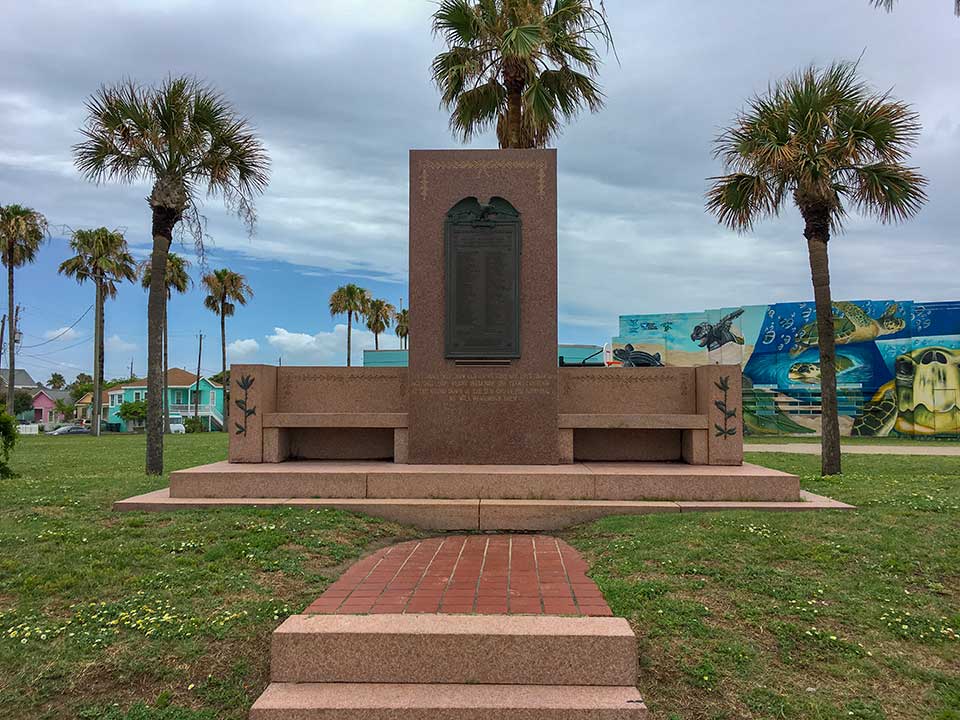
The inscription on this Honor Roll reads:
1917 Honor Roll 1918
We with uncovered head
salute the sacred dead
who went and who return not.
This is followed by a listing of those who died during the Great War.
- Details
- Memorial Hunters Club Submission: The Wanderer
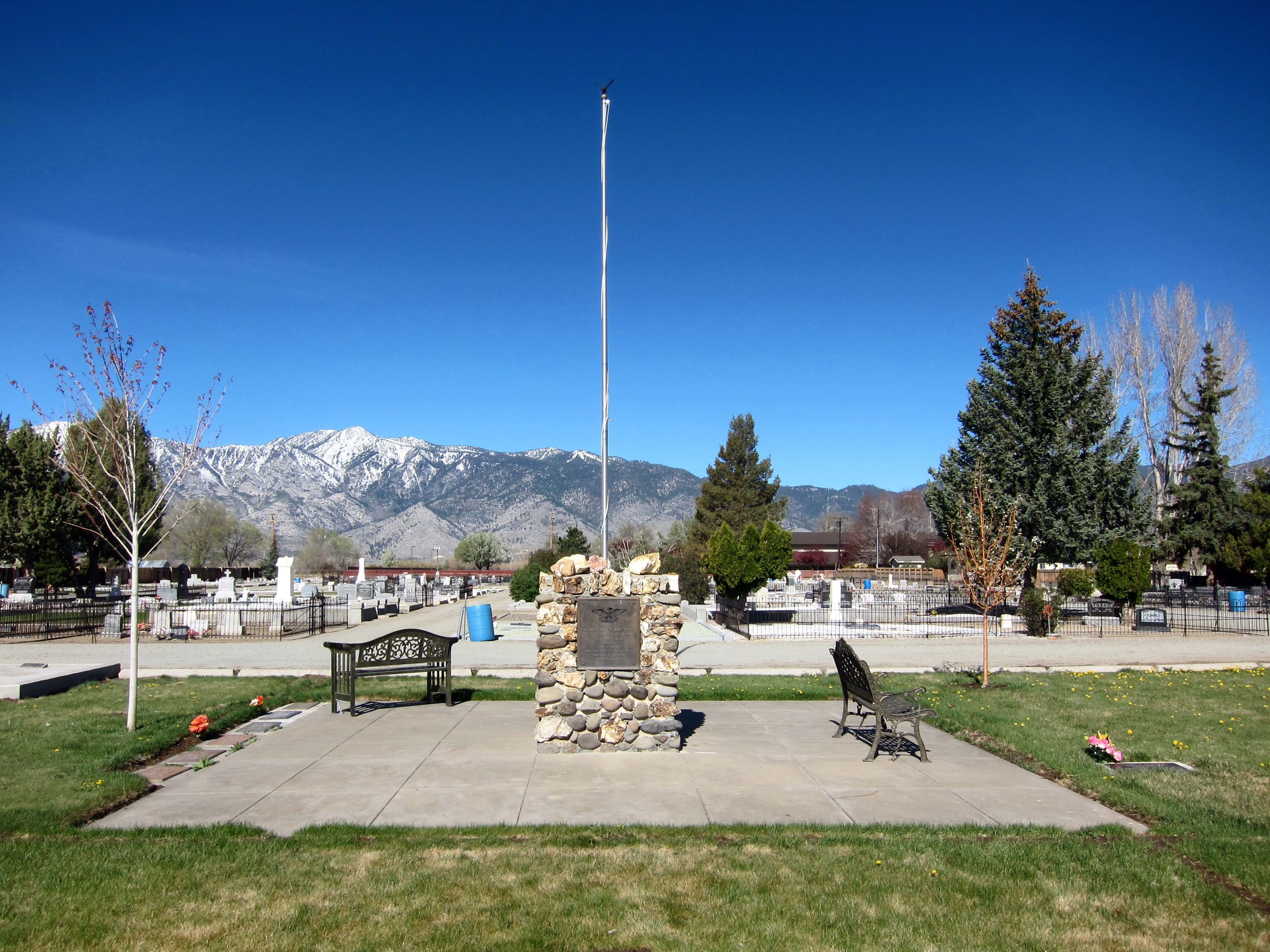
The Garden Cemetery was established in the late 1800's. Interred here are generations of prominent Carson Valley families. All who are laid to rest here are part of the history of this community, and their contributions to The Valley stand today. In the middle of the cemetery is a military memorial. Dedicated by the American Legion in 1930, it reads, "In Memory of the Boys of the World War, 1917-1918".
- Details
On a small traffic island is a rough granite stele with a curved top, erected in 1955. It is a memorial to the more than 350 Polish-Americans from Gardner who served in WWI and WWII. Of the 29 Gardner residents killed in WWI, two were of Polish descent. For WWII, 18 of the 88 killed were of Polish descent.
- Details
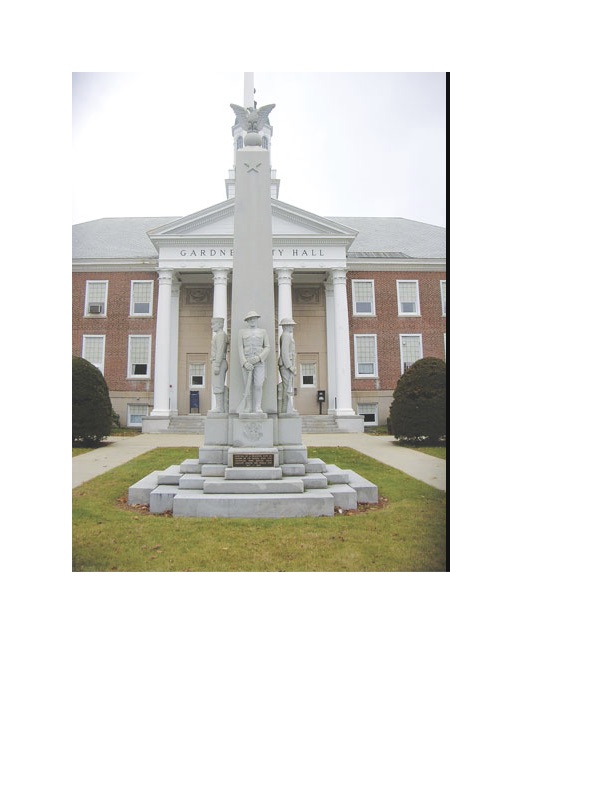
A 26 foot tall granite obelisk was erected in 1939 to honor those from Gardner who served in WWI. On each face of the monument is a WWI figure - a soldier, sailor, marine and nurse — with a military insignia beneath each. Atop the obelisk is an eagle perched on a ball. This is a tribute to the sons and daughters of Gardner who served in WWI.
- Details
- Memorial Hunters Club Submission: Robert Shay, PH3, USNR-R, 1964-70
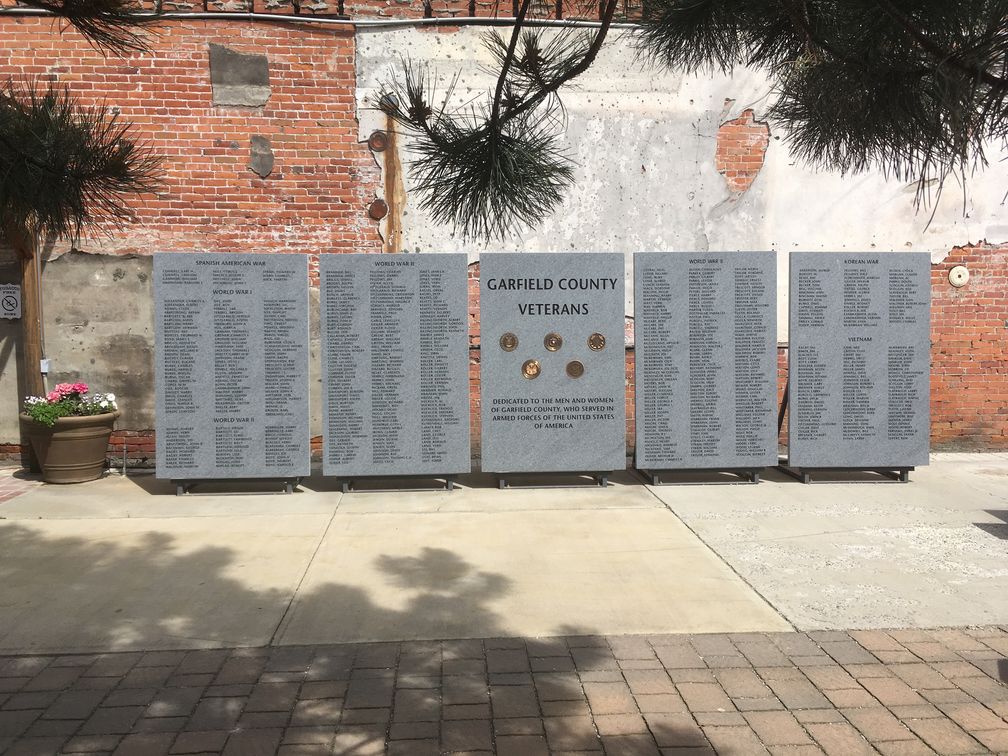
On April 8, 2014, the Pomeroy City Council authorized local businessman, Korean War veteran and lifelong resident of Garfield County, Robert C. “Bob” Koller to “…erect a veterans’ memorial, which will list the names of Pomeroy’s veterans on plaques to be displayed at Pioneer Plaza.” From that simple beginning, Bob spearheaded a one man, self funded, effort that culminated in the Memorial’s dedication in September of 2014. Bob served in the Army at it’s Intelligence School, Fort Holibird, Maryland and attained the rank of Corporal. For his work on this project and contribution to the community, Bob was named Citizen of the Year, by the Pomeroy Chamber of Commerce.
When asked why he under took this project, he said that “Garfield County had been very good to him throughout his life and he wanted to give something back”. Bob credited his daughter, Diana Burt, with doing the research to compile a list of veterans names from the Spanish American War to the Vietnam War that either enlisted or were drafted from Garfield County.
- Details
- Memorial Hunters Club Submission: Robert Shay, PH3, USNR-R, 1964-70
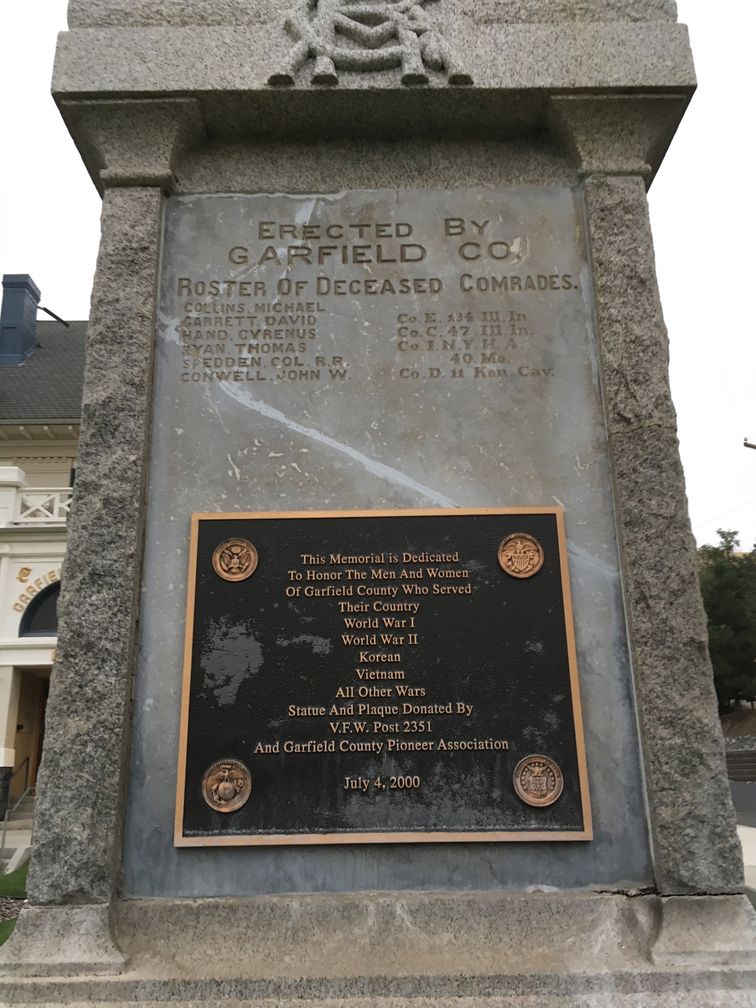
This Monument sits on the lawn in front of the 1901 re-built courthouse. The original 1887 wood courthouse burned down in 1900, The Civil War statue was erected by the G.A.R., Grand Army of the Republic, the Union Army Veterans Association, McDowell Post No. 22, Department of Washington & Alaska. It was placed in front of the courthouse in 1904 at the Fourth of July celebration. Due to deterioration, the original statue was removed in the 1950s. In 2000, the VFW Post #2351 and the Garfield County Pioneer Society funded and dedicated thand those Sons of Garfield County lost in the war. When the new state was dedicated, a new bronze plaque was added with the inscription:
- Details
- Dedication Date: 1921

Originally, a tree was planted for each local soldier who died during World War I. 290 trees were initially planted with markers next to each with the name of each soldier and the date of death.
- Details
- Memorial Hunters Club Submission: Robert Shay, PH3, USNR-R, 1964-70
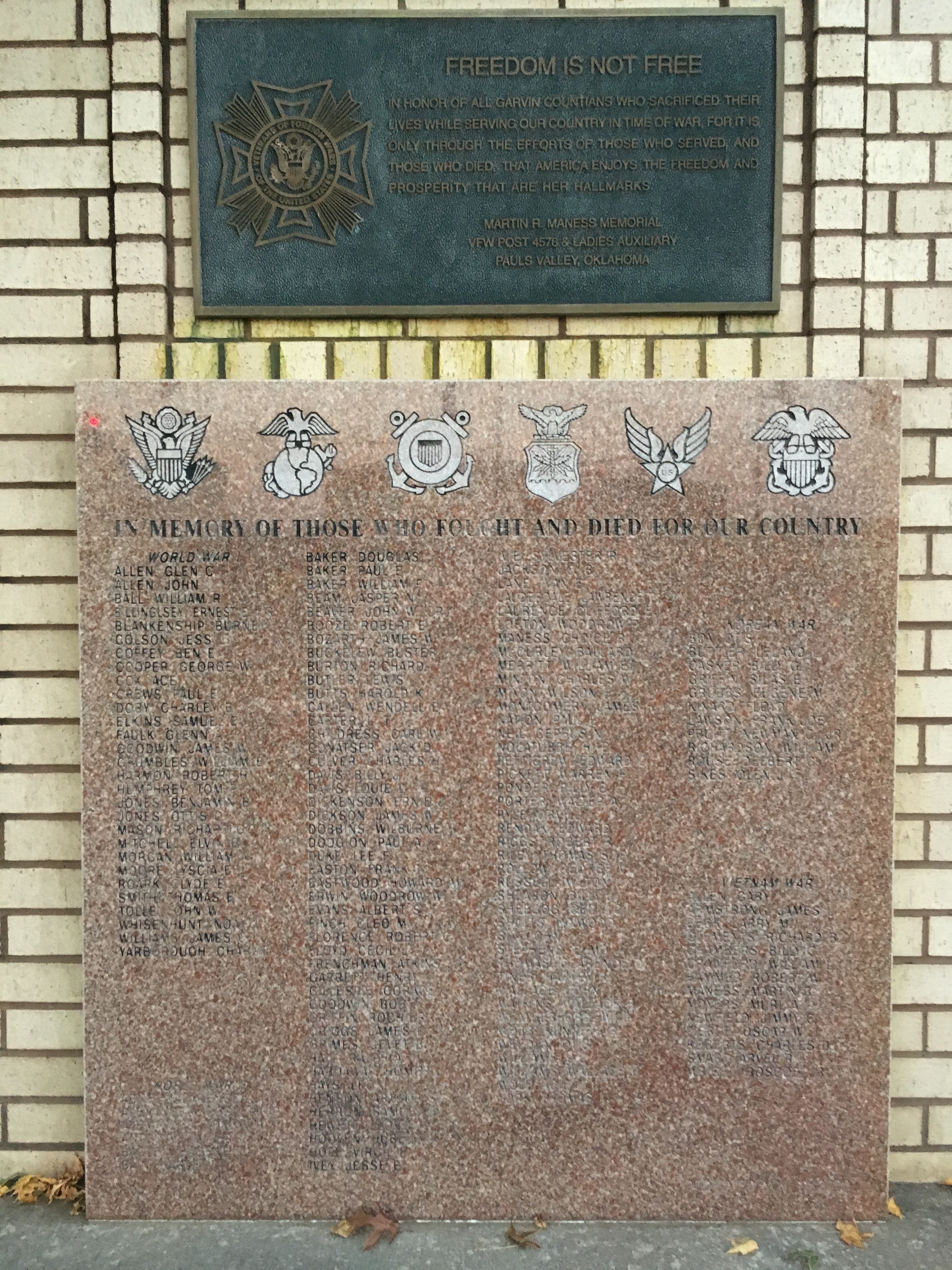
Garvin County Veterans Memorial Plaza, Titled “Freedom Is Not Free” is dedicated “ IN HONOR OF ALL GARVIN COUNTIANS WHO SACRIFICED THEIR LIVES WHILE SERVING OUR COUNTRY IN TIME OF WAR. FOR IT IS ONLY THROUGH THE EFFORTS OF THOSE WHO SERVED, AND THOSE WHO DIED, THAT AMERICA ENJOYS THE FREEDOM AND PROSPERITY THAT ARE HER HALLMARKS”.
Dedicated in memory of Martin R. Maness by VFW Post 4576 & Ladies Auxiliary.
Located on the ground of the Garvin County Courthouse, Pauls Valley, OK 73075-3248
- Details
- Memorial Hunters Club Submission: The Wanderer
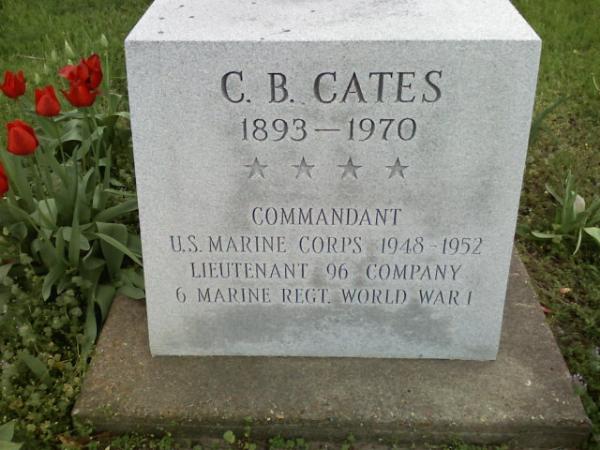
During World War I, Cates served with the 6th Marine Regiment, fighting in France. For his heroism in the Aisne defensive at Boursches and Belleau Wood, he was awarded the Navy Cross, the Distinguished Service Cross and Oak Leaf Cluster, in addition to the Purple Heart. He was awarded a Silver Star for his gallantry at Soissons. In addition to his medals from the U.S. military, he was recognized by the French government with the Legion of Honor and the Croix de Guerre with Gilt Star and two palms.
Cates returned to the United States in September 1919, and he served in Washington, D.C. as a White House aide and Aide-de-Camp to the Commandant of the Marine Corps. In 1920, he served in San Francisco, California, as Aide-de-Camp to the Commanding General, Department of the Pacific. From 1923 to 1925, he served a tour of sea duty as commander of the Marine Detachment aboard the USS California.
In 1929, Cates was deployed to Shanghai, China, where he rejoined the 4th Marines, where he served for three years. He then returned to the U.S. for training at the Army Industrial College and in the Senior Course in the Marine Corps Schools. In 1935, was assigned to the War Plans Section of the Division of Operations and Training at Headquarters Marine Corps (HQMC). In 1936, he returned to Shanghai as a battalion commander with the 6th Marine Regiment. In 1938, he rejoined the 4th Marines in Shanghai.
In 1940, and he was named the Director of the Marine Officers Basic School at the Philadelphia Navy Yard. In 1942, Col Cates took command of the 1st Marines.
Colonel Cates led the 1st Marine Regiment at Guadalcanal, for which he was awarded the Legion of Merit with Combat “V". He then took command of the 4th Marine Division in the Marianas operation, the Tinian campaign and the seizure of Iwo Jima. For his services at Tinian he received the Distinguished Service Medal and a Gold Star in lieu of a second Distinguished Service Medal for his service at Iwo Jima.
After his first tour of duty in the Pacific, returned to the United States to serve as Commandant of the Marine Corps Schools at Quantico until 1944. He then returned to the Pacific theater until the end of the war as commander of the 4th Marine Division.
On January 1, 1948, he was promoted to the rank of General and sworn in as Commandant of the Marine Corps. He served as Commandant for four years and then returned to serve again as Commandant of the Marine Corps Schools. He retired on June 30, 1954. General Cates died on June 4, 1970 in Annapolis, Maryland. A Marine for thirty-seven years, he is buried in Arlington National Cemetery.
- Details
- Dedication Date: 1919
- Memorial Hunters Club Submission: thewanderer
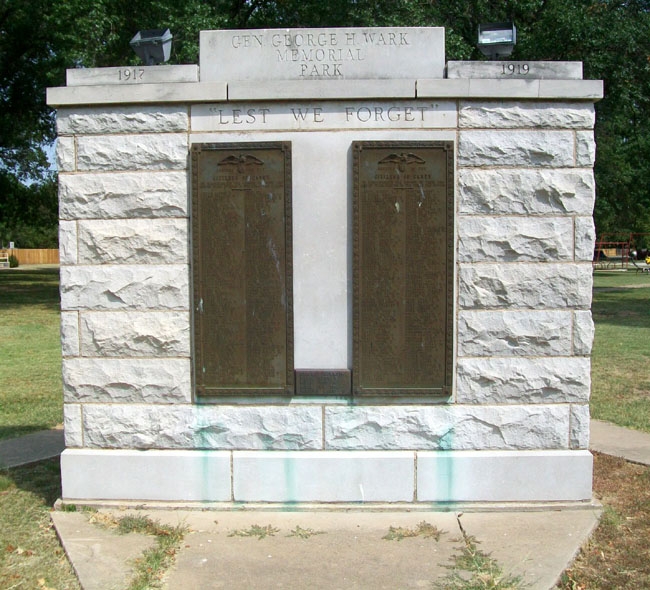
This city park was established in 1919 in memory of Caney's Company D who participated in World War I. Gen. George H. Wark organized Co. D, 3rd Kansas Infantry and mustered the first units of the Kansas Army National Guard into federal service at Caney's Elk's Hall, May 19, 1917, and led the troops to Europe. He retired in 1943 as a brigadier general.
- Details
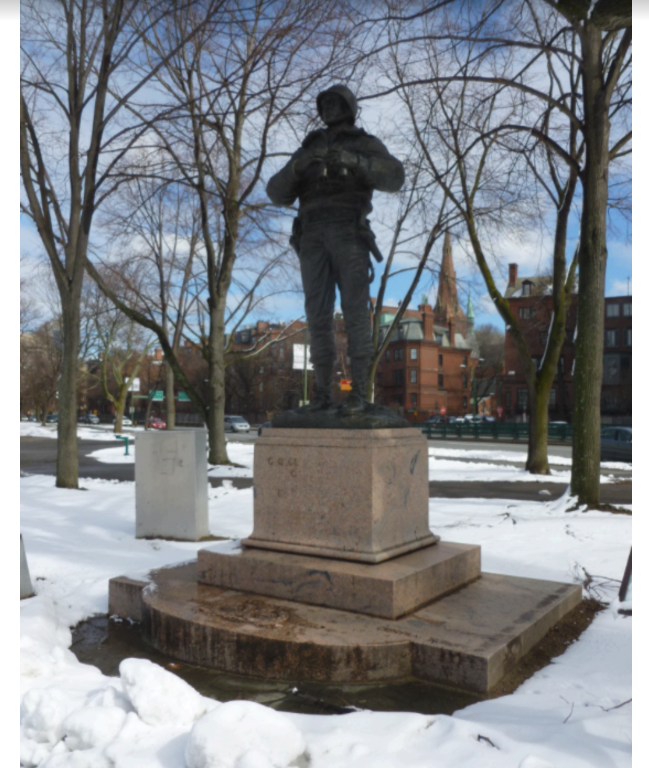
A full-size bronze statue of Gen. Patton shows him dressed in his uniform of a short jacket, helmet, and heavy hoots. He wears two guns on his hips, and is about to raise a pair of binoculars to his eyes. Beneath him is a pink granite base. Inscribed on the base are the campaigns in which he served during WWI and WWII.
- Details
- Memorial Hunters Club Submission: Steven King
This is a Missouri State Park that includes Pershing's boyhood home, the school house where he taught and a monument
- Details
This is a bronze bust of the WWI general, sculpted by Jo Davidson in 1919.
- Details
- November 13, 1948
- Dedication Date: November 13, 1948
- Other
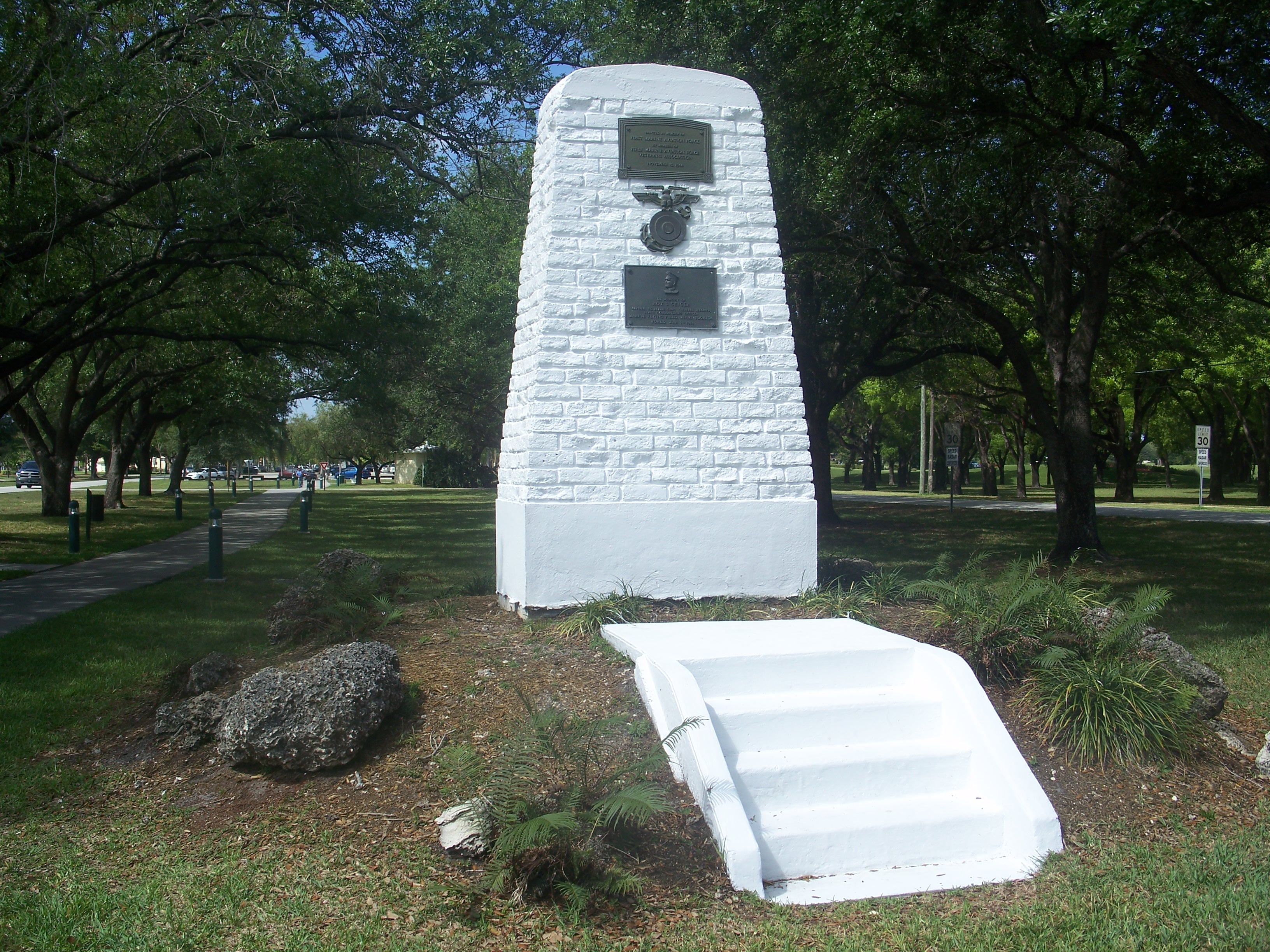
Marine Major General Roy Stanley Geiger (1885 - 1947) was a U.S. Marine Corps four-star general who served in World War I and World War II. During World War I, he served in France with 5 Group, Royal Air Force, at Dunkirk. He commanded a squadron of the First Marine Aviation Force and was attached to the Day Wing, Northern Bombing Group. For distinguished service in leading bombing raids against the enemy, he was awarded the Navy Cross. In World War II, he became the first Marine Corps general to lead an army-sized force. This memorial was restored and rededicated in 2015.
- Details
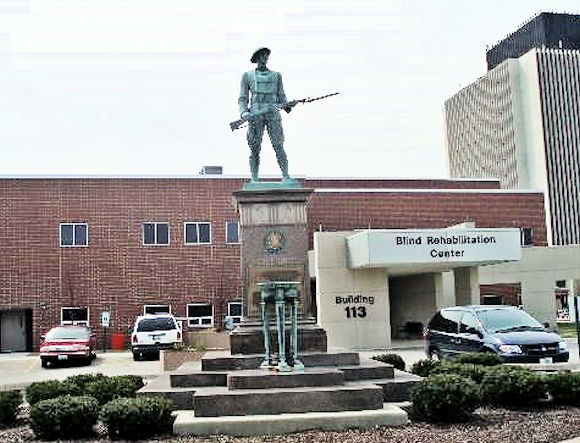
The inscription on this memorial to George Dilboy* reads:
GEORGE DILBOY
BORN FEB. 5, 1896, ALACHATA, ASIA MINOR
KILLED IN ACTION NEAR BELLEAU WOODS, FRANCE, JULY 18,1918
PVT. 1ST CL. CO. H 103RD INF. 26TH DIV. U.S. ARMY A.E.F.
POSTHUMOUSLY AWARDED THE CONGRESSIONAL MEDAL OF HONOR FOR "GALLANTRY AND INTREPIDITY IN ACTION AND BEYOND THE CALL OF DUTY"
FROM FAR IONIA HE CAME A NEW AMERICAN TRUE TO HIS HELLENIC ANCESTRY TO FIGHT AND DIE FOR COUNTRY AND LIBERTY UNDER THE STARS AND STRIPES
GEORGE DILBOY CHAPTER NO. 13 DAV OF WW
UNDER THE AUSPICES OF THE GEORGE DILBOY MEMORIAL FOUNDATION
COSTAS P. MELLAS, PRESIDENT
*For more information on George Dilboy see the George Dilboy Memorial in Somerville, MA
- Details
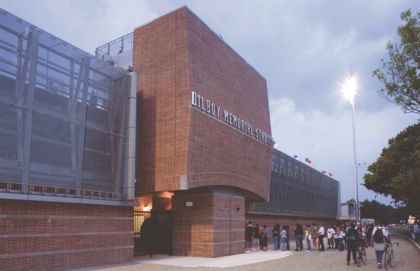
The George Dilboy Memorial Stadium is a multi-purpose public sports stadium, home of the Somerville Rampage semi-pro men's football team, the Boston Renegades semi-pro women's football team, as well as teams from Somerville High School, Saint Clement High School, and Matignon High School. The stadium is named for George Dilboy*, who lived in Somerville and was awarded the Medal of Honor during World War I. The original stadium opened in 1955. It was demolished and rebuilt in 2006.
* See the George Dilboy Monument in Somerville, MA.
- Details
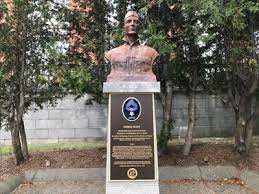
This bronze portrait bust of George Dilboy, produced by the Grenier Studio and dedicated in August of 1931, sits atop a slender granite base attached to a bronze plaque. It honors the recipient of the Congressional Medal of Honor who died in action at Belleau Wood, France, on July 18, 1918 during WWI.
George Dilboy was born in February 1896 in the Greek town of Alatsata (modern day Turkey). Dilboy and his family immigrated to the United States in 1908, settling first in Somerville, MA. In 1912, at the age of 16, he returned and fought for Greece in the Balkan Wars of 1912-13. He then returned to the U.S. where he joined the National Guard and served in the Mexican Border campaign. After the U.S declared war against Germany in 1917, Dilboy's National Guard unit was called up for the U.S. Army and joined the 103rd Infantry Regiment, 26th Division. In 1918, he fought in the Battle of Belleau Wood in France.
The following excerpt is from his U.S. Army Medal of Honor Citation:
After his platoon had gained its objective along a railroad embankment, Private First Class Dilboy, accompanying his platoon leader to reconnoiter the ground beyond, was suddenly fired upon by an enemy machine gun from 100 yards. From a standing position on the railroad track, fully exposed to view, he opened fire at once, but failing to silence the gun, rushed forward with his bayonet fixed, through a wheat field toward the gun emplacement, falling within 25 yards of the gun with his right leg nearly severed above the knee and with several bullet holes in his body. With undaunted courage he continued to fire into the emplacement from a prone position, killing two of the enemy and dispersing the rest of the crew.
George Dilboy died on July 18, 1918 due to his wounds. He was initially buried in the Aisne-Marne American Cemetery in France, but at the request of his father he was later buried at his birthplace of Alatsata, Turkey, where thousands attended his funeral. In January 1919, Dilboy's father, presented with his Medal of Honor, said "Under other circumstances I would have shed tears because of my son's death. But when I learned of the manner in which he died, I was proud that he had given his life with honor the cause of his adopted country, the United States. ... We came to this country from Smyrna, where my boy and other children were born, and we know and have felt the persecutions of Turkey." The distinction made George Dilboy the first Greek-American to earn America's highest decoration for valor. In 1922, when Turkey's Kemalist army occupied Alatsata, Turkish soldiers broke open Dilboy's coffin entombed in the Church of the Theotokos, desecrating Dilboy's remains and the U.S. flag. An outraged President Harding ordered a U.S. warship to recover the remains and return them to the States. Harding also demanded and received a formal apology from the Turkish government. Following their return, Dilboy's remains were interred at Arlington National Cemetery on November 12, 1923.
The George Dilboy Monument inspired Eddie Brady, a Somerville resident, to fictionalize Dilboy's life in the novel Georgie! My Georgie!
- Details
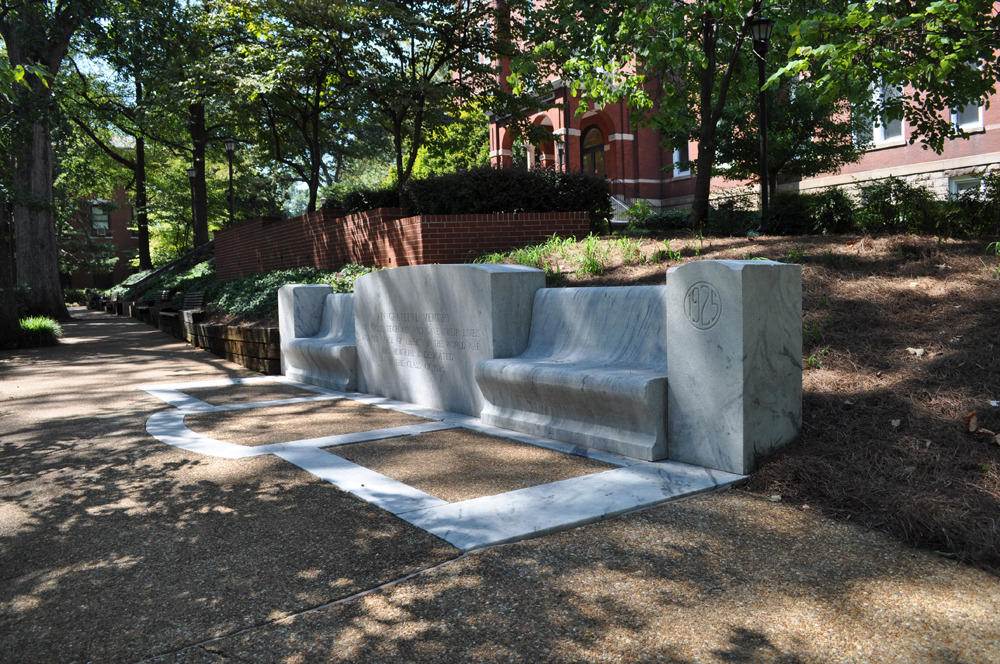
This large bench-style monument located on the Georgia Tech campus was given by the Class of 1925 in memory of those Georgia Tech men who gave their lives in World War I. It was created by Beth Grashof.