































World War I Centennial News
 Progressive activist Jane Addams, front row second from left, joins other delegates en route to the 1915 International Congress of Women at the Hague. (Library of Congress)
Jane Addams, Secular Saint, Scorned During WWI
By J.D. Zahniser
via the HistoryNet.com web site
On Sunday morning, June 10, 1917, well-known activist Jane Addams stood at the podium of First Congregational Church in Evanston, Illinois. The atmosphere was electric. The pacifist sentiments Addams had long espoused had been drawing more and more criticism as the war in Europe ground on. In April, to her dismay, America had thrown in with the Allies against the Central Powers. Addams nonetheless was holding to her path, delivering speeches like the text before her on the rostrum entitled “Pacifism and Patriotism in Time of War.”
Addams had come to First Congregational knowing full well that she would encounter skeptics. This day was no different and yet more intense. As the activist spoke, her listeners, who included longtime friend and ally Orrin N. Carter, chief justice of the Illinois Supreme Court, sat in hostile silence until Addams delivered the line “Opposition to the war is not necessarily cowardice.”
Justice Carter sprang to his feet.
“Anything that may tend to cast doubt on the justice of our cause in the present war is very unfortunate,” the jurist declared. “No pacifist measure, in my opinion, should be taken until the war is over.”
Addams had heard worse, but now she was enduring what may have been the most discomfiting public moment in a life that until recently had been one of fulfillment, accomplishment, and above all popular approval. A staunch progressive, Addams had won Americans’ hearts by founding Hull House, a pioneering social action center in Chicago, by being a force on behalf of woman suffrage, by speaking out against imperialism, and by advocating for workers. Now pacifism had made her a pariah, a role for which nothing in decades of public service and public approbation had readied her.
From the World War I Centennial News Podcast
Remembering Veterans:
James Carl Nelson on America's 339th 'Polar Bear' Regiment
In April 19th's edition of the World War I Centennial News Podcast, Episode 119, author James Carl Nelson joined the show to discuss a theatre of combat that America participated in, and most Americans have forgotten: Russia, just before and after the armistice. The men of the 339th Regiment braved bitter cold and fought the Bolsheviks before returning home in July of 1919. The following is a transcript of the interview, edited for clarity:
Theo Mayer: For remembering veterans, when people think World War I, they mostly think Western front. They think November 11, 1918 Armistice, and fair enough. Maybe they think Middle East. But, there was yet another fight going on, that started mere months before the armistice and went on through the summer of 1920. America had 13,000 men, in a cold and miserable fight up in Northern Russia. From Archangel, that's a place up near Finland, across Siberia, to Vladivostok, all the way east, just north of what today is known as North Korea. That works out to be about 11 time zones away, all at or above the Arctic Circle. No wonder the men of the 339th Regiment were known as the Polar Bears. It's a pretty incredible and not widely told World War I story. With us today is James Carl Nelson, the author of four books about the military experience in World War I, including The Polar Bear Expedition: The Heroes of America's Forgotten Invasion of Russia. James, I'm shivering just thinking about it. Welcome.
 James Carl Nelson is the acclaimed author of several books on WWI history, including The Polar Bear ExpeditionJames Carl Nelson: Thank you, very much.
Theo Mayer: Now, James, I didn't really know much about this story. Could you start by giving our listeners an overview of this whole part of World War I, the Red and the White armies- the 10,000 foot view?
James Carl Nelson: As you mentioned, most people think of the Western Front, the fighting in France between the British and the French and the Germans. But in actuality, the Russians had entered World War I in 1914, as well. And they were holding a front in the East, fighting Germans and Austria-Hungarians, and it was quite an active front.
But, in late 1917, with the Russian Revolution, Vladimir Lenin took Russia out of the war, signed a separate peace with Germany, and that allowed Germany to transfer 80 divisions of men to the Western Front, and many of these divisions took part in a massive offensive that was launched March 21, 1918. By the early part of June, Germans were only 30 miles from Paris. The situation was perilous, and the high command was casting about for some way to relieve the pressure when they came up with the idea of an intervention in Northern Russia, aimed at recreating the Eastern Front. They had this idea to land some troops, get local support from anti-Bolsheviks and reached out to this sort of ephemeral large body of men, about 40,000 to 50,000 Czechs, called the Czech Legion. Who had been prisoners of war in Russia, and were trying to make their way through Siberia, to actually get back to France and fight on the Western Front. So, they had this idea that they could do that, push into the interior, and get this legion turned around. Thereby, make the Germans, at least stop removing their troops from the Eastern Front, or even make them return.
From the World War I Centennial News Podcast
Historian's Corner: The Story of Helen Hagan
In April 5th's edition of the World War I Centennial News Podcast, Episode 117, we aired a brief sound bite from the Yale Daily News introducing Helen Hagan, the first female, African American graduate of Yale's music school, and someone whose story is intertwined with World War I. Then, writer Elizabeth Foxwell joined the show to elaborate on the life of this talented and extraordinary person. The following is a transcript of the interview, edited for clarity:
Theo Mayer: Okay, it really is time to fast forward into the present with World War I Centennial News Now. As our regular listeners know, this part of the podcast is about now, and how World War I is being remembered, commemorated, written about, discussed, taught, and learned, and here is where we continue to spotlight the surprisingly numerous and significant remembrance and commemoration activities surrounding World War I and World War I themes. On Yale University's website called 'Yale News', there is a video published about a remarkable woman named Helen Hagen. The voices you're going to hear are those of Robert Blocker, the Dean of Music, and Lucy Kaplan, a graduate student in American and African American Studies.
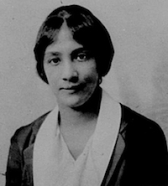 Helen Hagan, composer and performer, 1919.Robert Blocker: Helen Hagan was one of the most remarkable people who attended Yale early in the 1900s, and went on to a distinguished career. What made this so remarkable, at that time, is you have a young woman who is African American, who is female, who is coming to Yale University which, at the time, was an all male institution. She came to the Yale School of Music and graduated in 1912, she was piano major here, she was a composer. She composed a concerto while she was here and she played with the New Haven Symphony.
Lucy Kaplan: Unfortunately, most of her music today has been lost, but I'm hoping that it's somewhere out there and we just haven't found it yet, that it's not actually lost forever, but the piano concerto does survive.
Robert Blocker: Helen Hagan went quickly and proudly to serve her nation as an entertainer in World War I. She went to France, and she played for the African American troops who were stationed in that theater. That was a time when troops heard all types of music, popular music, classical music, religious music. And clearly, she was talented enough to be an important figure in that regard.
Read more: Podcast Article - Yale Daily News and Elizabeth Foxwell
WWI vets like Sgt. Butler of Salisbury deserve Medal of Honor
By Linda Duyer
via the delmarvanow.com web site
 Salisbury local soldier Sargent William A. Butler is one of the candidates being reviewed to receive the Medal of Honor. On Thursday, April 18, 2019, Senator Van Hollen of Maryland made an about announcement about the World War I Valor Medals Review Act, a new bipartisan legislation that will ensure that minority Veterans who served during WWI get the recognition they deserve.
Why advocate for bestowing the Medal of Honor to long-deceased veterans of World War I, even if those veterans earned medals but were denied the highest honor at the time of the war?
On April 18, a gentleman, who was in the audience of the Cambridge press conference held by U.S. Sen. Chris Van Hollen regarding this topic, reminded me why.
The man handed me a copy of papers detailing how his father had served in the segregated Army during that war. The man stood before me, saying that his father came back from the war bitter.
It occurred to me that this man carried with him the memory of that bitterness even as he was proud of his father. The man who served in the Army had not earned medals for fighting, but he was wounded — in more ways than one. Yet others fared worse.
This man reminded me why the task force with which I am affiliated is doing this.
Read more: WWI vets like Sgt. Butler of Salisbury deserve Medal of Honor
Roswell remembers WWI nurse Camille O'Brien
By Elizabeth Nouryeh
via the Cherokee Tribune and Ledger News (GA) web site
A Roswell, GA family's great aunt was honored with a new headstone at Greenwood Cemetery for her service and bravery during World War I as an Army nurse.
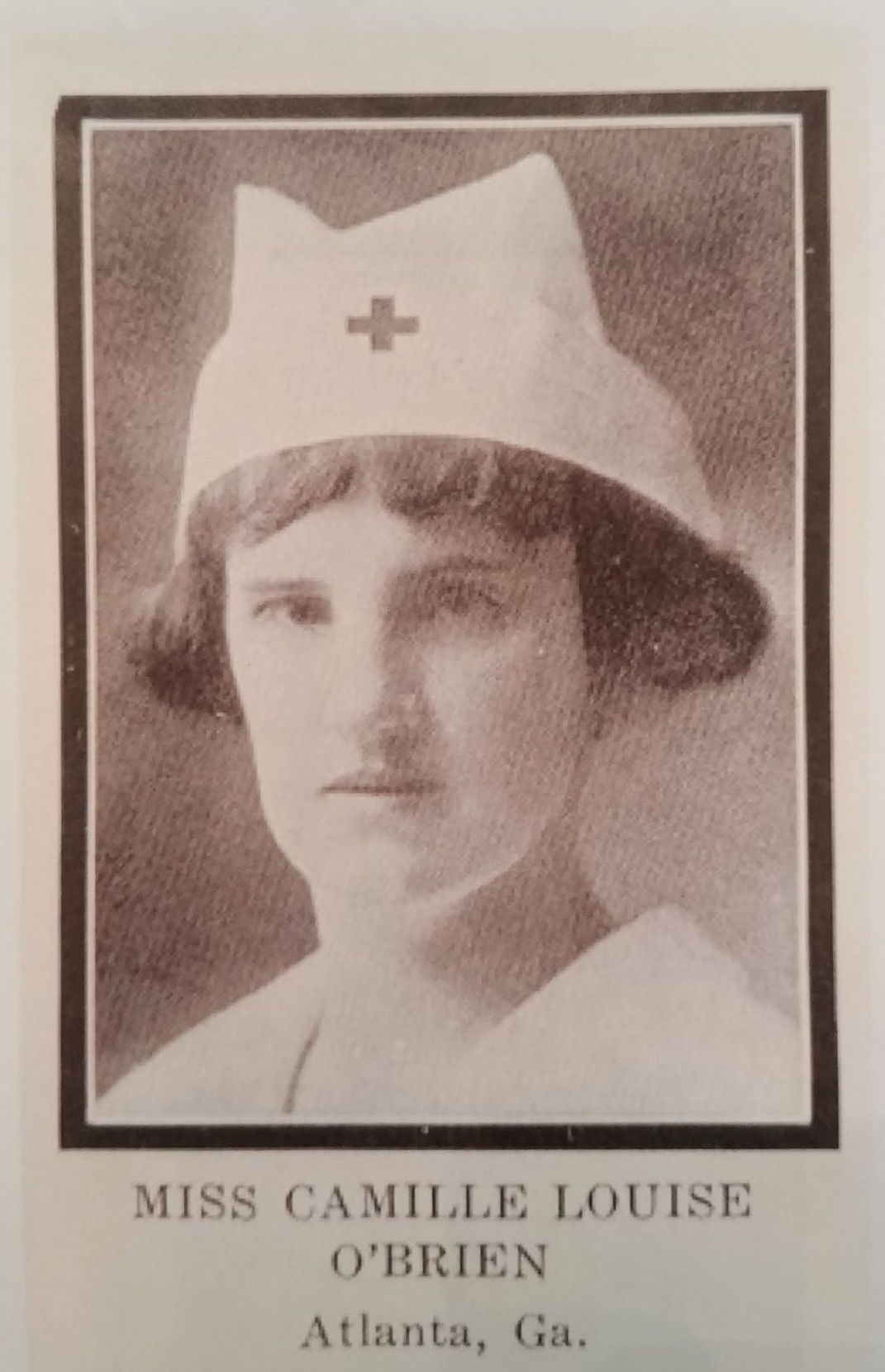 William Cawthorne's great aunt, Camille Louise O'Brien was a member of the Emory nursing unit during WWI and was the only Red Cross nurse from Atlanta and the only nurse from the Emory Unit to die in France during the war. O'Brien is recognized as a hero nurse for her exemplary service and dedication to treating her soldiers.
O'Brien was honored on April 18, with a new headstone at her previously unmarked grave. Local funeral home H.M Patterson & Son paid for the entire ceremony, including installing and transporting the headstone and seating arrangements for guests. Emory and Oakland Cemetery also helped with cleaning and transporting a bronze memorial plaque to the ceremony.
"More people need to learn to take care of others and put others before themselves and (her story) is just a prime example of it," local historian Michael Hitt said.
O'Brien was born in 1883 in Barnett, Georgia and was a third generation Irish Catholic. In 1909, O'Brien's mother died and the remaining family moved to Atlanta.
In 1913, O'Brien enrolled in nursing school at St. Joseph's Infirmary in Atlanta. After three years in nursing school, O'Brien graduated in 1916 and worked for around a year at St. Joseph's. With WWI already heightened, O'Brien enlisted in the Army Nurses Corp. From there she was assigned to the Emory Unit and sent to Camp Gordon for around three weeks of training.
Once O'Brien completed training, she was sent to New York with other Red Cross nurses before shipping to Europe. While en route to Wales, O'Brien witnessed three attacks from German U-boats, or "unterseeboots." These submarines were around 214 feet long, carried 35 men and armed with 12 torpedoes.
WWI Memorial being built in Ireland yields interesting twist
Lest Sligo Forgets Campaign reconnects local hero with American family
By Simone Hickey, Lest Sligo Forgets
Special to the United States World War One Centennial Commission web site
Chris Isleib is the Director of Public Affairs, U.S. World War I Centennial Commission. On learning about the Lest Sligo Forgets Campaign, Chris generously became a Name Benefactor for the memorial. He asked us to nominate a name from our list of 610 Sligo people who were killed in World War I.
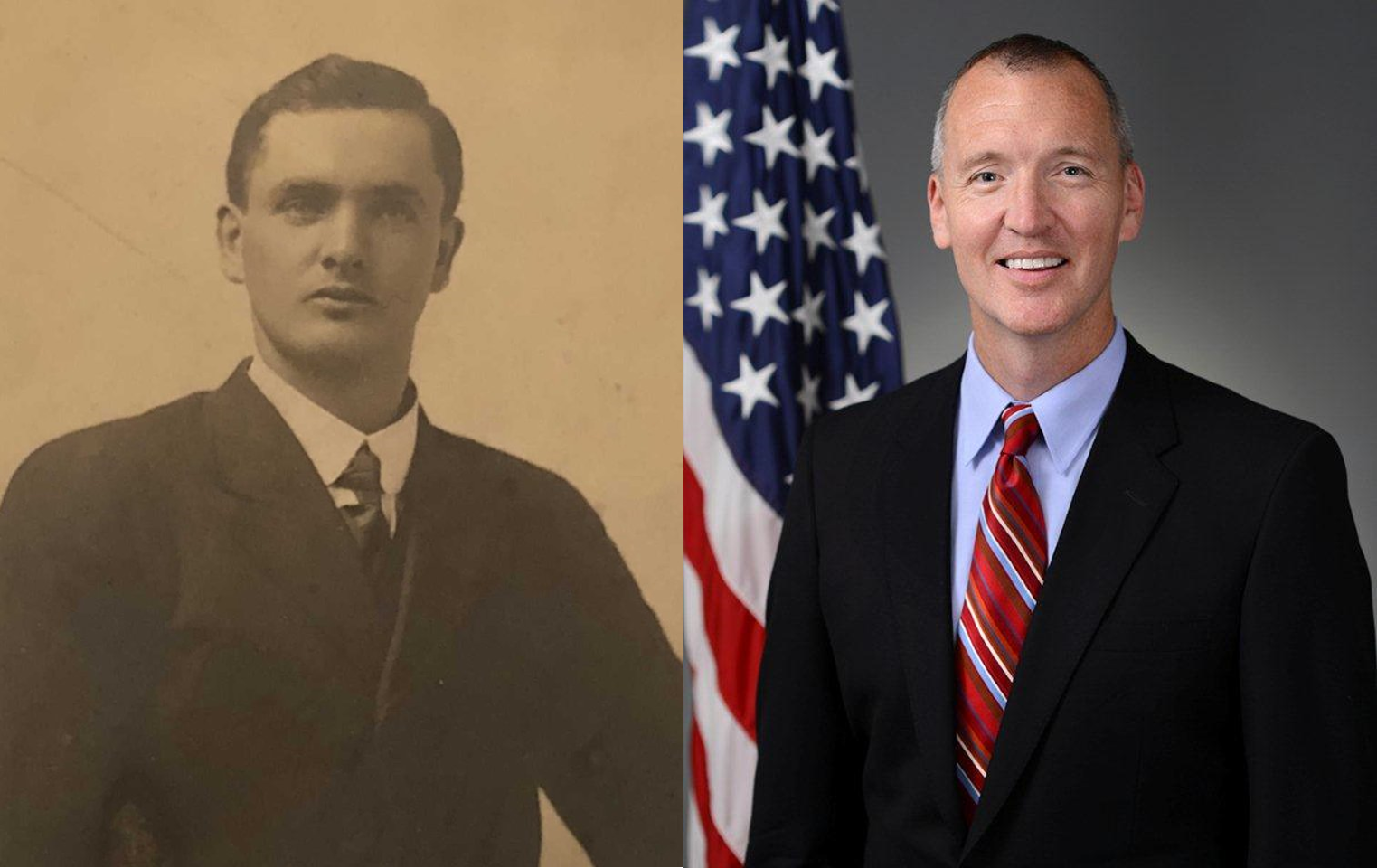 Michael Clancy O'Hart (left) emigrated to the U.S. from County Sligo/County Fermanagh area in 1910. 120 years later, his grandson, Chris Isleib (right) serendipitously contributed to the "Lest Sligo Forget" WWI Memorial in the name of his grandfather's cousin, John J. Harte of Ballinfull in North Sligo, who was killed in combat during the Great War.At random we selected John J. Harte from Ballinfull in North Sligo, son of James and Mary Harte (nee Boyle), of Breaghwy, Ballinfull, Co. Sligo, a member of the 2nd Bn Irish Guards.
A wonderful St Patrick’s Day link with a family of the Irish Diaspora in the US has unfolded from there.
Having informed Chris Isleib of the name we attributed to his benefactor support, Chris decided he would do some research on John J. Harte, to learn more about his story.
Miraculously -- it has turned out that John J. Harte was a cousin of Chris' own grandfather!
Chris most kindly shared these thoughts on this with us:
“I proudly offer support for your remembrance of the people from County Sligo who followed the awful drum 100 years ago. Their stories are important, and this memorial "Lest Sligo Forgets" deserves our greatest support.
"As per our email discussion, I seem to be correct -- John Harte is my Second Great Uncle. He served with the Irish Guards in WWI, and was killed in combat in 1915. He is buried at the CWGC cemetery in Aubers Ridge, near Lille, France.
"John Harte was the cousin of my grandfather, Michael Clancy Harte (O'Hart). Their fathers were brothers who grew up in the big, extended Harte/Hart/O'Hart family in the Grange area of County Sligo -- farmers in the townlands of Breaghwy, Ballinfull, Agharrow, Kiladoon, Rannatruffan, Ballygilgan, My grandfather's family would move to the nearby town of Garrison, County Fermanagh, in the 1880's, seeking opportunity -- but the opportunity would be limited, and the political oppression of the time pushed my grandfather to emigrate to the United States in 1910.
Read more: Lest Sligo Forgets Campaign reconnects local hero with American family
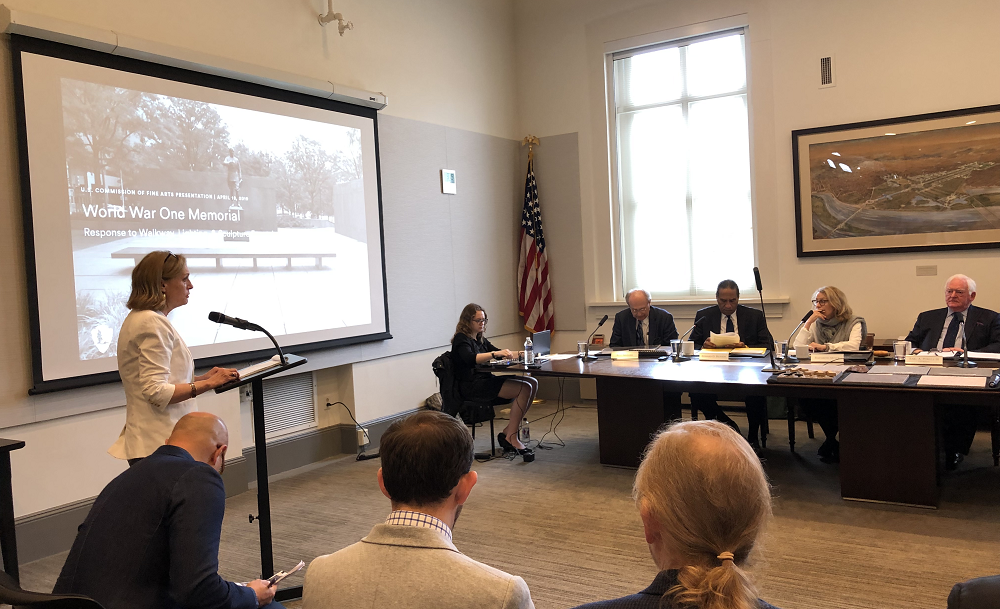 Commissioner Libby O'Connell (at podium) delivers initial remarks at the April 2019 at the update briefing to the U.S. Commission of Fine Arts in Washington, DC.
CFA approves "Soldier's Journey" sculpture for new National WWI Memorial
By Chris Isleib
Director of Public Affairs, United States World War One Centennial Commission
Our new National World War I Memorial for Washington, DC continues to roll ahead strongly.
Last week, the team provided an update briefing to the U.S. Commission of Fine Arts (CFA) on a host of design concept details. CFA is one of three oversight agencies for the project, the others being the National Park Service, and the National Capital Planning Commission (NCPC).
This week's meeting took place at the CFA headquarters offices at the National Building Museum, and it drew a number of attendees -- journalists, architects, landscape designers, urban planners, art critics -- who wanted to hear the latest news from the project.
The World War I Centennial Commission's briefers were led by Commissioner Dr. Libby O'Connell, and included sculptor Sabin Howard, who brought his new scale-model maquette, as well as construction team members from our partners GWWO, who spoke about lighting, building material choices, and design-detail preferences. for various surfaces & features.
Read more: CFA approves "Soldier's Journey" sculpture for new National WWI Memorial
From the World War I Centennial News Podcast
Updates from the States:
Susi Adler from the Minnesota World War I Centennial Committee
In April 19th's edition of the World War I Centennial News Podcast, Episode 119, host Theo Mayer interviewed Susi Adler, a Minnesotan determined to commemorate the soldiers from her state killed in action during the Great War. The following is a transcript of the interview, edited for clarity:
Theo Mayer: As we came up on the Centennial of World War I, the U S World War I Centennial Commission tried to identify, support, and when needed, help organize local state organizations that would focus on their State Centennial Commemoration. These organizations really rocked it. They did an incredible job and created awareness, events, focused state legislative initiatives, education, and a lot more in their states. Although some of the organizations have since disbanded, as we crossed the centennial of the Armistice last year on November 11th, we really expected most of the state organizations to cease operation. To their credit, and to the great benefit of remembering World War I, many state World War I centennial organizations are not only still active, but as active as they've ever been. Even if the official organizations disbanded, the individuals who served on those committees and commissions have not stopped their activity. We want to use the section of the podcast to highlight and promote some of the exemplary work that is still going on. Especially since most of it is in the context of remembering those who served. Susi Adler is one such individual, a member of the Minnesota World War I Centennial Committee, who has created and continues to curate a Facebook group called Minnesotans Remembered. She here with us today to tell us about her project. Susi, welcome to the podcast.
Susi Adler: Thanks for having me on.
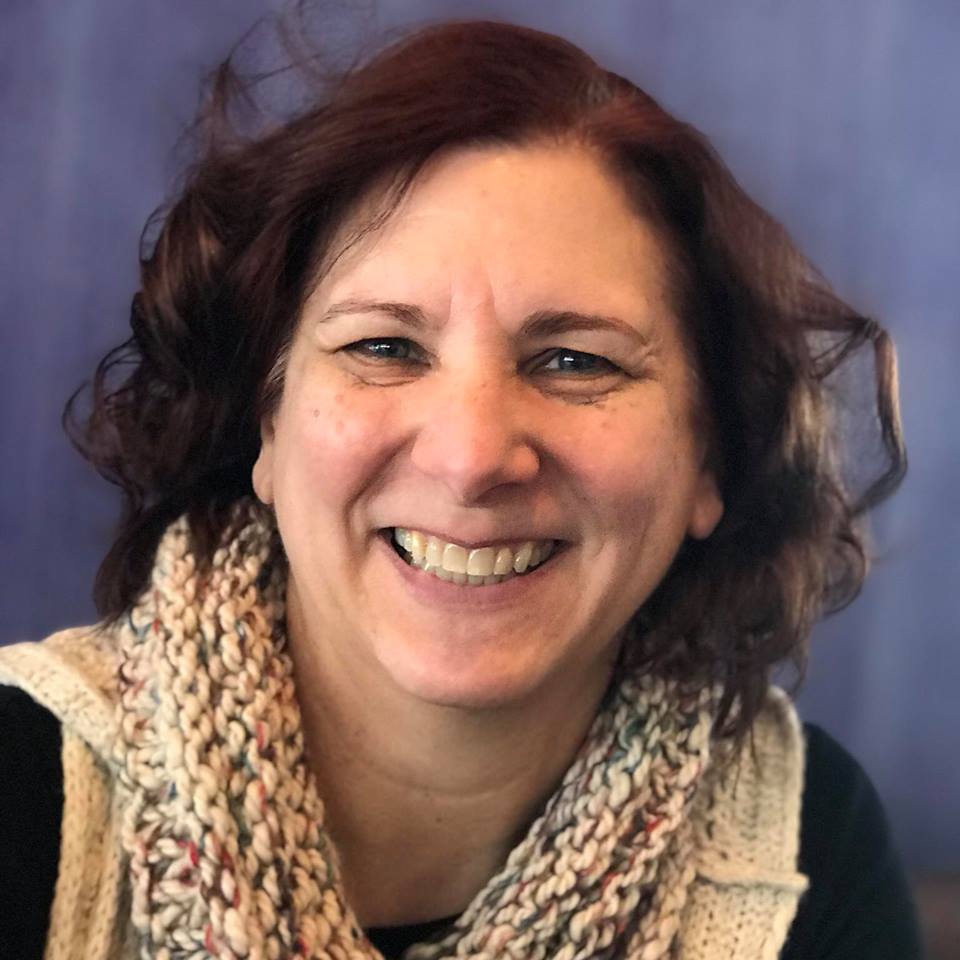 Susi Adler is a member of the Minnesota's State Committee, and also the curator of Minnesotans Remembered, a Facebook page dedicated the memory of WWI soldiers from MinnesotaTheo Mayer: So Susi, let me start by asking you, the Minnesota World War I Centennial Committee, is it still officially operating?
Susi Adler: Well, we did not want to disband officially, so we have decided that we are dormant. We keep in touch, if our group is needed. One of the items that we're currently working on is at Minnesota State Legislature. We have a bill to update a World War I plaque to be more inclusive. As part of our committee, we are following along. One of our members has gone to testify, to give our support to this new plaque. We're watching that as it's going through the legislature. At this point, we are informally still keeping in contact, and still doing our thing; but not as a formal process anymore.
Theo Mayer: Okay. Well thank you. Let's talk about your Facebook page, Minnesotans Remembered. What is it, and how did it get started, and, what kind of things will I find if I go there?
From the World War I Centennial News Podcast
Remembering Veterans:
Dr. Alexis Catsambis on the Mystery of the USS San Diego
In April 19th's edition of the World War I Centennial News Podcast, Episode 119, Dr. Alexis Catsambis of the US Naval Heritage and History Command spoke with host Theo Mayer about the sinking of the USS San Diego, and the process of unraveling the mystery behind what went wrong. The following is a transcript of the interview, edited for clarity:
Theo Mayer: Next, for Remembering Veterans, we're going to explore the story of a ship that sank on the eastern seaboard in July of 1918. Now, first commissioned in 1907 as the USS California, the cruiser was rechristened the USS San Diego on September 1st, 1914. Now, she spent most of her career as part of the Pacific fleet, before being reassigned to the Atlantic fleet on July 18th, 1917, where she escorted convoys on the first part of their journey to Europe. Although other ships like The USS Tampa were also lost in World War I, this event was shrouded in mystery and there were many theories about why and how the San Diego went down. That is until last year. With us to talk about this is Dr. Alexis Catsambis, a maritime archaeologist with the Underwater Archaeology Branch of the U.S. Naval History and Heritage Command in Washington D.C. Since 2008, Dr. Catsambis has provided for the stewardship, research, conservation and curation of submerge the US Navy heritage sites, including the San Diego. Dr Catsambis, thank you for joining us.
Senators Van Hollen, Blunt Announce New Bill to Honor World War I Minority Veterans
via Senate.gov
WASHINGTON — On April 18, U.S. Senators Chris Van Hollen (D-Md.) and Roy Blunt (R-Mo.) announced the World War I Valor Medals Review Act, new bipartisan legislation that will ensure that minority Veterans who served during WWI get the recognition they deserve. It would require the Department of Defense to undertake a review of valor medals awarded to minority Veterans during WWI to determine whether any should receive the Medal of Honor. This review would be conducted in consultation with the United States World War I Centennial Commission’s Valor Medals Review Task Force. Senators Tammy Duckworth (D-Ill.), Tim Scott (R-S.C.), and Richard Blumenthal (D-Conn.) are original cosponsors of the Senate bill, and Congressman French Hill (R-Ark.) has introduced the House companion legislation.
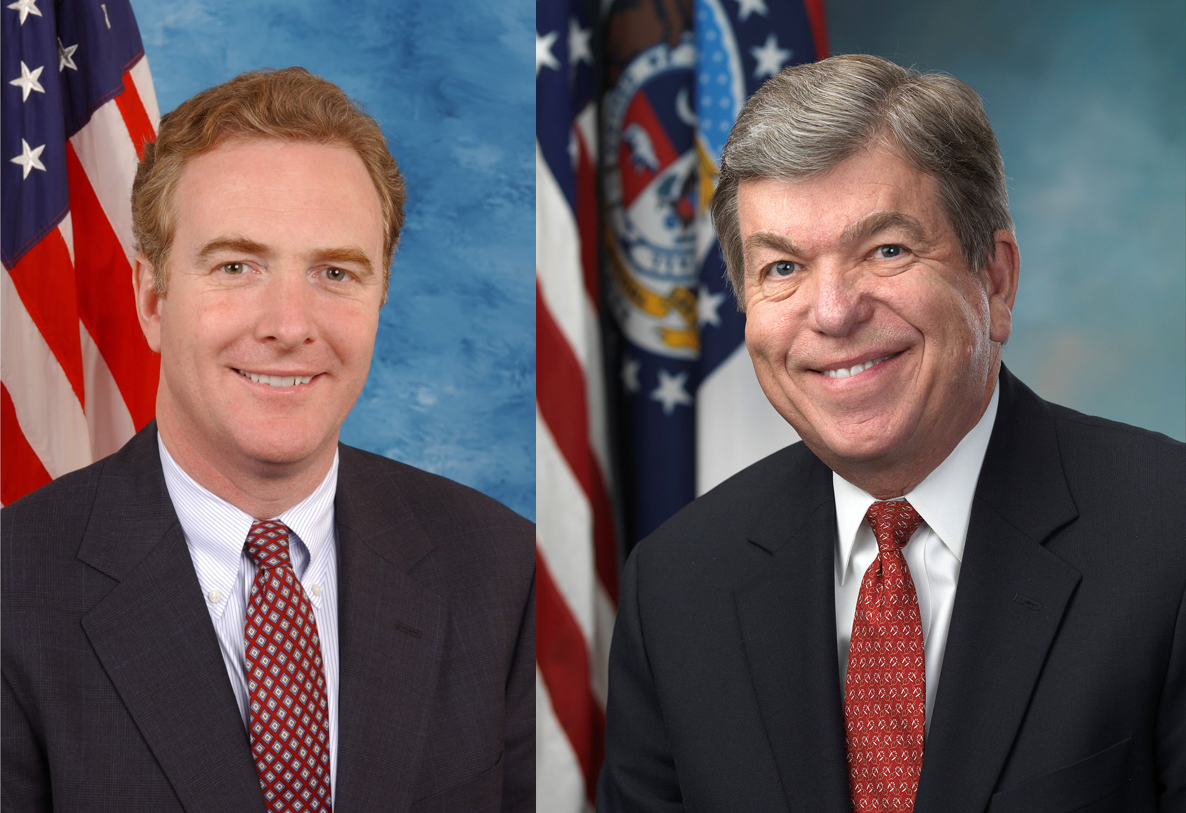 U.S. Senators Chris Van Hollen (left) and Roy Blunt. Service members of all races, religions, and backgrounds fought in WWI, but the Medal of Honor was patently denied to minority Veterans until the 1990s. Congress has authorized more recent reviews for minority service members from World War II to the present, but the only review undertaken for WWI took place in 1919 – and no minority Veterans received the Medal of Honor as a result of that review. Righting this historical wrong is long overdue.
“Hundreds of thousands of minority Veterans served their country during World War I, and their sacrifice was essential to our victory. But for far too long, their heroism has not received the recognition it deserves,” said Senator Van Hollen. “Take William Butler, an African American Veteran from Salisbury, for example. His valor was recognized with the Croix de Guerre with Palm, the Distinguished Service Cross, and a recommendation for the Medal of Honor – but he never received that medal before his death. His story is the exact kind of case the Valor Medal Task Force should review. This legislation will ensure he and countless others have the opportunity to be honored.”
“Minority veterans who exhibited the highest acts of valor during WWI deserve to be recognized with the Medal of Honor,” said Senator Blunt. “We cannot erase the discrimination minority service members faced, but we can make sure their heroic deeds are acknowledged and honored. I’m grateful for the work the Valor Medals Review Task Force, in partnership with Park University, is doing to make sure those who were denied the Medal of Honor because of their race or religion finally receive the recognition they have earned.”
Read more: Van Hollen, Blunt Announce New Bill to Honor WWI Minority Veterans
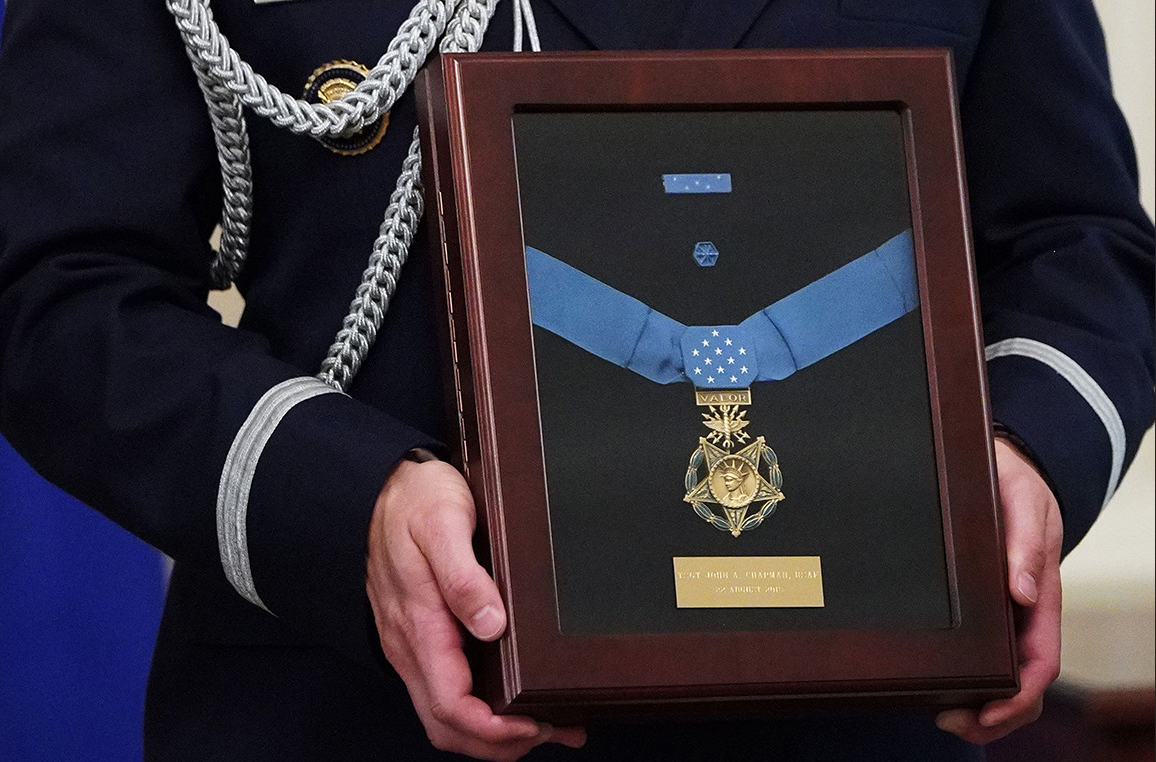 Lawmakers want the Pentagon to take another look at scores of service members who may have been denied the nation's highest military honor in World War I due to their race or religion. Soldiers and sailors will also qualify for a review if they were recommended for the Medal of Honor but didn't receive it. (Mandel Ngan/AFP/Getty Images)
Medal of Honor review sought for minority World War I heroes
By Bryan Bender
via the Politico.com web site
Congress is preparing to order the Pentagon to review the records of scores of decorated soldiers who served in World War I to determine if they were denied the nation’s highest battlefield honor because of their race or religion.
The bipartisan World War I Medals Review Act, expected to be unveiled Thursday, marks the latest effort to rectify the military’s history of discrimination against black soldiers and other minorities who fought and died alongside their white comrades but were shunned and often the victims of racial violence.
"We are in a historical conversation about race," said Timothy Wescott, director of the George S. Robb Centre for the Study of the Great War at Park University in Missouri, which is already reviewing some of the cases for the nonprofit United States Foundation for the Commemoration of the World Wars. "If there are corrections to make it is time to make those corrections in the bigger picture of reconciliation as a nation."
The reviews would be the first of their kind for the century-old conflict that pitted Great Britain, France, Russia and eventually the United States against foes including Germany and the Ottoman Empire. The research will initially focus on about 70 African American troops and then turn to other minority groups, according to officials involved in the effort.
The new legislation, shared in advance with POLITICO, calls for the review of cases involving African, Asian, Hispanic, Native and Jewish Americans. The measure is expected to be included later this year in the National Defense Authorization Act, an annual defense policy bill.
Black troops served in segregated units during World War I, which means that "the information for forensic, historical and genealogical research is comparatively easy to locate" compared with the other four minority groups, said Wescott, a retired Marine. "We have been receiving information from other genealogists and family members, particularly in the Hispanic American and Jewish American grouping."
To warrant a review, the service members must have been awarded the Distinguished Service Cross or the Navy Cross, both considered the nation's second-highest awards for valor, or the French Croix de Guerre with Palm, France's highest honor, according to the proposed legislation.
Soldiers and sailors will also qualify for a review if they were recommended for the Medal of Honor but didn't receive it.
Read more: Medal of Honor review sought for minority World War I heroes
Former Mineola Resident To Be A Part Of First World War I National Monument
By Anthony Murray
via the Mineola American (NY) newspaper web site
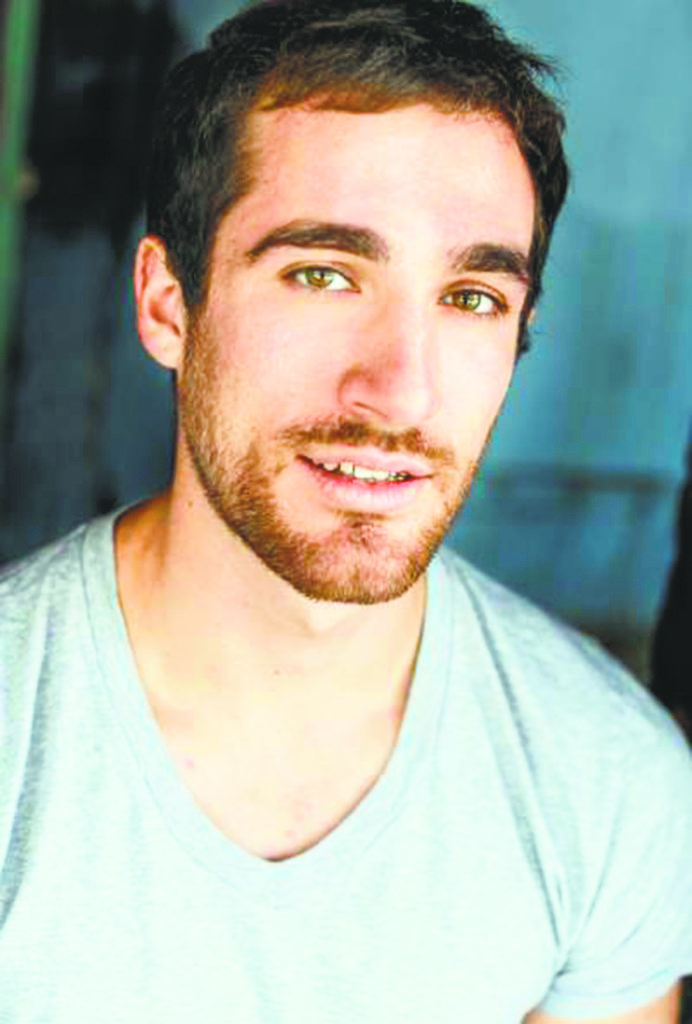 Zach LibrescoEver since the inception of the U.S. World War I Centennial Commission in 2013, New York City sculptor Sabin Howard and architect Joe Weishaar have been hard at work creating Washington, D.C’s first-ever World War I memorial at Pershing Park. Beating out more than 300 candidates, both Howard and Weishaar were selected as the winning design team after the commission launched a design competition in 2015.
Dubbed the Great War, more than 4 million American families sent their sons and daughters to serve in uniform. The number of U.S. soldiers who died from combat and disease was 116,516 while 200,000 soldiers were wounded, which was a casualty rate far greater than in World War II. World War I was also a melting pot in terms of enlistment with more than 350,000 African Americans serving in the military, as did many Native Americans and members of other minority groups. Plus, for the first time ever, women joined the ranks of the U.S. armed forces.
The memorial’s narrative tells the overall story of a soldier’s journey through the war as they leave their families to go to the front lines, charting battles abroad and their ultimate return home.
In order to bring the project alive sort to speak, Howard and a team of reenactors began a crucial stage of the creation process in the United Kingdom earlier this year, where the reenactors, who were dressed in WWI costume, posed in a first-of-its-kind photogrammetry rig that was composed of 160 cameras, which was the first time that living models were used with that type of photogrammetry set up. One of those reenactors who traveled across the pond to partake in this monumental project was former Mineola resident Zach Libresco, who will be portrayed in the national memorial.
A Soldier’s Journey, which the monument is appropriately named, is 137-feet long, while each cubic foot of the memorial represents an American soldier who was lost in the war.
“The whole trip was incredible,” said 27-year-old Libresco, who is a Wheatley High School graduate. “They put us up in a hotel and we’d walk for miles by a little canal down to the gallery. We’d go to work between six to 10 hours every day and it’s hard work. The momentum of the piece is kind of all moving as your eye goes to the right. For us, all of our weight was on our left quad and our right calve. It was a lot like doing lunges and squats, but the repetition of holding a pose over and over was really strenuous. We want to get the shot, but there’s a certain level of pressure.”
Read more: Former Mineola Resident To Be A Part Of First WWI National Monument
 Baseball memorabilia was displayed at the Virginia War Memorial, which hosted "Play Ball! 100 Years of Baseball in Virginia." "Baseball before World War I was huge," local author Al Barnes said.
Virginia War Memorial program celebrates baseball in Virginia, sport's mesh with World War I
By John O'Connor
via the Richmond Times-Dispatch (VA) newspaper web site
To establish the link between the U.S. military and baseball during World War I, refer to the Idaho Statesman, the Boise, Idaho-based newspaper that’s been in business since the 1860s. On Page 9 of its April 21, 1917, edition, the following headline appeared: “Allies Need American Baseball Pitchers to Toss Hand Bombs”
A photocopy of that story was among the artifacts displayed Tuesday evening at the Virginia War Memorial, which hosted “Play Ball! 100 Years of Baseball in Virginia.” Generally, the program celebrated the sport’s history in the state. Specifically, it featured baseball as an important part of the lives of soldiers involved in World War I.
When millions of U.S. troops deployed to Europe, they brought with them their love of the game and promptly addressed the absence of diamonds.
“They made hundreds of fields. ... The French would stand around and wonder ‘What the heck are these crazy guys doing?’ ” said Al Barnes, a local author who wrote “Play Ball! Doughboys and Baseball in the Great War.” By the war’s end, there were more than 4,000 teams made of military personnel — including major leaguers, minor leaguers and Negro League players — competing in Europe, according to Barnes.
In the U.S., “Baseball before World War I was huge. Everybody played. Every town had teams. Every town had leagues,” Barnes said. “If you had nothing else to do, you got some of your friends together, you got in a wagon, and you went to another town and played them.”
Barnes spoke Tuesday night at Virginia War Memorial’s Paul and Phyllis Galanti Education Center along with Todd Parnell, the vice president and chief operating officer of the Richmond Flying Squirrels, the Double-A affiliate of the San Francisco Giants.
Barnes’ interest in how baseball meshed with WWI grew out of research he conducted for another book on immigrants in the military. His insight was complemented by Jim Triesler, who provided most of the artifacts.