































Roses of No Man's Land - Casualties & Illness
"None complain of the hardships they have been through and are all anxious to be back on the firing line again."
-Aimee O'Keefe Kinney, September 19, 1918
World War I saw some of the worst wounds that people could imagine. Particularly, artillery and gas caused horrendous damage to not only the bodies of soldiers, but their minds as well. When a soldier was injured, he was given first aid and removed from the front line. Then the soldier was sent to their battalion aid post, where they were given anti-tetanus shots and a diagnosis tag, and sent to the closest ambulance dressing station. At the dressing station, more first aid and shots were given to those who did not receive this the first time, and then soldiers were transportated to the Evacuation Hospitals. 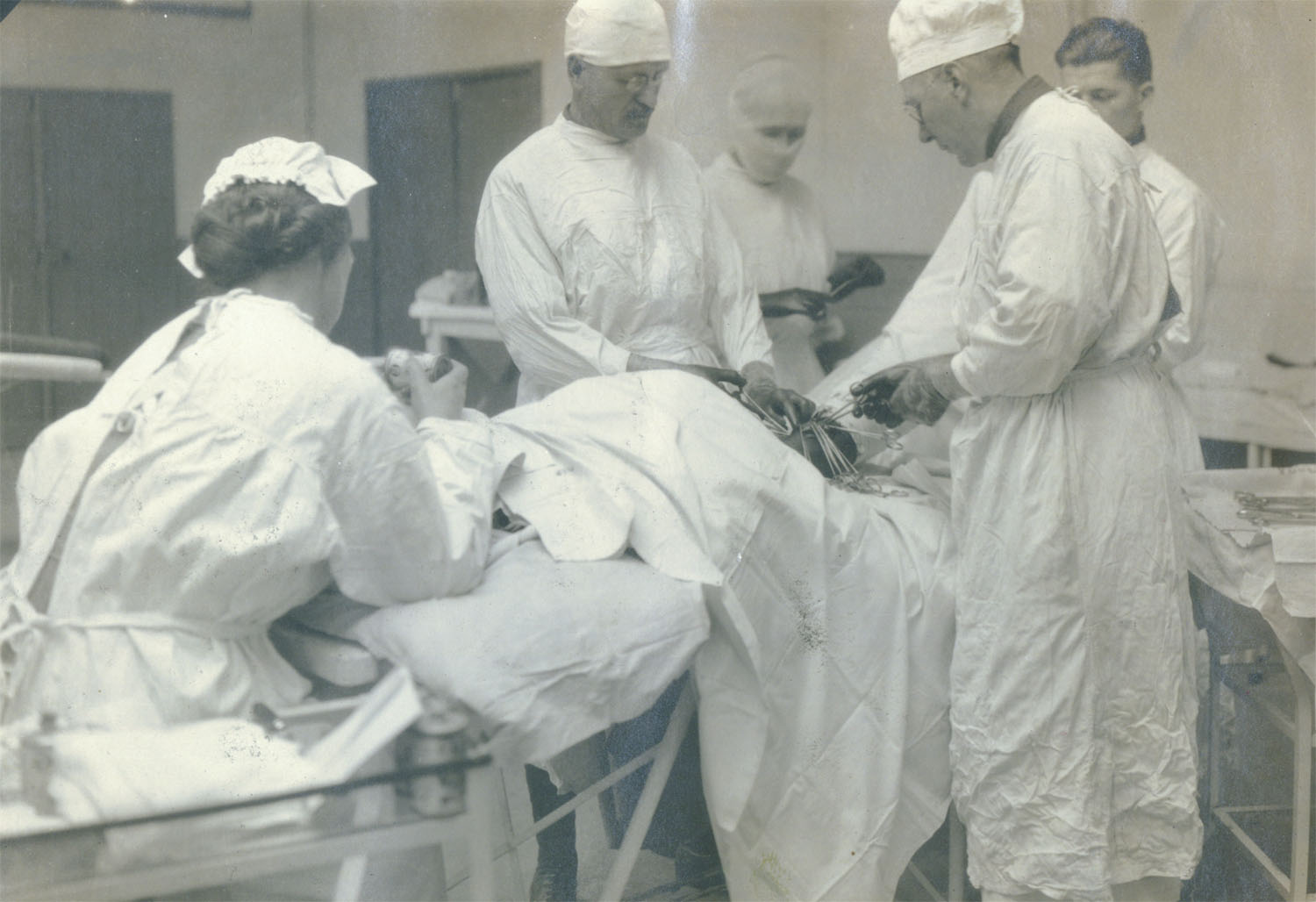 At the Evacuation Hospital, the goal was to cycle patients through within 24 hours. If the case was not severe, such as broken bones and flesh wounds, this would occur and often times these cases were only given minimal treatment and sent to the shock ward. The shock ward, where Bulovsky worked, was a tent kept at 90 degrees F, and the nurses kept patients under warm blankets and gave them hot liquid while administering shots to fight infection and changed the dressings. Sever cases, such as brain or spinal trauma, and shattered femurs were operated on at the Evacuation Hospital, and were given priority. It was not uncommon for 25% of the casualties to be serious enough for surgery. Following surgery, the wounded would remain in the Evacuation Hospital until they were stable enough to be transported to a Base Hospital.
At Base Hospitals, the care level, and time that someone stayed dramatically increased. The wards were buildings that were only supplemented with tents if the capacity was exceeded. Surgery was a more sterile and controlled environment here. Base Hospitals were the backbone of the medical core, located sever miles behind the front, they were out of the way of artillery.
"I am in bed with everything imaginable on, even a muffler around my neck. I have had another attack of quincy. . .The first 3 days my throat was swollen. I remained on duty. Outside my throat felt fine and the boys need every little bit of our attention available. By night I couldn't talk so I had to go to bed."
- Helent Bulovsky, October 8, 1918
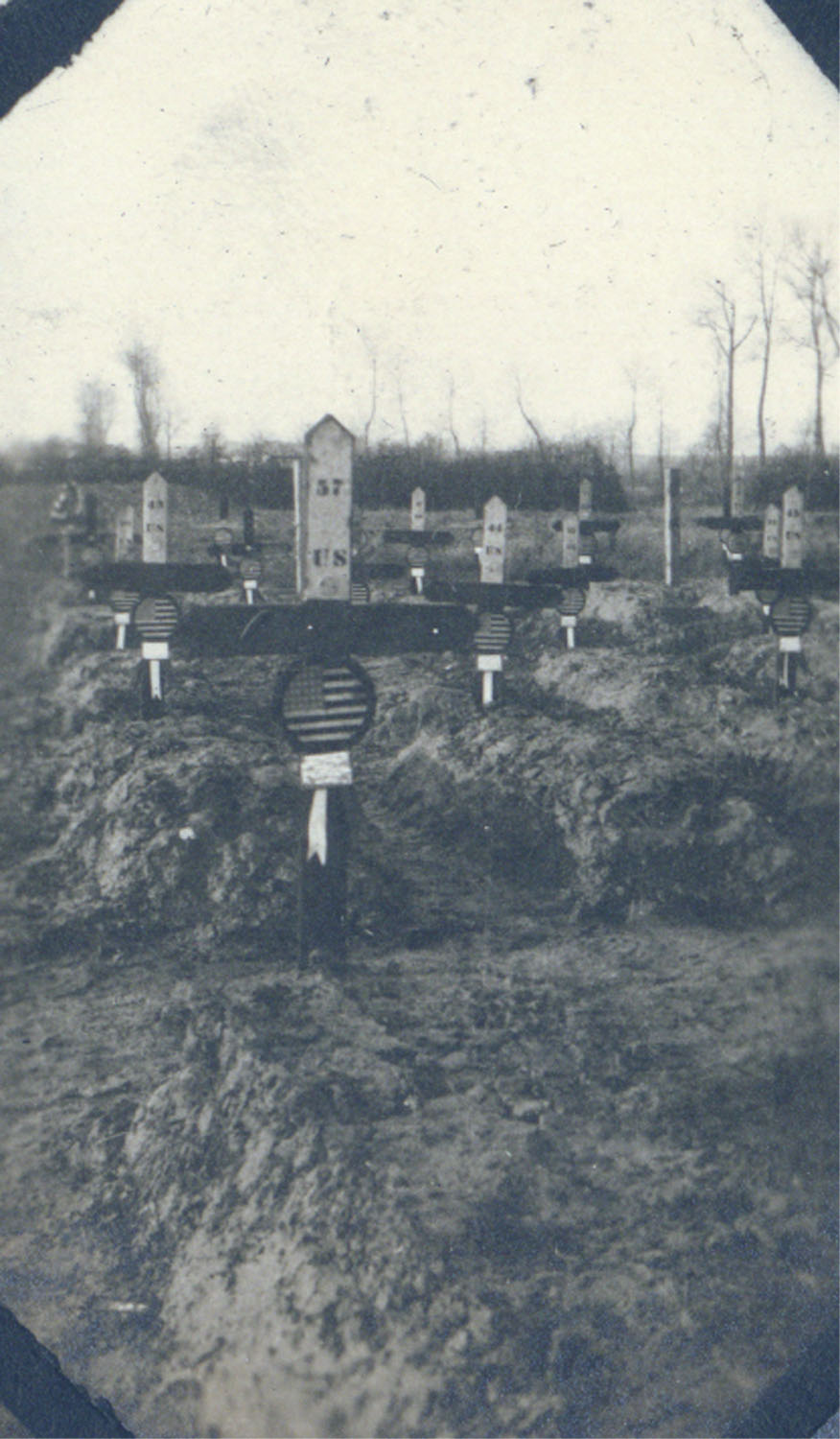 Following the end of World War I, there was a global epidemic, the Spanish Influenza of 1918. Since nurses were overworked, underfed, and constantly exposed to sick troops, they were the most at risk for Spanish Influenza. For nurses at evacuation hospitals, shortages of clothes and constant rain made the risk even higher for nurses. Typhus, diphtheria, pneumonia, and bronchitis were also put nurses at very high health risks, and claimed many of their lives after the war was over.