
































Remembering the Great War in Kansas City
October 5, 2018
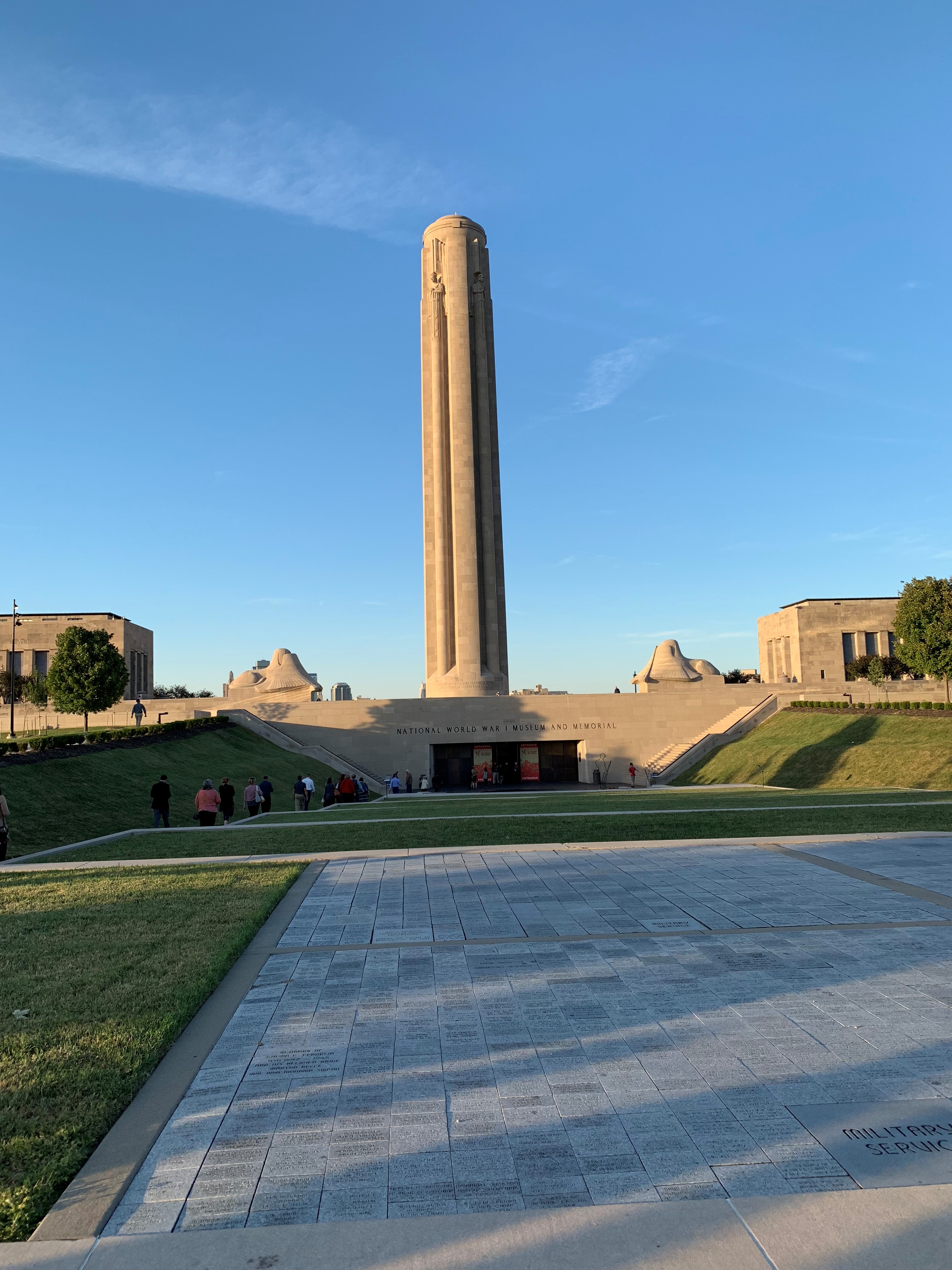
Last week, several members of the Alabama Department of Archives and History staff visited Kansas City to participate in the annual meeting of the American Association for State and Local History. While there, they visited the National World War I Museum and Memorial. When it opened in 1926, President Calvin Coolidge said that it had “not been raised to commemorate war and victory, but rather the results of war and victory which are embodied in peace and liberty….” In 2004, after Congress designated it as America’s official museum of the Great War, the museum and grounds underwent an extensive renovation, including the addition of an 80,000-sqaure foot building which houses the museum’s permanent exhibits.
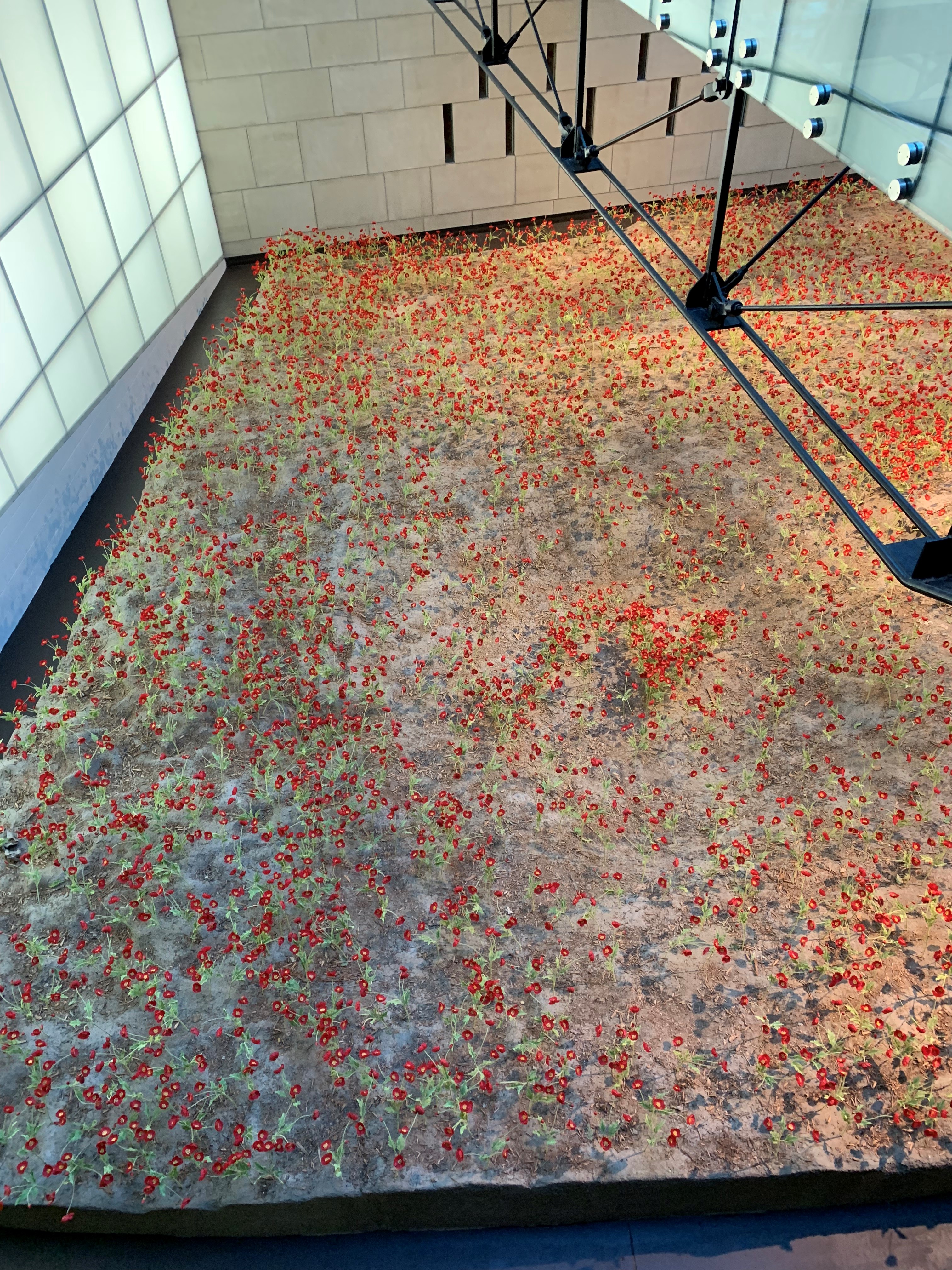
A field of than 9,000 poppies can be seen from a glass bridge at the entrance of the main exhibit. For the Archives’ staff, the stunning site brought to mind John McCrae’s poem, “In Flanders Fields:”
In Flanders fields the poppies blow
Between the crosses, row on row,
That mark our place; and in the sky
The larks, still bravely singing, fly
Scarce heard amid the guns below.
We are the Dead. Short days ago
We lived, felt dawn, saw sunset glow,
Loved and were loved, and now we lie,
In Flanders fields.
Take up our quarrel with the foe:
To you from failing hands we throw
The torch; be yours to hold it high.
If ye break faith with us who die
We shall not sleep, though poppies grow
In Flanders fields.