






















Delivery of Medical Care off of the battlefield
Camp Hospitals
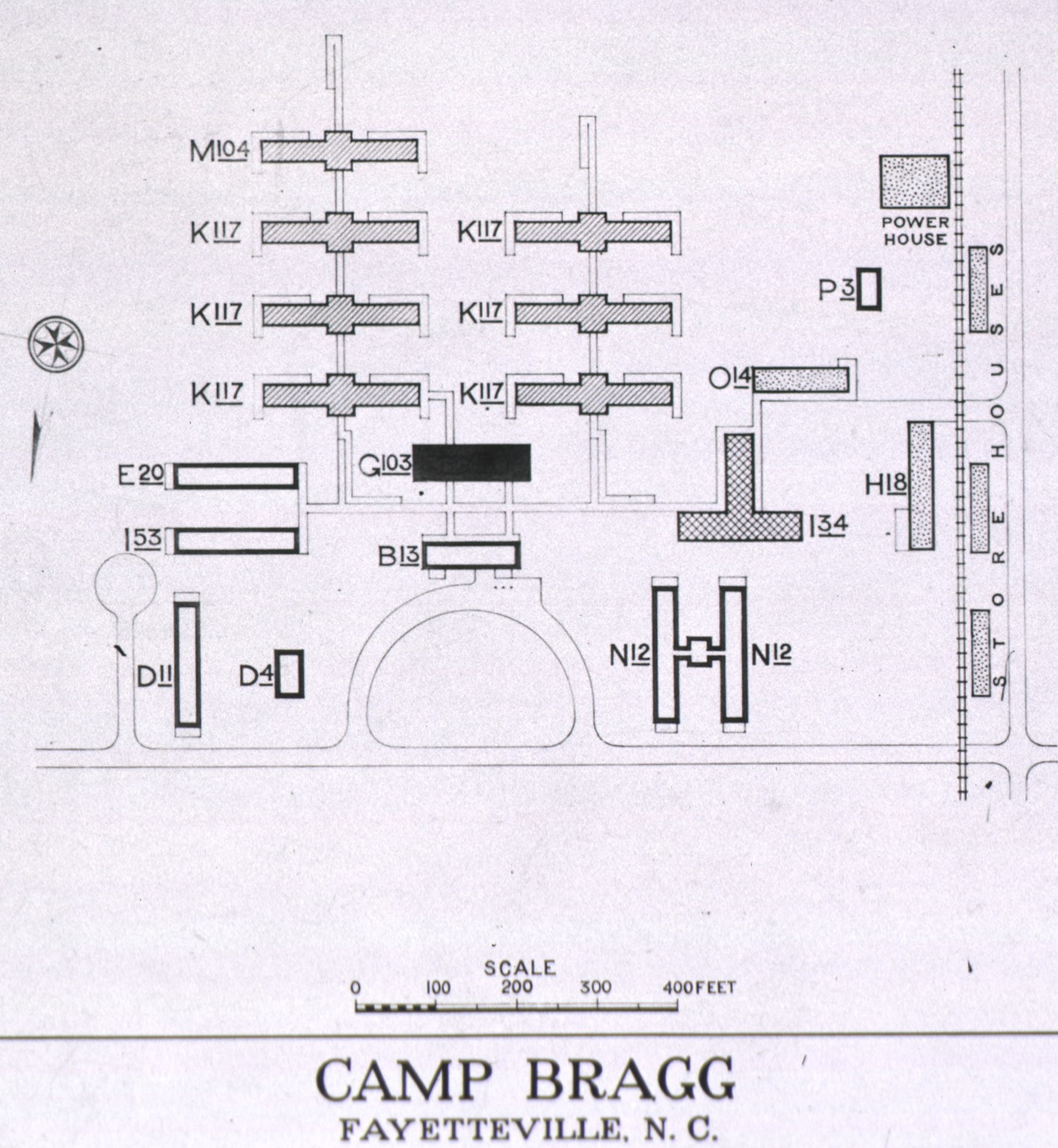 Camp hospitals were found all over the US, wherever a training camp was located. Many of these hospitals were fairly basic, but all had to care for training injuries as well as diseases. When the influenza epidemic struck, both the first wave in early 1918 and the second, lethal, wave in fall, 1918, the training camp hospitals were inundated with sick soldiers.
Just as a camp in the US had a hospital for the sick and injured, camps overseas would need the same thing. However, there had never been overseas camps before, so camp hospitals had to be improvised. The function was quickly described, and plans were drawn up for standardized facilities so that no commander could waste construction materials on an over-fancy facility. Each camp hospital would be 10 wards, totaling 300 beds, around clinical and storage buildings and with space for tents if there were more patients. Where a camp had a much larger population, a larger camp hospital was built. But no personnel were allotted. At first the units at the camp was supposed to provide the hospital staff, but that broke down when units moved around. Further, installations like the debarkation ports needed a hospital but had no units stationed there. The first response was to pull personnel out of the base hospitals, and eventually enough medical replacement units (‘casuals’) arrived for those personnel to be assigned. A camp hospital might have 10 physicians, 10 nurses, and 25 enlisted men, with extra support either from convalescents or men borrowed for a few days from their units..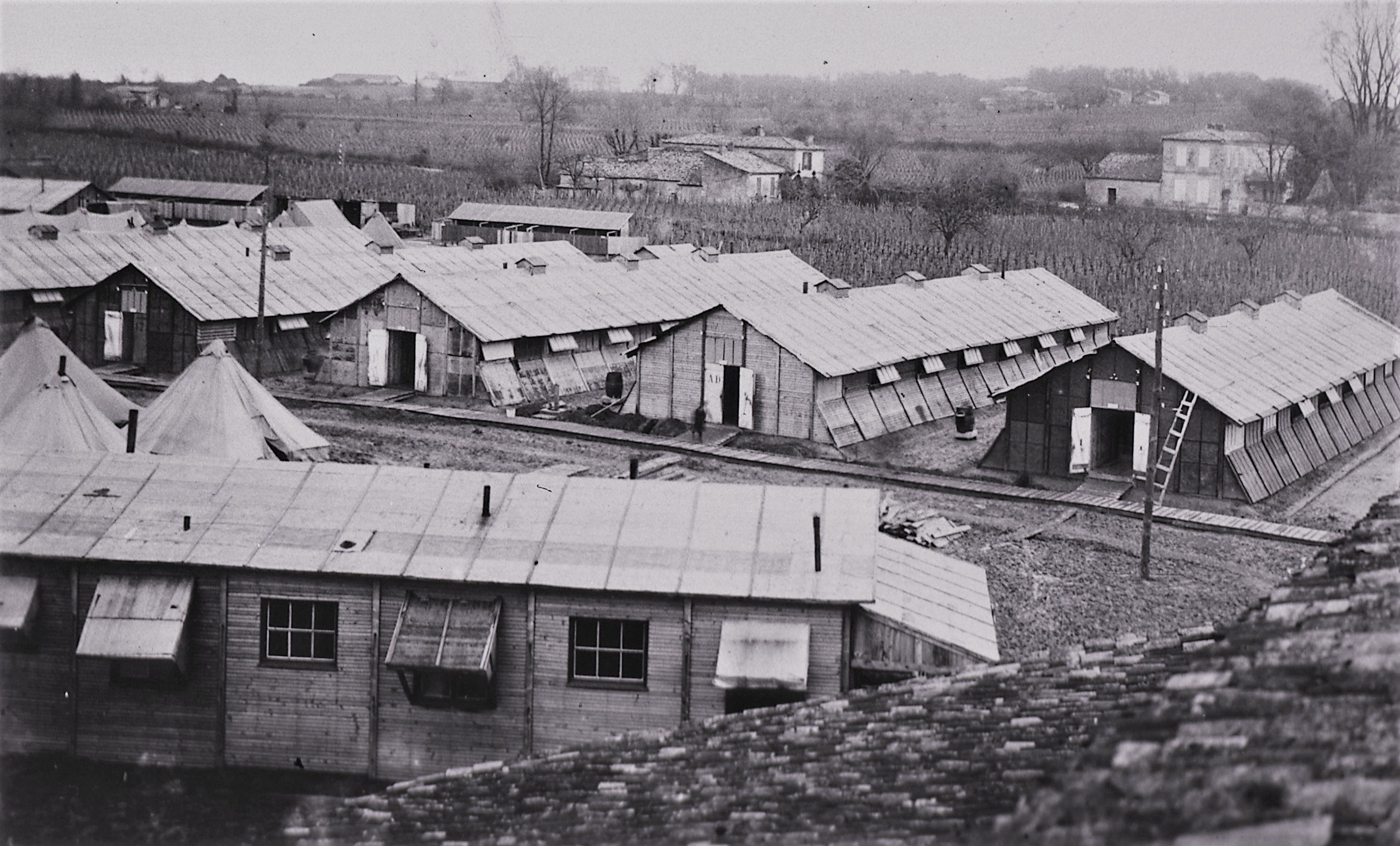 Camp Hospital 2, Bordeaux
Camp hospitals were not tasked to keep seriously sick or injured soldiers, rather to make initial diagnosis and treatment, and care only for those who could return to duty in a few days. However, they did provide good care, within their limits. They had laboratories, X-rays, and operating rooms, dental clinics, and de-lousing facilities. Camp hospitals helped train medical personnel from the infantry divisions, and their staff also helped track down disease outbreaks.