|
|
|
|
|
|
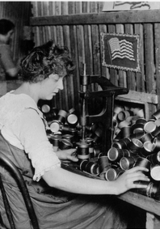
In April 1917, the America that was nearing the decision to enter the Great War was an utterly different place from the nation we know now. In a fascinating article, reporter Jim Garamone of DoD News looks back at where our nation and its people stood weeks away from the Declaration on War on April 6, 2017. To say the nation wasn't ready for war is very much an understatement, but the United States was a country of tremendous potential, and so was its military. As Garamone writes: "It would take time for American military power to grow, learn and mature, but it would be decisive in The Great War." Read this in-depth review of the situation in America and the world when we made the decision to go to war on April 6, 1917.
|
National Archives launches the new Remembering WWI app to access moving and still images from 100 years ago
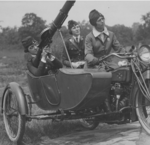
In preparation for the 100-year anniversary of the United States entering WWI in April, 2017, the US National Archives recently launched Remembering WWI, an iPad and Android application that invites audiences to explore, collaborate, and engage with the Archives’ extensive collection of World War I moving and still images. The app is now available for free in the iTunes and Google Play stores. The app provides an unprecedented collection of WWI content digitized and preserved as part of the larger Wartime Films Project, much of it never-before-seen by the public. This includes photographs and films originally shot by the US Signal Corps on behalf of various armed forces units during the 1914–1920 timeframe. Using the archival content within the app, you can create your own collections and build and share new narratives around the people, events, and themes you’re exploring. Read more about the app here.
|
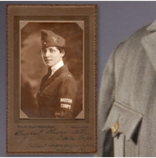
On the day of that the United States marks the centennial of the nation's entry into the Great War, the Smithsonian National Museum of American History in Washington, DC will open four new exhibits on World War I. The new exhibits will look at Women in Uniform, Gen. John J. Pershing and World War I, Modern Medicine and the Great War, and Artistic Expression in the Great War (in the Smithsonian’s National Air and Space Museum). The ongoing exhibit on "Advertising War: Selling Americans on World War I" continues at the museum. Check out all, the exhibits here.
|
WW1 Centennial News is going to broadcast live from KCMO on April 5, 2017 at 12 noon EDT.
We are going to give you a behind the scenes, sneak peek at the people and the talents that have put this event together.
Join us live and you can ask our guests questions via the chatroom.
Subscribe to the video podcast on iTunes and get the show delivery automatically to your mobile device to enjoy at you convenience.
Episode #12 is posted now - Check it out online or subscribe.
|

This Week's post features Fulbright Scholar, writer, and WWI poetry expert, Connie Ruzich. Her blog, "Behind Their Lines," introduces readers to lesser-known poetry of the Great War, which she calls lost voices and faded poems. This week, she will present "Rain on your old tin hat," a narrative about Lt. John Hunter Wickersham, poet and WWI Congressional Medal of Honor Recipient."
If you have a news item regarding WWI and writing, please contact: jennifer.orth-veillon@worldwar1centennial.org.
|
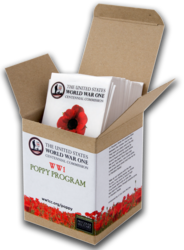
These WW1 Poppy Kits contain 60 Poppy seed packs each.
Raise money for your organization by getting $2 or more per seed pack.
The red poppy has become the internationally recognized symbol of remembrance for veteran sacrifice. It all began on a war-torn battlefield during World War One, when the crimson petals caught the eye of a soldier named John McCrae, inspiring the poem – “In Flanders Field”. The flower celebrates the service of more than 4.7 million Americans who served during WW1, and honors the 116,516 who died on the battlefields of Europe.
When assembled, WW1 Poppy Kits are 4 x 4 x 5" and feature McCrae's poem, as well as an area where you can brand the kit to your organization for fundraising, with a label you can print yourself.
Each poppy seed packet contains approximately 100mg of seeds.
Shipping for the kits is free with your support of the program
This and many other official commemorative products are available at the official merchandise shop.
|
 |
|
|
A Story of Service from the Stories of Service section of ww1cc.org
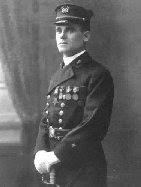
Submitted by: William "Bill" Seach (grandson)
William Seach served in World War 1 with the United States Navy. He was a recipient of the Medal of Honor for his service in China during the Boxer Rebellion, prior to World War I. When he died in 1978, he was the oldest. and longest-living, recipient of the Medal of Honor, and the last surviving US veteran of the Boxer Rebellion to receive the medal. His story was shared with us by his namesake grandson, Bill Seach:
During WW I, William Seach was Gunnery Officer on board Troop Transport U.S. Abraham Lincoln. The Lincoln was torpedoed/ sunk May 31, 1918 by the German submarine U-90. Lt Seach was wounded, but taken on board and briefly made a prisoner aboard the U-90. The German U-Boat crew had no idea they had captured a Medal of Honor recipient.
In 1898, as an Ordinary Seaman, Seach was in to China during the Boxer Rebellion. As part of the relief expedition of the Allied forces, Seach distinguished himself by meritorious conduct in a number of incidents, and was awarded the Medal of Honor.
After the torpedoing in 1918, Seach was held on the submarine with another USS Florida shipmate, Lt Edouard Izac, who would himself be awarded the Medal of Honor for his actions in escaping his German wartime captors.
|
|
|
|
|






























 Signature Events Major Moments
 Video Streaming video resources
 Publications Dispatch, Sync-Call and more