


































Below are links to the various World War One online resources at the Library of Congress that may be of help to researchers.
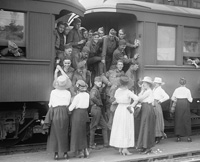 |
World War I in Pictures: the Prints & Photographs Division Collections The Library of Congress Prints & Photograph Division (P&P) has more than 76,000 pictures relating to World War I, in a wide array of formats, including photographic prints and negatives, cartoons, ephemera, posters and drawings.
|
|
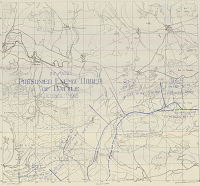 |
Maps of the First World War: Geography & Map DivisionThis essay and cartobibliography highlights the Library’s most significant special collections, atlases, and maps pertaining to the Great War, as World War I was known in its day. The largest number of maps come from American sources or foreign-made maps used by the American military or diplomatic corps. |
|
 |
Digital Collections: World War One MaterialsThe digital collections of the Library of Congress contain a wide variety of material related to World War I, including photographs, documents, newspapers, films, sheet music, and sound recordings. |
|
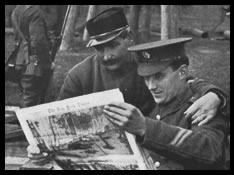 |
World War One newspaper pictorialsThe images in this collection track American sentiment about the war in Europe, week by week, before and after the United States became involved. The collection includes an illustrated history of World War I selected from newspaper rotogravure sections that graphically documents the people, places, and events important to the war. |
|
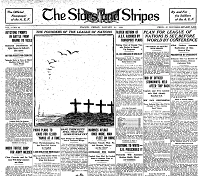 |
The Stars & StripesFrom February 8, 1918, to June 13, 1919, by order of General John J. Pershing, the United States Army published a newspaper for its forces in France, The Stars and Stripes. When it began publication, American forces were dispersed throughout the Western Front, often mixed at the unit level with British, French, and Italian forces. The newspaper's mission was to provide these scattered troops with a sense of unity and an understanding of their part in the overall war effort. This online collection includes the complete seventy-one-week run of the newspaper's World War One edition. |
|
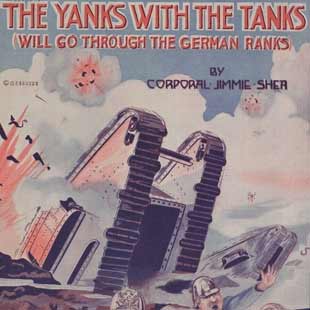 |
World War One sheet musicAmerica's entry into World War One came at a time when popular songwriting and the music publishing industry, centered in New York's Tin Pan Alley, was at its height and a new musical form known as "jazz" was emerging. The over 14,000-piece sheet music collection represents the intersection of this rich output of popular song and the consciousness of a nation at war that was itself emerging, as a major world power. |
|
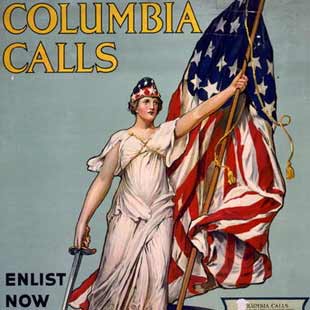 |
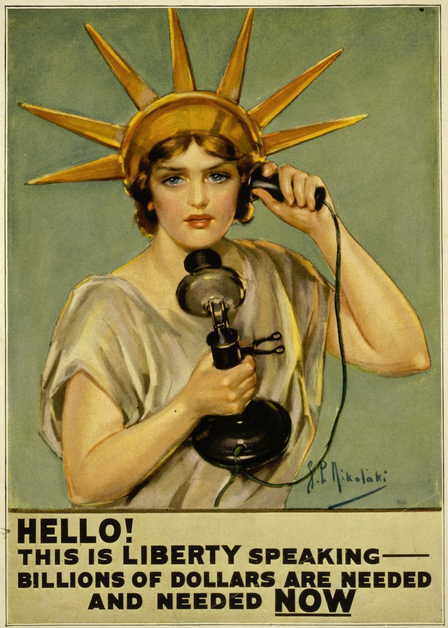
World War One PostersDuring World War One, the impact of the poster as a means of communication was greater than at any other time during history. The ability of posters to inspire, inform, and persuade combined with vibrant design trends in many of the participating countries to produce thousands of interesting visual works. As a valuable historical research resource, the posters provide multiple points of view for understanding this global conflict. As artistic works, the posters range in style from graphically vibrant works by well-known designers to anonymous broadsides (predominantly text). Available online are approximately 1,900 posters created between 1914 and 1920. |
|
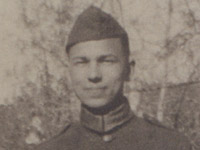 |
Veterans History ProjectThe Veterans History Project of the American Folklife Center collects, preserves, and makes accessible the personal accounts of American war veterans so that future generations may hear directly from veterans and better understand the realities of war.The Project collected first-hand accounts of U.S. Veterans from the First World War, 1914-1918. In addition, those U.S. citizen civilians who were actively involved in supporting the war effort (such as war industry workers, flight instructors, medical volunteers, etc.) were also invited to share their valuable stories. |