|
|
|
|
|
|
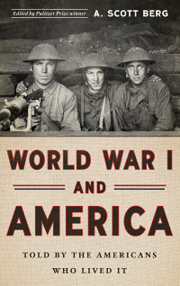
World War One anthology calls attention to remarkable writing from unexpected places

The Library of America, a nonprofit organization that publishes, preserves, and celebrates America’s greatest writing, is publishing an anthology of American literature and letters from World War One, compiled by Pulitzer Prize-winning editor A. Scott Berg. The overall project is two-fold, and also includes a Public Programs component, that will bring veterans and their families together with the general public in 120 public libraries across to country to explore the continuing relevance of World War One by reading, discussing, and sharing insights into the writings of the men and women who experienced it firsthand. Scott Berg shares his insights with us on this new volume, and on World War One's impact on our culture.
|
Filmmakers telling story of America's
World War One aviation pioneers
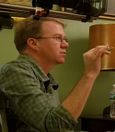
Among the World War One community are a rare handful of experts on early aviation. Paul Glenshaw and Mark Wilkins are two such people. Paul is a filmmaker and writer, Mark is a historical consultant and master model builder. They both worked together recently on a pair of remarkable film projects, celebrating the earliest American aviators in the war. These film projects are 1915's 'The Millionaires’ Unit' and 'The Lafayette Escadrille' still in production. Paul and Mark took some time to talk to us about their projects, and about their passion for World War One aviation.
|

In Episode 6, Professor Mark Micale looks at a WW1 issue that is as current as today's headlines with "Shell Shock: Core Insights of the Recent Historiography". Micale is Professor of History at the University of Illinois at Urbana-Champaign. He received his PhD from Yale University, and currently specializes in European intellectual history, the history of medicine (especially psychiatry), gender and masculinity studies, and modern France.See his 50 minute presentation on the website where we are publishing the six-episode series from the symposium.His presentation is preceded by a poetry reading of Wilfred Owen's "Dulce et Decorum Est."
|
|
|
|
|
|
|
|




























 Signature Events Major Moments
 Video Streaming video resources
 Publications Dispatch, Sync-Call and more